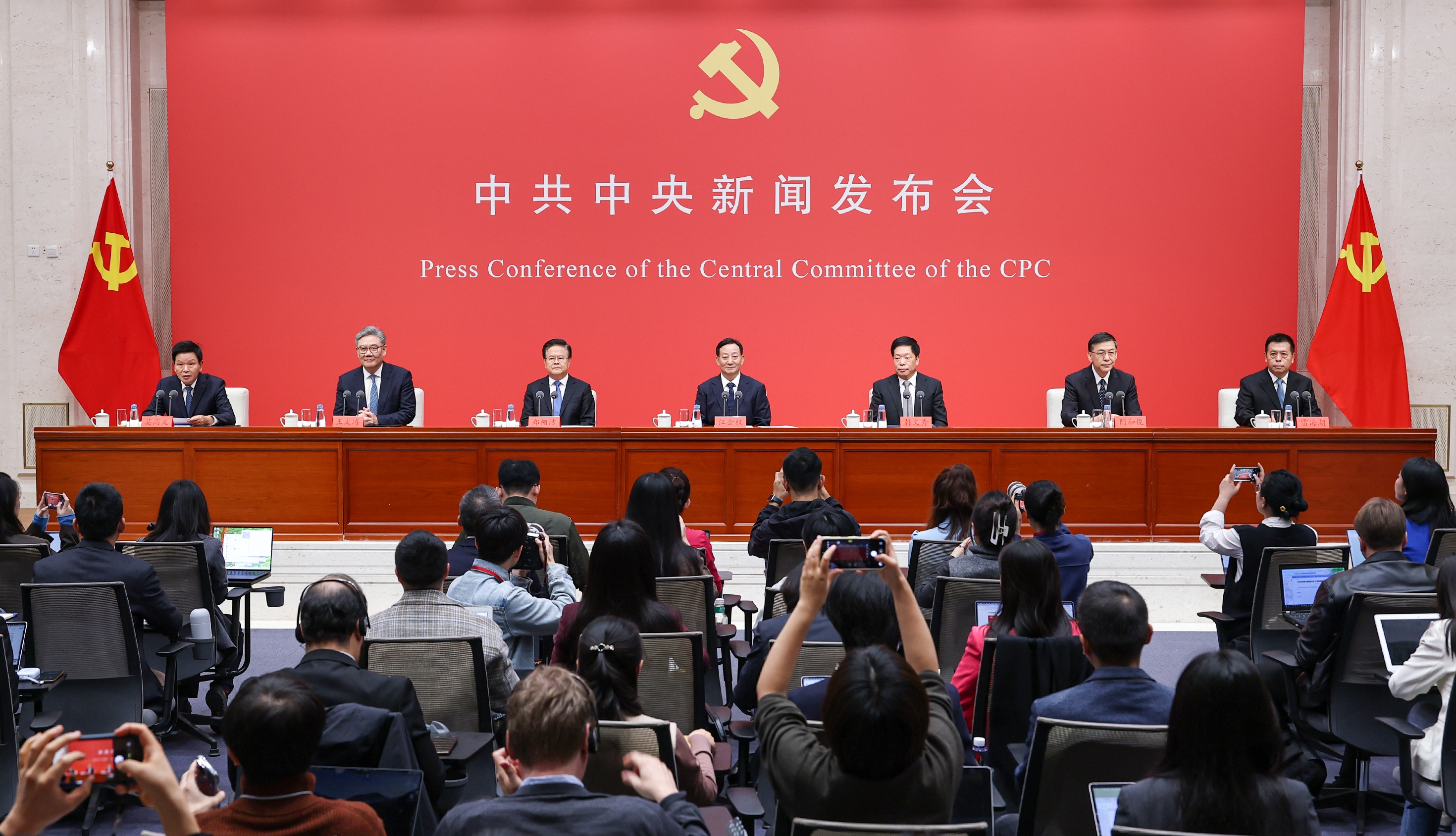

Beijing | 10 a.m. Oct. 24, 2025
Speakers
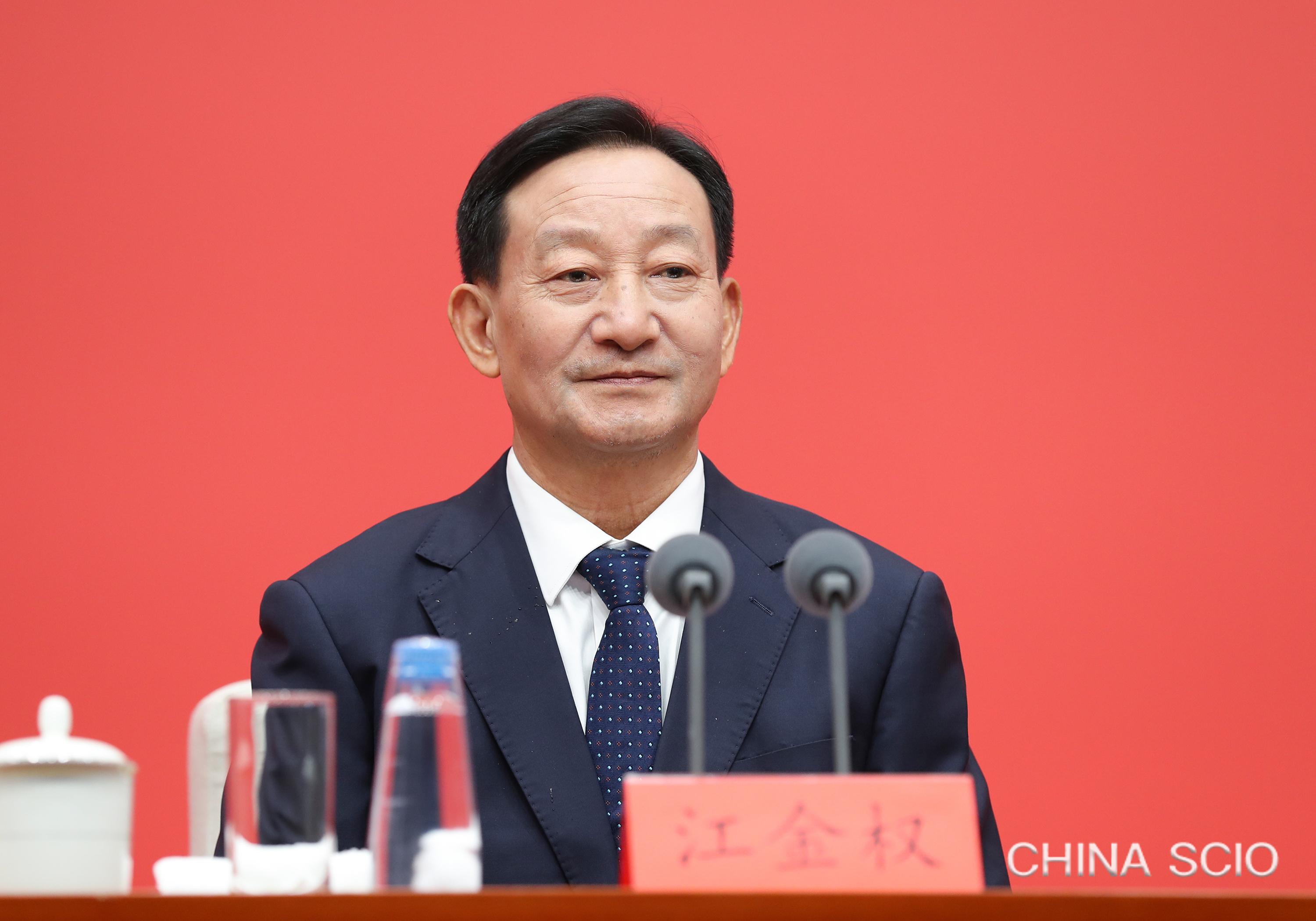
Jiang Jinquan, director of the Policy Research Office of the CPC Central Committee
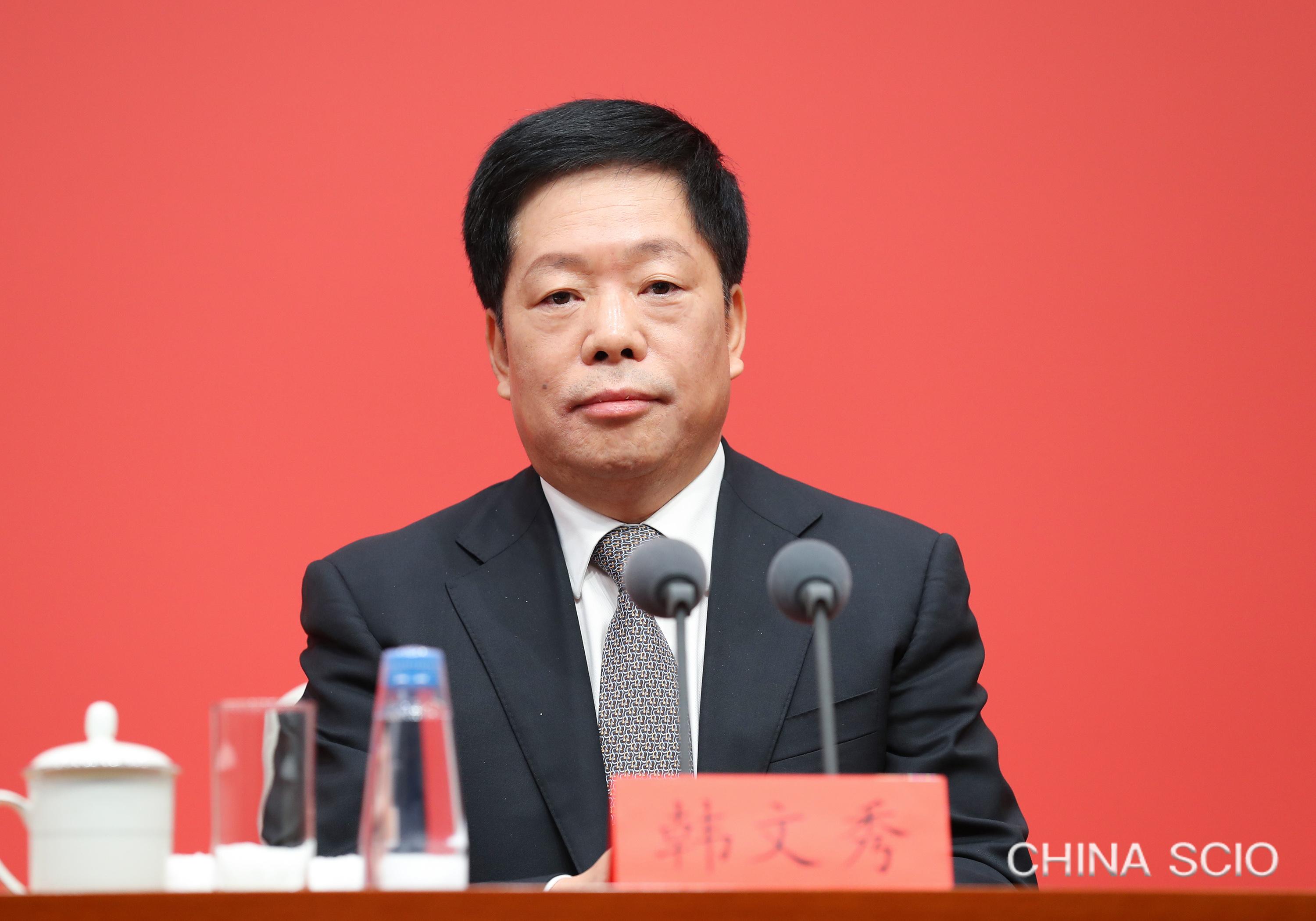
Han Wenxiu, deputy director in charge of routine work of the Office of the Central Commission for Financial and Economic Affairs and director of the Office of the Central Rural Work Leading Group
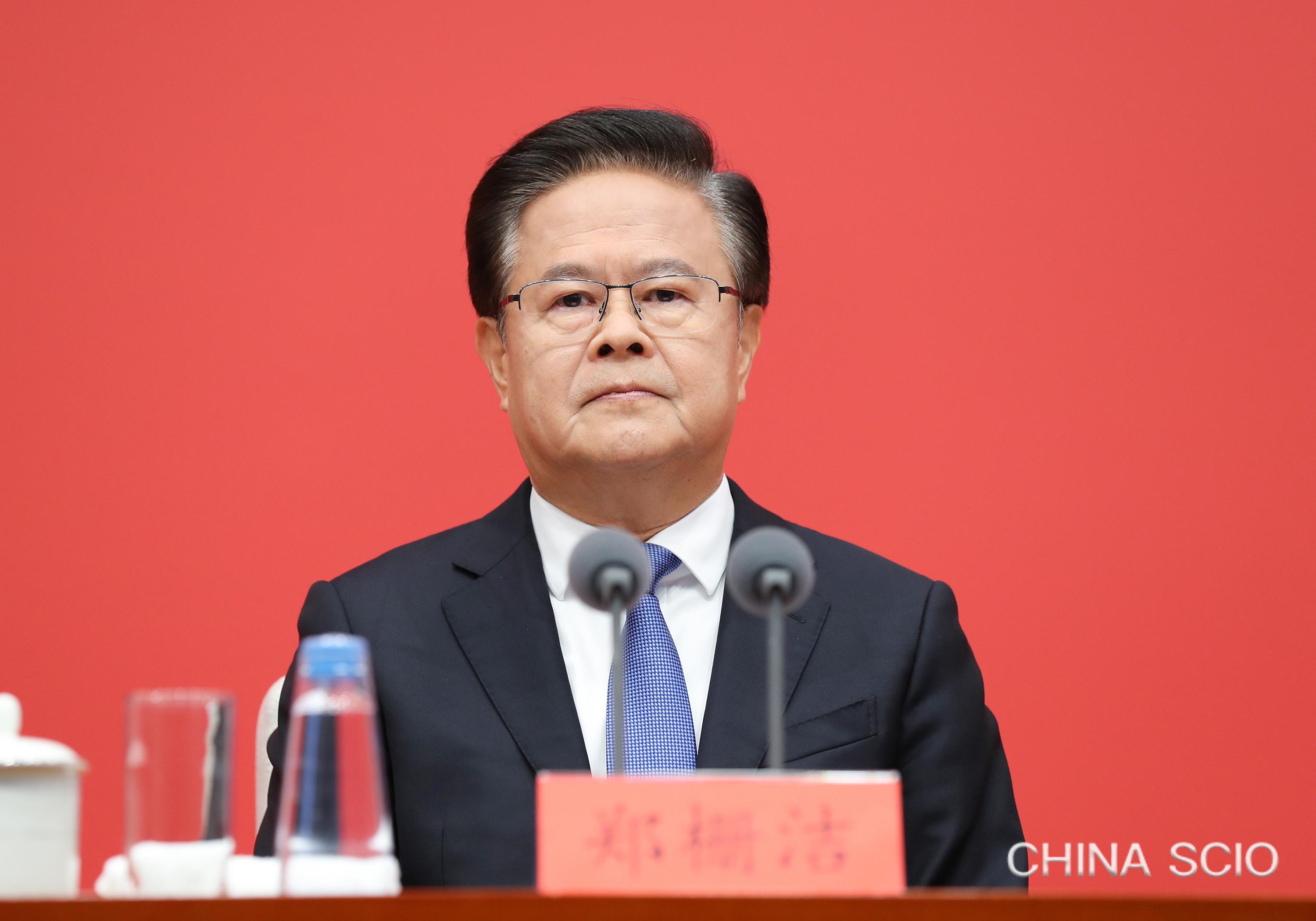
Zheng Shanjie, secretary of the leading Party members group of the National Development and Reform Commission (NDRC) and chairman of the NDRC
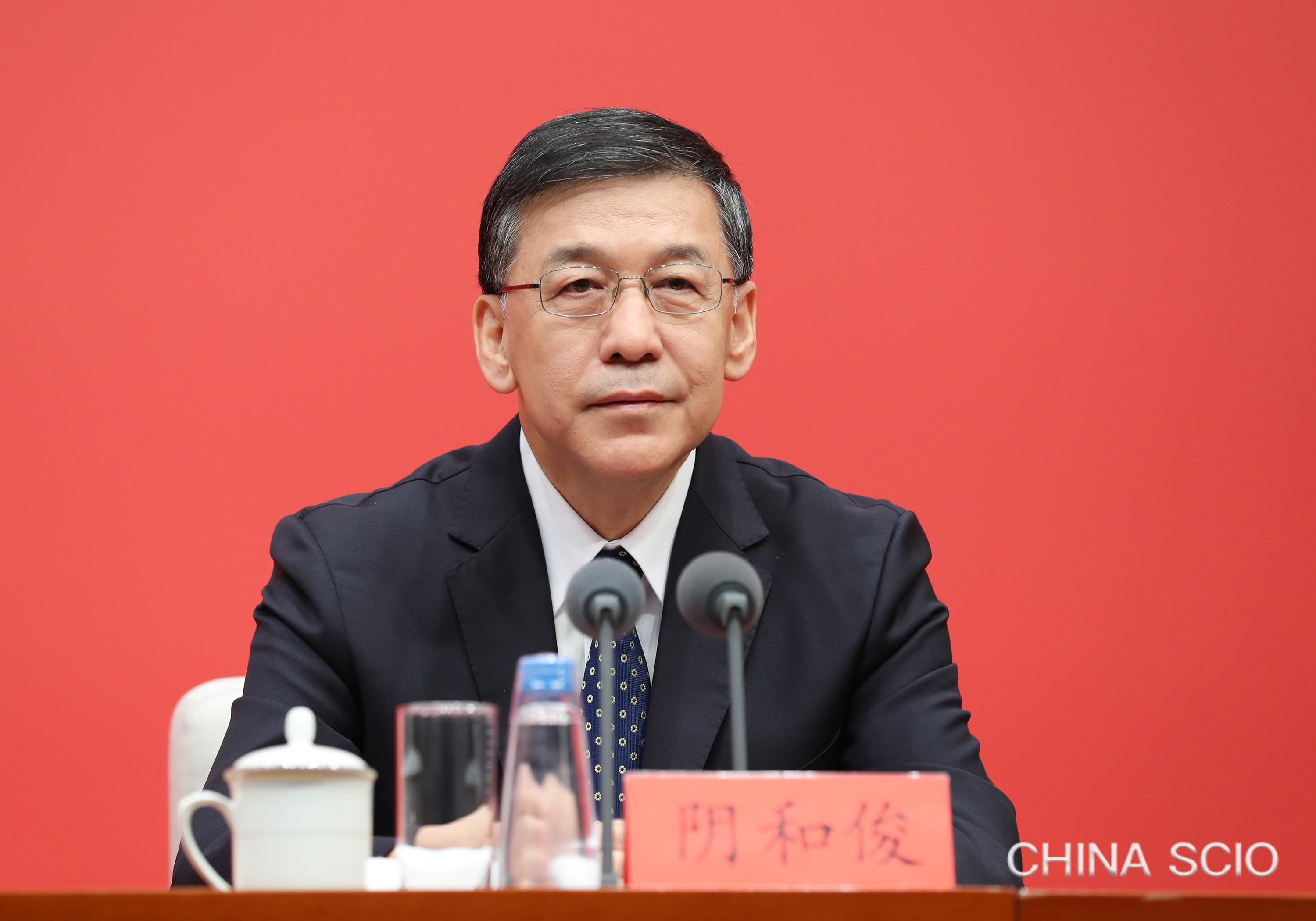
Yin Hejun, secretary of the leading Party members group of the Ministry of Science and Technology and minister of science and technology
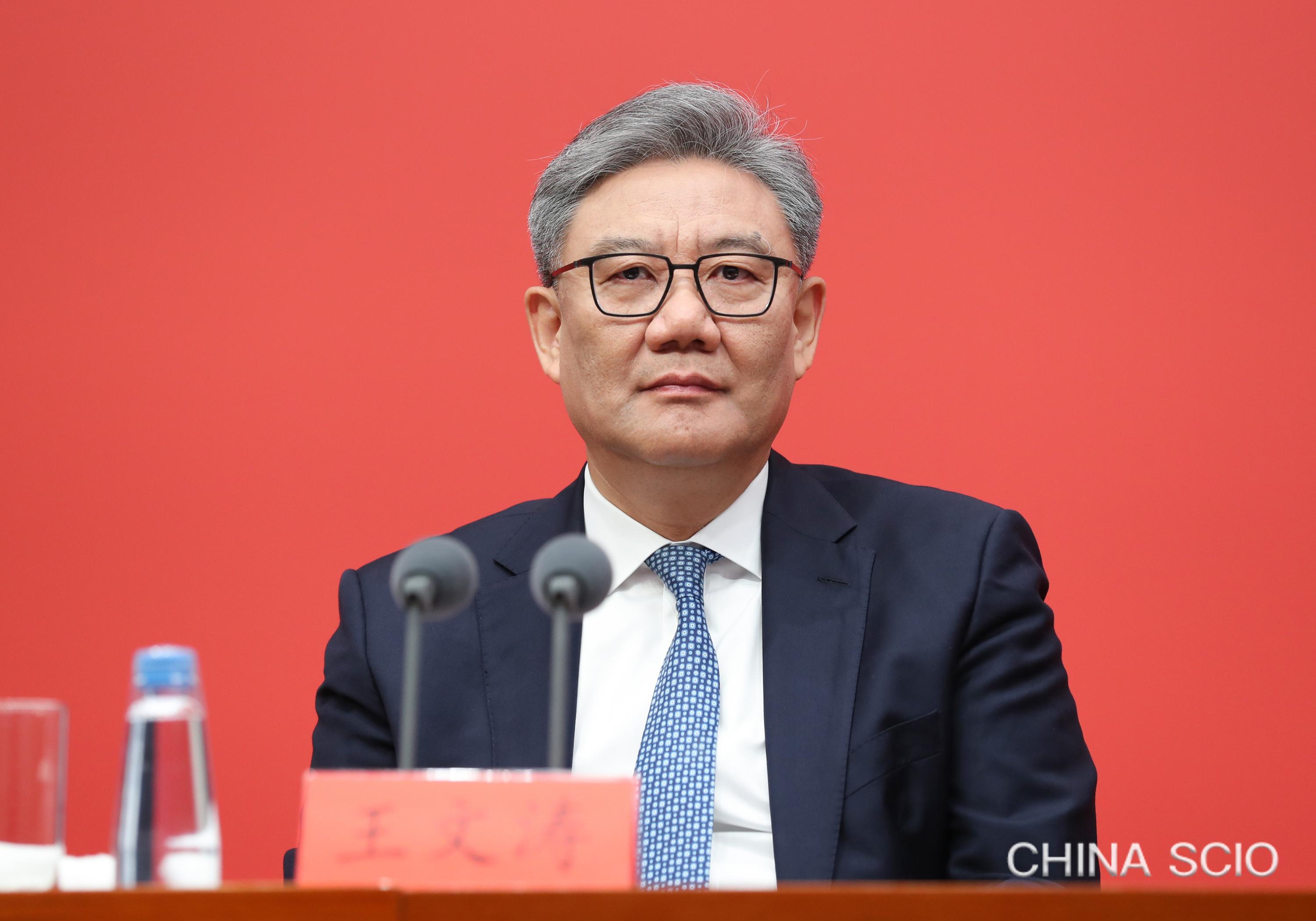
Wang Wentao, secretary of the leading Party members group of the Ministry of Commerce and minister of commerce
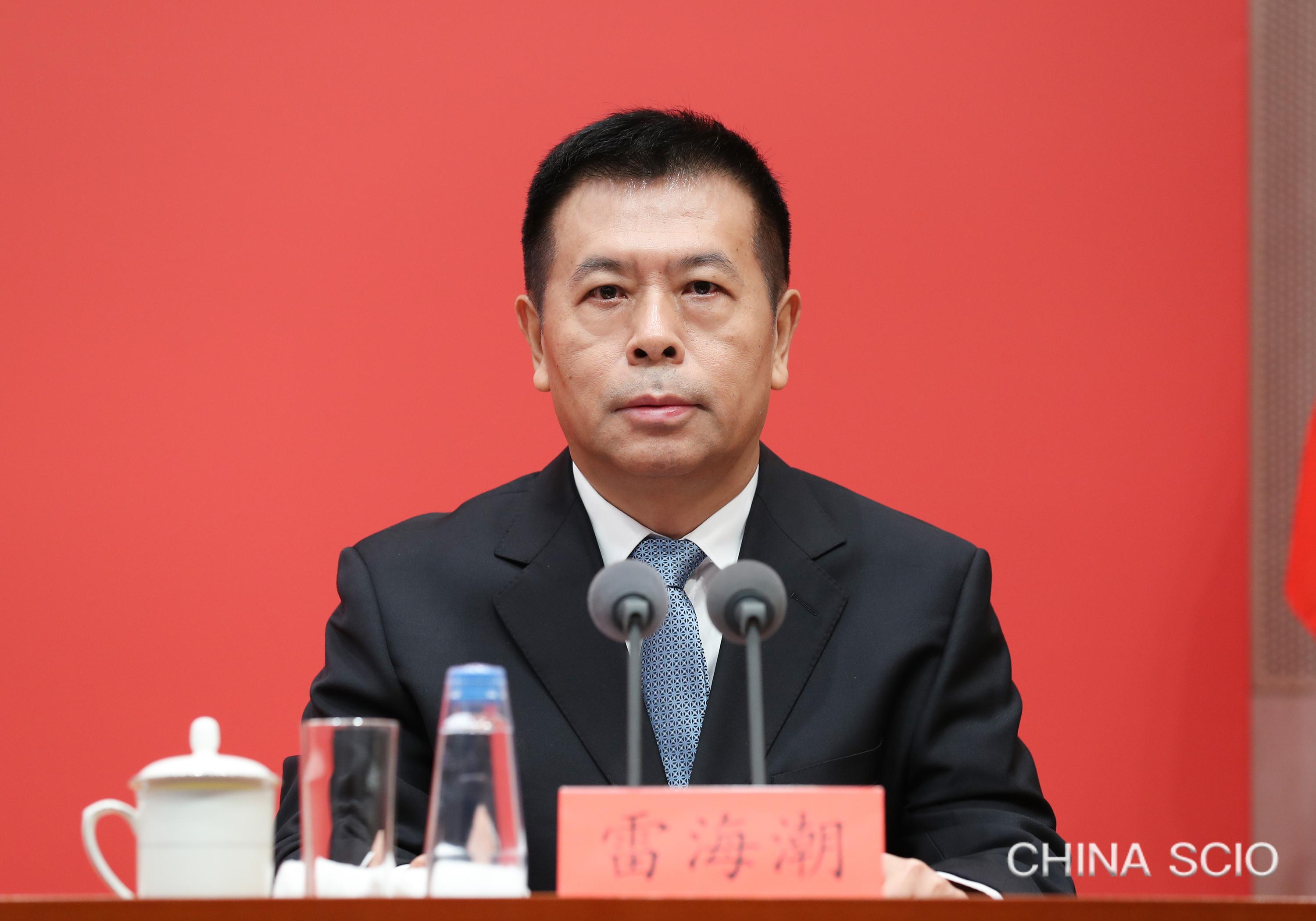
Lei Haichao, secretary of the leading Party members group of the National Health Commission (NHC) and minister of the NHC
Chairperson
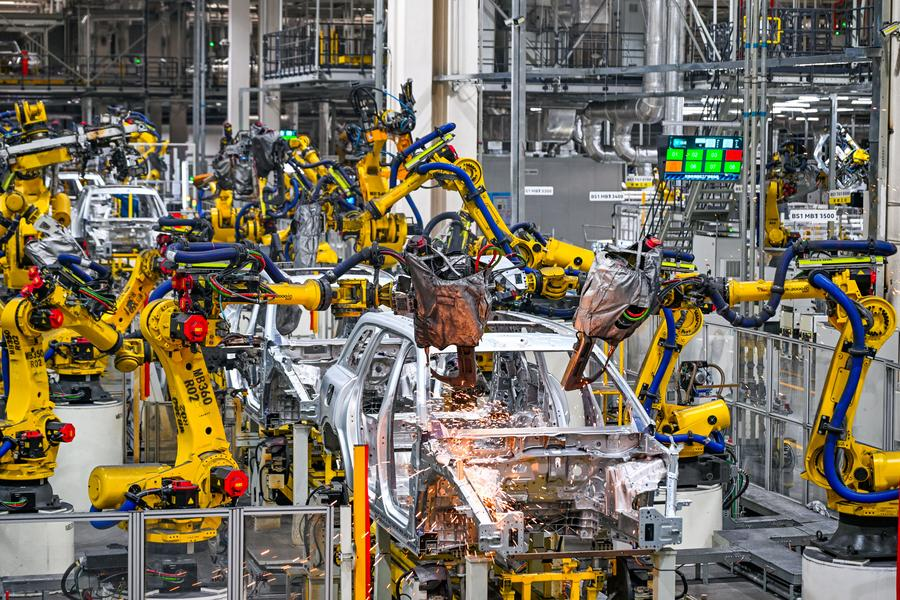
- Chinese sci-tech minister outlines innovation plans for 2026-2030 period
- Commerce minister: China seeks to open doors wider in 2026-2030
- China aims to raise average life expectancy to around 80 years in 5 years
- Official: CPC Central Committee's recommendations outline major development objectives for 2026-2030 period
Speakers:
Mr. Jiang Jinquan, director of the Policy Research Office of the CPC Central Committee
Mr. Han Wenxiu, deputy director in charge of routine work of the Office of the Central Commission for Financial and Economic Affairs and director of the Office of the Central Rural Work Leading Group
Mr. Zheng Shanjie, secretary of the leading Party members group of the National Development and Reform Commission (NDRC) and chairman of the NDRC
Mr. Yin Hejun, secretary of the leading Party members group of the Ministry of Science and Technology (MOST) and minister of science and technology
Mr. Wang Wentao, secretary of the leading Party members group of the Ministry of Commerce and minister of commerce
Mr. Lei Haichao, secretary of the leading Party members group of the National Health Commission (NHC) and minister of the NHC
Chairperson:
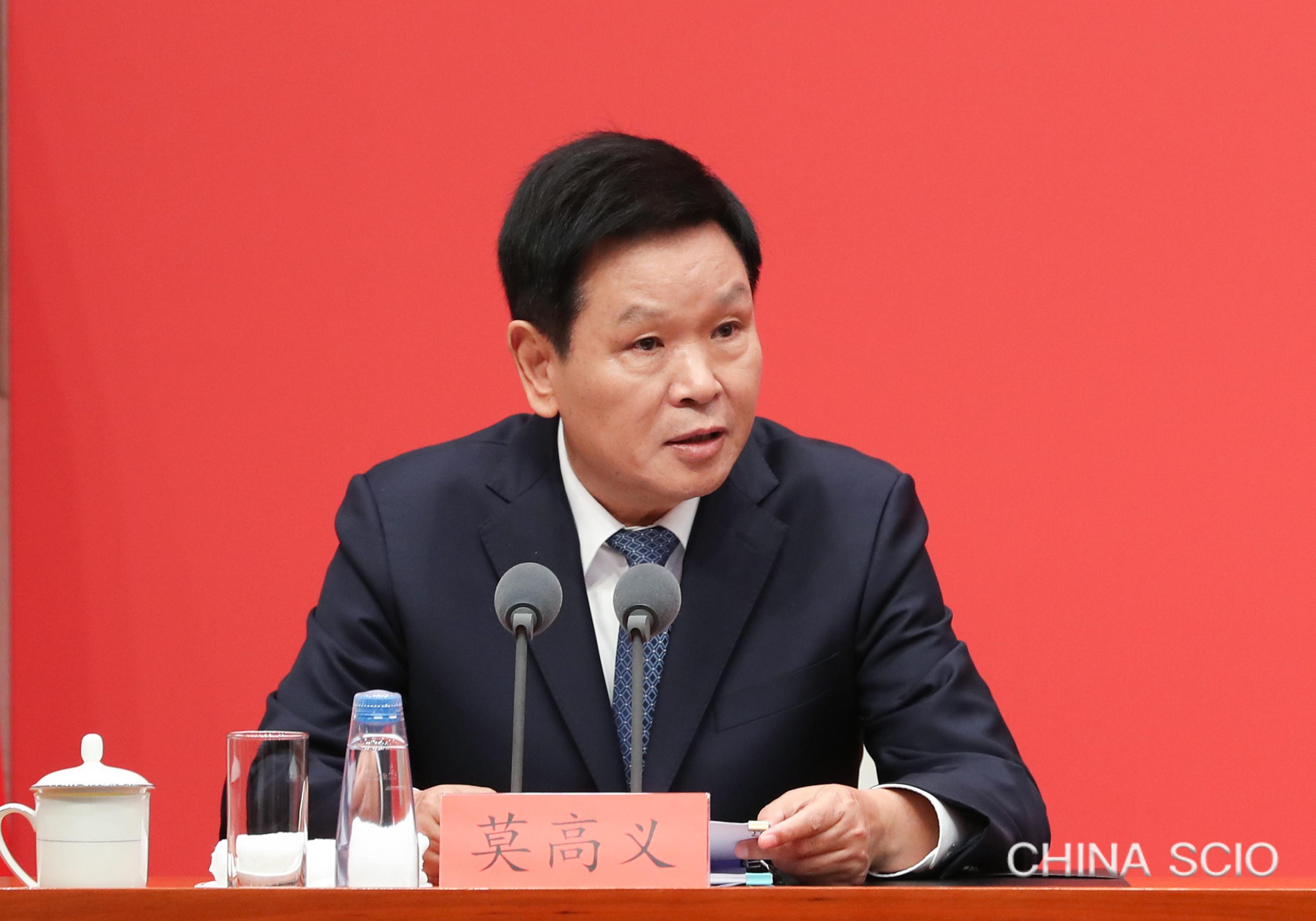
Mr. Mo Gaoyi, deputy director of the Publicity Department of the CPC Central Committee and minister of the State Council Information Office (SCIO)
Date:
Oct. 24, 2025
Mo Gaoyi:
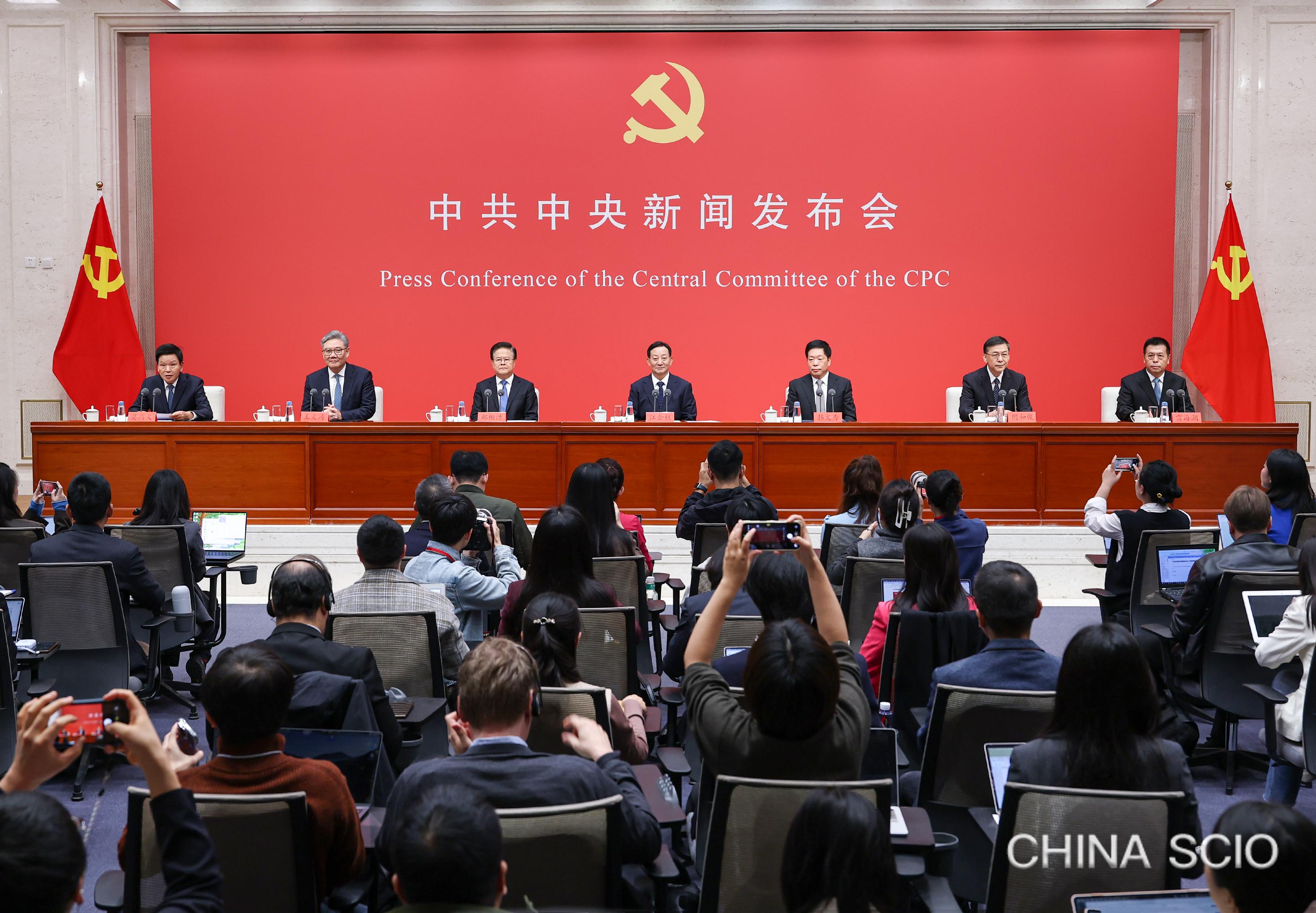
Ladies and gentlemen, comrades, friends from the media, good morning. Welcome to this press conference held by the Central Committee of the Communist Party of China (CPC).
From Oct. 20-23, the fourth plenary session of the 20th CPC Central Committee was held in Beijing. This plenary session was an important meeting held at a critical time when China is on the verge of accomplishing the major objectives and tasks of the 14th Five-Year Plan, and is entering a key period of reinforcing the foundations and pushing ahead on all fronts toward basically achieving socialist modernization. The session deliberated over and adopted the Recommendations of the Central Committee of the Communist Party of China for Formulating the 15th Five-Year Plan for Economic and Social Development, and successfully completed all items on its agenda. Today, we have invited leading officials from relevant departments to brief you on and interpret the session's guiding principles, and to answer your questions.
Present at today's press conference are:
Mr. Jiang Jinquan, director of the Policy Research Office of the CPC Central Committee;
Mr. Han Wenxiu, deputy director in charge of routine work of the Office of the Central Commission for Financial and Economic Affairs and director of the Office of the Central Rural Work Leading Group;
Mr. Zheng Shanjie, secretary of the leading Party members group of the National Development and Reform Commission (NDRC) and chairman of the NDRC;
Mr. Yin Hejun, secretary of the leading Party members group of the Ministry of Science and Technology (MOST) and minister of science and technology;
Mr. Wang Wentao, secretary of the leading Party members group of the Ministry of Commerce and minister of commerce;
and Mr. Lei Haichao, secretary of the leading Party members group of the National Health Commission (NHC) and minister of the NHC.
Now, I'll give the floor to Mr. Jiang Jinquan, who will brief you on the session and the drafting work of related documents.
Jiang Jinquan:
Hello, friends from the media. It's my pleasure to brief you on the fourth plenary session of the 20th CPC Central Committee.
As you know, the session was held in Beijing from Oct. 20-23. The Political Bureau of the CPC Central Committee presided over the meeting, and General Secretary Xi Jinping delivered important addresses. Members and alternate members of the Central Committee attended the session. Members of the Standing Committee of the Central Commission for Discipline Inspection and leading officials from other relevant departments were present at the meeting in a non-voting capacity. Some of our primary-level colleagues and a number of experts and scholars who served as delegates to the 20th CPC National Congress also attended the meeting in a non-voting capacity. The session's participants listened to and discussed a report on the work of the Political Bureau, presented on its behalf by General Secretary Xi Jinping. They also deliberated over and adopted the Recommendations of the Central Committee of the Communist Party of China for Formulating the 15th Five-Year Plan for Economic and Social Development. All the items on the session's agenda were successfully completed.
At the session, the Central Committee fully affirmed the work of the Political Bureau since the third plenary session of the 20th Central Committee. It was unanimously agreed that, in the face of a complicated international landscape and the challenging domestic tasks of advancing reform, promoting development and ensuring stability, the Political Bureau has earnestly implemented the guiding principles of the 20th CPC National Congress and the plenary sessions of the 20th Central Committee. While focusing on four major tasks, it has coordinated the advancement of various undertakings of the Party and the country, and promoted sustained economic recovery. The major objectives and tasks of the 14th Five-Year Plan are about to be accomplished, and new, solid progress has been achieved in advancing Chinese modernization.
The most important outcome of the plenary session was the deliberation and adoption of the recommendations. The scientific formulation and consistent implementation of five-year plans have been an important experience of the CPC in governing the country and a key political strength of socialism with Chinese characteristics. Many foreign political parties admire us for this. The 20th CPC National Congress set the target of basically achieving socialist modernization by 2035, and the 15th Five-Year Plan period will be a critical stage for consolidating the foundations and making comprehensive efforts toward this goal. Formulating the recommendations for the 15th Five-Year Plan and systematically planning the economic and social development during this period is essential for realizing the grand blueprint drawn by the 20th CPC National Congress, and for advancing Chinese modernization in stages and steps. It is also critical to effectively responding to the new and complex changes in the external environment and gaining strategic initiative in intense international competition. Additionally, it is necessary for meeting China's evolving development needs and deepening high-quality development. Overall, it holds great significance.
The recommendations were drafted under the leadership of the CPC Central Committee. Leading the drafting team, General Secretary Xi Jinping set the overall vision and provided guidance throughout the process, playing a decisive role. The drafting team earnestly implemented General Secretary Xi Jinping's important instructions, upheld the correct direction, stood firmly with the people, focused on grasping the overriding trends and strengthened strategic planning - with particular emphasis on promoting democracy, pooling wisdom and building consensus. Two major rounds of opinion solicitation were conducted. The first round began on Jan. 22 this year, when the CPC Central Committee issued a notice to solicit opinions from various localities and departments on the 15th Five-Year Plan recommendations. In May, General Secretary Xi Jinping gave important instructions on the formulation of the 15th Five-Year Plan, emphasizing the importance of upholding scientific, democratic and law-based decision-making, as well as the need to listen to the views and suggestions of the people and all sectors of society through various means, and fully draw on the fresh experiences gained by officials and the public in practice. General Secretary Xi Jinping led by example. He personally presided over two symposiums to solicit views from leading officials of seven provinces, autonomous regions and municipalities, as well as non-CPC personages. He also entrusted Premier Li Qiang with chairing three symposiums to listen to the opinions from representatives of the economic and scientific communities and from the grassroots level. From May to June, relevant central departments organized a monthlong online solicitation of opinions open to the entire society on the formulation of the 15th Five-Year Plan, receiving a total of more than 3.113 million valid submissions. The second round took place after the draft recommendations were completed. On Aug. 4, the CPC Central Committee distributed the draft to all localities, government departments and relevant institutions to seek their feedback, collecting a total of 2,112 suggestions for revisions. After in-depth study, the drafting team adopted 452 of them — a 21.4% adoption rate. The drafting of the recommendations can be said to be another vivid example of promoting intra-Party democracy and whole-process people's democracy. It highlights the firm political stance of the CPC Central Committee with Comrade Xi Jinping at its core - respecting the people's principal role in making history, acting entirely for the people and relying closely on the people.
The recommendations are about to be released. The document consists of 15 sections and 61 articles, divided into three major parts. The first part is an overview, comprising sections I and II, mainly outlining the major achievements made during the 14th Five-Year Plan period, as well as the significance and overall requirements of securing economic and social development during the 15th Five-Year Plan period. The second part covers sections III through XIV, detailing the strategic tasks and key initiatives across different sectors for the 15th Five-Year Plan period. The third part, consisting of section XV and the conclusion, mainly focuses on upholding and strengthening the centralized and unified leadership of the CPC Central Committee, and advancing socialist democracy and the rule of law.
During the plenary session, the participants engaged in a lively discussion and spoke highly of the recommendations. It was unanimously agreed that the recommendations are another important guiding document in the history of our Party, with sound and targeted guiding principles, clear and definite development goals, and down-to-earth and practical tasks and measures. The document is another overall arrangement and call to action for building momentum and continuously advancing Chinese modernization, which will have significant and far-reaching impact on the undertakings of the Party and the country.
That concludes my introduction. Thank you.
_ueditor_page_break_tag_Mo Gaoyi:
Thank you, Mr. Jiang. Now, I will give floor to Mr. Han to introduce the analysis of the situation, and the guiding principles, main goals and agricultural sector for the 15th Five-Year Plan period.
Han Wenxiu:
Good morning. The recommendations for the 15th Five-Year Plan adopted by the fourth plenary session of the 20th CPC Central Committee are based on the accurate understanding of China's development stage and deep analysis of the international and domestic situations. It has laid down the guiding principles and major objectives related to economic and social development during the 15th Five-Year Plan period, drawn a blueprint for development over the next five years, and charted the course for advancing Chinese modernization. Next, I will present some of the key aspects of the recommendations.
First is regarding the overall judgement of the environment for China's development during the 15th Five-Year Plan period. The recommendations stressed that the relations between major countries affect the international situation, and the changing international situation profoundly impacts domestic development. China is currently in a phase of development where strategic opportunities exist alongside risks and challenges, with increasing uncertainties and unpredictable factors. On the international front, the world is rapidly undergoing changes unseen in a century, and the balance of international power is undergoing profound adjustments. China enjoys many favorable factors in terms of taking the initiative in engaging in international spaces and shaping the external environment. Meanwhile, volatility is rising in a changing and turbulent world. Competition between major countries is becoming more complex and intense, the uncertainties and instabilities of the external environment are rising, and risks and challenges are increasing. However, there will always be opportunity in crisis, and crises can be turned into opportunities. We must carry forward the spirit of historical initiative to overcome difficulties, combat risks and meet challenges to ensure the steady and sustained progress of Chinese modernization. On the domestic front, China's economic foundation is stable, and has many advantages, strong resilience and great potential. The conditions and underlying trends supporting the long-term positive growth remain unchanged. During the 15th Five-Year Plan period, we will both build on the current momentum and tackle challenges head-on. We will fully leverage strengths and favorable factors of socialism with Chinese characteristics, China's enormous market, complete industrial system and abundant human resources, transforming these advantages into genuine progress and high-quality development.
Second is regarding the guiding principles for economic and social development during the 15th Five-Year Plan period. The recommendations stressed that we must fully implement Xi Jinping Thought on Socialism with Chinese Characteristics for a New Era, move toward the Second Centenary Goal of building China into a great modern socialist country in all respects, advance the rejuvenation of the Chinese nation on all fronts through Chinese modernization, implement the "Five-Sphere Integrated Plan" and the "Four-Pronged Comprehensive Strategy" in a coordinated manner, balance the domestic and international situations, fully and accurately apply the new development philosophy on all fronts, and move faster to foster a new pattern of development. The recommendations put forward requirements that can be summarized as: "Five Pursues," "Two Promotes" and "One Secure." That is we must continue to pursue economic development as our central task, with high-quality development as our main focus, reform and innovation as the fundamental driving force, meeting the people's ever-growing needs for a better life as our fundamental goal, and full and rigorous Party self-governance as the fundamental underpinning for all our efforts. Meanwhile, we must promote higher-quality economic growth while achieving an appropriate increase in economic output and make solid headway in promoting well-rounded personal development and common prosperity for all. All of this will allow us to secure decisive progress toward basically achieving socialist modernization. The recommendations established six guiding principles for economic and social development during the 15th Five-Year Plan period: upholding the Party's overall leadership; putting the people first; pursuing high-quality development; comprehensively deepening reform; promoting interplay between an efficient market and a well-functioning government; and ensuring both development and security. The guiding principles and philosophies of the recommendations are consistent with the previous five-year plans, while keeping pace with the times, maintaining integrity, and innovating with strong ideological, strategic and guiding significance.
Third is regarding the major objectives of economic and social development during the 15th Five-Year Plan period. The seven objectives are as follows: First, significant achievements in high-quality development. We will keep economic growth within a reasonable range and achieve notable increases in household consumption. Second, substantial improvements in scientific and technological self-reliance and strength. We will achieve breakthroughs in key and core technologies in major areas and further integrate scientific and technological innovation and industrial innovation. Third, fresh breakthroughs in further deepening reform comprehensively. We will further improve the socialist market economy and strengthen the institutions for high standard opening up. Fourth, notable cultural and ethical progress across society. We will strengthen confidence in our culture and continually bolster our soft power. Fifth, further improvements in quality of life. We will make new progress in high-quality and full employment and significantly increase equitable access to basic public services. Sixth, major new strides in advancing the Beautiful China initiative. We will reach peak carbon emissions as scheduled and keep reducing the total emissions of major pollutants. Seventh, further advances in strengthening the national security shield. We will effectively prevent and resolve risks in key areas. These goals are both inspiring and practical. It is believed that in the next five years, China's comprehensive national strength, including both hard power and soft power, will continue to increase, our international standing will continue to rise, and the people will live happier and better lives, laying a solid foundation for basically achieving socialist modernization by 2035. As is customary, the objectives in the recommendations are mainly qualitative. The specific numeric targets and major projects will be laid out in the outline of the 15th Five-Year Plan.
I'd like to take this opportunity to specifically talk about the plan to accelerate the modernization of agriculture and rural areas and advance all-round rural revitalization. Agricultural and rural modernization is related to the overall picture and quality of Chinese modernization, and is the most significant weak link that needs to be shored up on as the priority. The recommendations require placing the issues related to agriculture, rural areas and rural residents as the top priority of the Party's agenda, promoting the integrated development of urban and rural areas, and securing faster progress in building China's strength in agriculture. First, we will enhance the overall production capacity and quality performance of agriculture. We will emphasize output and capacity, production and ecology, and increasing production and incomes. We will seek coordinated development of technological agriculture, green agriculture, quality agriculture and branded agriculture, and turn Chinese agriculture into a key modern sector. We will endeavor to do a good job in arable land protection and agricultural technological innovation to ensure that the rice bowls of the Chinese people are held firmly and steadily in our own hands. Second, we will ensure the policies aimed at strengthening agriculture, benefiting farmers and achieving rural prosperity deliver greater outcomes. We will build a diversified investment framework that ensures fiscal priority, targeted financial support and active social participation. We will also strengthen policy measures on pricing, subsidies and insurance to continuously raise farmers' incomes, and further consolidate and expand the gains made in poverty alleviation. Third, we will build a livable, harmonious and beautiful countryside. We will leverage the experience gained from the Green Rural Revival Program in Zhejiang province, advancing rural revitalization with a category-based, orderly and zoning approach. We will make solid efforts in cracking issues such as rural toilet renovation and waste-handling with a spirit of perseverance. Efforts will be made to gradually make rural infrastructure more complete, public services more convenient and the living environment more comfortable, so that rural areas are basically equipped with modern living conditions and the countryside becomes a quality living space. Thank you.
_ueditor_page_break_tag_Mo Gaoyi:
Thank you, Mr. Han. Now, let's invite Mr. Zheng to brief us on industrial development, the domestic market, regional development and other aspects during the 15th Five-Year Plan period.
Zheng Shanjie:
Thank you, Mr. Mo. Good morning, everyone. The recommendations have made comprehensive arrangements for economic and social development during the 15th Five-Year Plan period. I would like to briefly introduce three aspects: industry, market and regional development.
The first aspect concerns industry, specifically building a modernized industrial system. China's economy started with the real economy and will also rely on the real economy to move toward the future. The recommendations clearly position "building a modernized industrial system and reinforcing the foundations of the real economy" as the top strategic task. Four priority areas have been set out, which can be understood as consolidating and upgrading fundamentals, fostering new growth drivers through innovation, expanding and improving quality and capacity, and enhancing efficiency through stronger foundations.
Consolidating and upgrading fundamentals means upgrading traditional industries. Traditional industries form the foundation of China's current industrial system, accounting for about 80% of value added in manufacturing. The recommendations call for promoting upgrading in key industries, consolidating and enhancing the position and competitiveness of chemicals, machinery, shipbuilding and other sectors in the global industrial division of labor, and developing advanced manufacturing clusters. These measures will accelerate effective quality improvements and reasonable quantitative growth in traditional industries. Preliminary estimates suggest that about 10 trillion yuan in new market space will be added over the next five years, releasing enormous development momentum and significant benefits for people's wellbeing.
Fostering new growth drivers through innovation means fostering emerging industries and industries of the future. In 2024, the value added of China's "three new" economy —encompassing new industries, business forms, and models— accounted for over 18% of GDP. The recommendations propose creating new pillar industries and accelerating the development of strategic emerging industry clusters such as new energy, new materials, aerospace and the low-altitude economy, which will give rise to several trillion-yuan-level or even larger markets. The recommendations also propose making forward-looking arrangements for future industries. These include advancing quantum technology, bio-manufacturing, hydrogen and nuclear fusion energy, brain-computer interfaces, embodied intelligence and sixth-generation mobile communications as new economic growth drivers. These industries are poised for significant growth, with the scale set to be added over the next decade being equivalent to creating a whole new high-tech sector in China, thus injecting continuous momentum into the high-quality development of the country's economy.
Expanding and improving quality and capacity means promoting high-quality and efficient development in the service industry. China's service industry still has huge potential for capacity expansion and quality improvement. The recommendations call for measures to expand capacity and improve quality in the service industry and deepen the integration of modern services with advanced manufacturing and modern agriculture. These initiatives will accelerate the reshaping and optimization of the economic ecosystem, better meet people's needs for a better life, unlock new space for economic growth and create another huge new market.
Enhancing efficiency through stronger foundations means developing a modernized infrastructure system. China already has the world's largest infrastructure networks across high-speed rail, highways, ports, postal and express delivery, power grids, broadband and other areas. The recommendations call for strengthening overall infrastructure planning, developing appropriately future-oriented new types of infrastructure, and improving the modern integrated transportation system. These measures will better promote the interconnected, coordinated, and secure development of infrastructure, enhance efficiency, and provide stronger support for economic growth.
The second aspect concerns the market, specifically building a robust domestic market. Major economies are all driven by domestic demand, and the market is the scarcest resource in today's world. A robust domestic market is the strategic foundation for Chinese modernization. The recommendations propose adhering to the strategic basis of expanding domestic demand and outline three key tasks. In our view, to implement these tasks well, it is crucial to focus on the following three aspects: expanding increments, improving efficiency and ensuring smooth circulation.
First, we will expand new demand. China has both the space and potential to expand domestic demand. The recommendations propose working toward improving living standards while increasing consumer spending and coordinating investments in physical assets and human capital. Key measures include carrying out special initiatives to boost consumption, expanding the scope of service consumption, and upgrading goods consumption. They also emphasize maintaining reasonable investment growth, advancing the high-quality implementation of major national strategies and enhancing security capacity in key areas, launching a number of major landmark projects, and improving long-term mechanisms for private sector participation in major projects. These steps will comprehensively expand domestic demand and drive sustained, positive economic growth in China.
Second, we will improve efficiency. The annual scale of China's fixed asset investment has reached 50 trillion yuan. However, tasks such as improving people's living standards, addressing weak links and nurturing new growth drivers remain challenging. Therefore, government funds in particular must be better directed toward critical areas of development and improving people's lives. In response, the recommendations urge optimizing the structure of government investment and increasing the share of government investment in people's wellbeing. They also call for coordinating the use of various types of government investment and strengthening the management of the entire investment process. These efforts will better leverage government investment's catalytic role and continuously improve overall investment efficiency.
Third, we will ensure smooth circulation. Only with a unified national market can we achieve smooth economic circulation. The number of items on China's negative list for market access has been reduced from 328 to 106, and more than 4,200 policy measures that hindered the flow of factors have been cleared. However, obstacles and bottlenecks remain. In this regard, the recommendations call for unifying underlying institutions and rules of the market, breaking down local protectionism and market segmentation, regulating local governments' economic promotion activities, unifying market supervision and law enforcement, and taking comprehensive steps to address rat race competition. These initiatives will more effectively remove various market barriers and fully deliver the dividends of China's super-large market.
The third aspect concerns regions, specifically promoting coordinated regional development. Since the 20th CPC National Congress, General Secretary Xi Jinping has made a series of new plans for further advancing the regional development strategy. To consistently implement these plans in the 15th Five-Year Plan period, the recommendations have identified five priority tasks. In our opinion, there are three key focuses.
The first is to focus on optimizing the layout. First, we should refine the regional layout. According to the recommendations, new breakthroughs should be achieved in China's eastern, central, western and northeastern regions. This includes the three major development engines of the Beijing-Tianjin-Hebei region, the Yangtze River Delta and the Guangdong-Hong Kong-Macao Greater Bay Area, as well as the two green development belts along the Yangtze River and Yellow River basins. The recommendations have also outlined measures to promote hard connectivity in infrastructure, such as building large cross-region and cross-river basin transport corridors, as well as to improve soft coordination through mechanisms involving regional planning coordination, industrial collaboration and benefit sharing. It is also necessary to optimize the spatial distribution of national territory. In this regard, the recommendations have put forward measures such as strengthening the implementation of the functional zoning strategy and improving the distribution of strategic industries and energy resource bases.
The second is to focus on new urbanization. The recommendations propose advancing people-centered new urbanization, granting urban residency to eligible rural migrants in a scientific and orderly manner, and vigorously implementing urban renewal initiatives. These efforts will effectively promote a positive cycle between investment and consumption, unlocking enormous domestic demand potential. Here is an example. In the 15th Five-Year Plan period, China is expected to build and renovate over 700,000 kilometers of underground pipeline networks, generating new investment demand exceeding 5 trillion yuan.
The third is to focus on coordinated land and marine development. The total value of China's marine economy has surpassed 10 trillion yuan. The recommendations propose strengthening marine development, utilization and protection, enhancing ecological environment protection and restoration of key sea waters, and firmly safeguarding marine rights, interests and security. These efforts will further promote the high-quality development of the marine economy and accelerate the construction of a strong maritime country.
Moving forward, the NDRC will follow the plans of the CPC Central Committee and the State Council, carefully align requirements and the agenda according to the recommendations, and move faster to draft the Outline of the 15th Five-Year Plan to make it a high-quality plan that meets both actual conditions and expectations.
Thank you.
_ueditor_page_break_tag_Mo Gaoyi:
Thank you, Mr. Zheng. Now, let's invite Mr. Yin to provide an introduction about scientific and technological innovation during the 15th Five-Year Plan period.
Yin Hejun:
Media friends, I will provide a brief introduction focusing on strengthening sci-tech innovation and developing new quality productive forces.
The 20th CPC National Congress proposed the strategic goal of building a leading country in science and technology by 2035. It was stated at the fourth plenary session of the 20th CPC Central Committee that we should achieve greater self-reliance and strength in science and technology and steer the development of new quality productive forces. This is a major strategic decision made by the CPC Central Committee with Comrade Xi Jinping at its core, based on a profound understanding of both domestic and international development trends and an accurate grasp of the laws of sci-tech, economic and social development.
During the 14th Five-Year Plan period, China's scientific and technological strength reached a new level. Fruitful gains were made in sci-tech innovation, while new quality productive forces developed steadily. All these achievements have laid a solid foundation for economic and social development in the 15th Five-Year Plan period. China's research and development (R&D) expenditure exceeded 3.6 trillion yuan in 2024, up 48% compared to 2020. The number of high-level academic papers published in international journals and international patent applications has ranked first in the world for five consecutive years. China's global ranking for comprehensive innovation capability rose from 14th in 2020 to 10th in 2024. The integration of sci-tech innovation with industrial innovation has accelerated. The value added by high-tech manufacturing enterprises above designated size increased 42% compared to the end of the 13th Five-Year Plan period. New economic growth drivers have been emerging in frontier fields such as artificial intelligence, new energy and biotechnology. Sci-tech innovation has brought us bluer skies and cleaner waters, better securing the health of our people and increasing their sense of gain, fulfillment and security.
Looking ahead to the next five years, the recommendations have stated that Chinese modernization must be underpinned by sci-tech modernization. In the 15th Five-Year Plan period, we should seize the historic opportunity of the new round of sci-tech revolution and industrial transformation. We will pursue coordinated development to build China into a leading country in education, science and technology, and human resources. We will also boost the overall effectiveness of the national innovation system, comprehensively strengthen innovation capacity, accelerate high-level self-reliance and self-improvement in science and technology, and lead the development of new quality productive forces. The recommendations have made four arrangements in this regard.
First, we should promote advances in original innovation and breakthroughs in core technologies in key fields. We will improve the new system for mobilizing resources nationwide and promote decisive breakthroughs in core technologies across the entire chain in priority fields such as integrated circuits, industrial machine tools and high-end instruments. We will prioritize national strategic needs by deploying a series of major national sci-tech tasks. Moreover, we will strengthen strategic, forward-looking and systematic planning in basic research and increase long-term stable support. Additionally, we will emphasize original innovation in scientific research and technological development and generate more landmark original achievements.
Second, we should facilitate the deep integration of sci-tech and industrial innovation. We will boost China's strength in strategic science and technology in a coordinated manner and enhance the country's capacity to achieve systematic breakthroughs. We will step up efforts to ensure self-sufficiency in scientific and technological infrastructure, improve the development of the regional innovation system, accelerate the efficient transformation and application of major scientific and technological achievements, and bolster intellectual property rights protection. We will reinforce the dominant role of enterprises in sci-tech innovation by supporting them in leading the formation of innovation consortia and undertaking more national sci-tech tasks to achieve breakthroughs. We will cultivate and expand leading sci-tech enterprises, support the development of high-tech enterprises and technology-based small- and medium-sized enterprises, and raise the proportion of additional tax deductions for enterprise R&D expenses. We will also foster a culture of innovation, creating an open and globally competitive innovation ecosystem.
Third, we should promote the coordinated development of education, science and technology, and human resources. We will establish and refine a coordinated mechanism for integrated advancement, strengthening planning alignment, policy coordination, resource allocation and evaluation linkage. We will cultivate talents in a coordinated manner to meet the needs of sci-tech innovation, industrial development and national strategies. More efforts will be made to build a strategic talent pool for the country. We will deepen reforms of project review, institute evaluation, talent appraisal, and income distribution, with evaluations focusing on innovation capability, performance, outcomes and contributions.
Fourth, we should further advance the Digital China initiative. We will build an open, shared and secure national integrated data market, facilitating the deep integration of the real economy with the digital economy. We will accelerate innovation in digital intelligence technologies, including AI, and enhance the efficient provision of computing power, algorithms and data. We will also comprehensively implement the "AI Plus" initiative to empower all sectors of the economy across the board.
We are confident that after five years of hard work, China will reach new heights in terms of sci-tech capabilities. Through sci-tech innovation, greater progress will be achieved in developing new quality productive forces and promoting high-quality development, providing stronger support for Chinese modernization. Thank you.
_ueditor_page_break_tag_Mo Gaoyi:
Thank you, Mr. Yin. Now, let's invite Mr. Wang to introduce China's opening up in the 15th Five-Year Plan period.
Wang Wentao:
Ladies and gentlemen, good morning. I will briefly introduce matters related to opening up.
The fourth plenary session focused on a dedicated initiative to expand on high-level opening up. This reflects the great importance that the Party Central Committee with Comrade Xi Jinping at its core places on opening up, and demonstrates China's commitment to open cooperation and mutual benefit. We may all share the following understanding:
First, opening up is an important tool to promote reform and development. In recent years, reform and opening up have reinforced one another. We have steadily reduced barriers at the border and behind the border that restrict the flow of factors, while progressively expanding institutional openness. China has led global trade in goods for eight consecutive years, and trade in services surpassed $1 trillion. Foreign investment reached its 14th Five-Year Plan target six months ahead of schedule, while outbound investment remains among the top three globally. High-level opening up has become a strong driving force for China's economic development.
Second, opening up is a broad road to developing China itself and benefiting the world. China was the primary trading partner for more than 150 countries and regions in 2024. During the 14th Five-Year Plan period, the cumulative value of goods and services imports is projected to surpass $15 trillion. Cumulative outbound investment has paid over $300 billion in taxes to host countries, while creating numerous jobs and advancing local industrialization and modernization. High-level opening up has become a great cause that benefits China and the world.
Third, opening up is a firm choice to grasp the trend and forge ahead. Although unilateralism and protectionism are increasing, economic globalization continues to be the dominant historical trend. China is steadfast in its opening up. It is continuously improving the China International Import Expo, and pursuing opening up experiments in pilot free trade zones. As a responsible major developing country, China has stated it will not seek new special and differential treatment in WTO negotiations, but will promote shared openness through its own opening-up efforts, injecting certainty and positive energy into the world.
The recommendations outline key deployments in four areas for opening-up work during the 15th Five-Year Plan period.
First, we should take the initiative to open China wider. Our opening up caters to both China's needs and the world's expectations. We must actively align with international high-standard economic and trade rules, focus on the service industry, and expand market access and open sectors. Focusing on expanding the circle of friends in trade and economy, we will accelerate regional and bilateral trade and investment agreements and expand the network of high-standard free trade zones. We will focus on creating a new hub for opening up, and conduct various open pilot tests and trials.
Second, we should promote the innovative development of trade. The recommendations include deployments for the three pillars of a strong trading nation, which are trade in goods, trade in services, and digital trade. For trade in goods, the plan will expand intermediate goods and green trade, promote market diversification, and integrate domestic and foreign trade. For trade in services, we will improve the cross-border services negative list management framework. In digital trade, it will enhance openness in the digital sector in an orderly manner. Meanwhile, we should promote balanced import and export growth, intensify efforts to expand imports, and meet both industrial upgrading and transformation needs as well as people's demand for a better life.
Third, we should create greater space for two-way investment cooperation. We will strengthen the "Invest in China" brand, creating new advantages to attract foreign investment and implement policies that balance market access and business operations. This will foster a transparent, stable, and predictable institutional environment. We will effectively manage outbound investment, improve the comprehensive overseas service system, and guide the rational and orderly cross-border arrangements for production and supply chains. We look at both GDP and GNI, and value both the "Chinese economy" and the "Chinese people's economy."
Fourth, we should pursue high-quality Belt and Road cooperation. The Belt and Road Initiative is not a "solo" but a "chorus." We need to strengthen strategic alignment with partner countries, coordinate and promote major landmark projects and consider the "small and beautiful" livelihood projects. This deepens the pragmatic cooperation in trade, investment, industry and culture, whilst expanding the cooperation in green, digital, and artificial intelligence fields.
General Secretary Xi Jinping emphasized that in the past our opening up was "keeping pace," but now it is about "leading the way." We will advance the implementation of diverse decisions and arrangements outlined in the recommendations, continuously enhance openness, and broaden the development space for Chinese modernization.
That concludes my introduction. Thank you.
_ueditor_page_break_tag_Mo Gaoyi:
Thank you, Mr. Wang. Now let us invite Mr. Lei to present an overview of health and population development during the 15th Five-Year Plan period.
Lei Haichao:
Ladies and gentlemen, good morning. I am very pleased to introduce to you the content related to health and population development from the fourth plenary session. General Secretary Xi Jinping emphasized that people's health is a primary indicator of socialist modernization. The 20th CPC National Congress proposed building a healthy China by 2035. This historical task is very challenging, but has very bright prospects. The third plenary session of the 20th CPC Central Committee proposed implementing a health-first strategy. This fourth plenary session further planned to accelerate building a healthy China and promote high-quality population development. This fully reflects the high attention of the CPC Central Committee with Comrade Xi Jinping at its core to people's health and high-quality population development.
You may notice that since the start of the 14th Five-Year Plan period, our country's health and population development have made significant progress. We have built the world's largest medical service system, disease prevention and control system, and medical insurance system. During the 14th Five-Year Plan period, China withstood the shocks and tests of the once-in-a-century COVID-19 pandemic, creating a remarkable miracle in human history — as a populous country that successfully emerged from the pandemic. The average life expectancy of the Chinese people has continued to improve and increase. By the end of 2024, the average life expectancy of Chinese residents reached 79 years, which is a remarkable achievement among developing countries. Reflecting on the development over the years, we are full of confidence. Looking forward to the future, we feel that the prospects are bright. At the same time, our analysis shows that there are still imbalances and inadequacies in health development and population public services, and we must strive to meet people's rising expectations for a better, healthier life. To that end, the recommendations advance concrete steps toward promoting well-rounded personal development and common prosperity for all, and outline further plans and arrangements for public health and population initiatives.
Specifically, in accelerating the building of a healthy China, we are deploying several key tasks. Foremost among them is implementing a health-first strategy. The Party's health work principle in the new era proposes to integrate health into all policies and ensure shared contribution and benefits by all. The recommendations clearly propose implementing a health-first strategy, refining the framework of policies and institutions for promoting people's health, and delivering better outcomes in patriotic health campaigns to raise the average life expectancy and improve the people's health. This requires us to implement the strategic requirements of prioritizing health in planning, public investment, governance, and performance over the next five years. Second, we will coordinate development and security to provide strong guarantees and support for economic and social development. The recommendations specify that we should increase our public health capacity and effectively prevent and control major infectious diseases. We should actively strengthen comprehensive prevention and control of chronic diseases, increase our overall capacity in terms of emergency treatment, first aid, blood supply, and other aspects of emergency response, and provide better mental and psychological health services. Third, we will provide the public with fair, accessible, systematic, continuous, high-quality, and efficient health services. The recommendations call for improving the mechanisms for coordinated development and governance of medical services, medical insurance and pharmaceuticals, and promoting tiered diagnosis and treatment. We will advance unified management of basic medical insurance funds at the provincial level, and improve the policies on centralized medicine procurement, medical insurance payment, and the use of surplus funds. Guided by public welfare principles, we will deepen reforms related to the staffing, service charges, remuneration systems, and overall regulation of public hospitals. In addition, greater support should be provided for the running of county, district, and community-level medical institutions. We will refine the functions and layout of medical institutions, launch initiatives to strengthen community-level medical and health services. We will promote the preservation and innovative development of traditional Chinese medicine (TCM) as well as integrated application of TCM and Western medicine. We will support the development of innovative drugs and medical apparatus and instruments.
In promoting high-quality population development, the key arrangements are as follows. First, we must build a childbirth-friendly society. The Recommendations of the Central Committee of the Communist Party of China for Formulating the 15th Five-Year Plan for Economic and Social Development explicitly advocate for a positive view of marriage and childbearing, calling for the optimization of family development policies and incentive measures. Efforts will be made to enhance the combined effects of child care subsidies, individual income tax deductions and other policies. We will deepen demonstration pilots for child care service subsidies and develop public-interest childcare services and integrated nursery and childcare services. These measures aim to effectively reduce the costs of pregnancy and childbirth, child-rearing, and schooling for families. We will improve and implement maternity insurance and parental leave policies. We will also strengthen health services for women and children. Second, we will promote elderly care. We will improve policy mechanisms to support the coordinated development of elderly care services and related industries. We will optimize the provision of basic elderly care services. We will also promote the integrated development of medical and elderly care services. Additionally, we will promote long-term care insurance, improve the care system for older adults with physical impairment and dementia, and expand the provision of rehabilitation and hospice care services. Third, we will encourage older adults to remain active and contribute to society. We will gradually raise the statutory retirement age in a prudent and orderly manner, optimize age-related restrictions on employment and social security, actively develop elderly human resources, and develop the silver economy. Health and population services should prioritize key groups such as older people, children and women, while also providing comprehensive services including disease prevention, health care, diagnosis, treatment and rehabilitation services for the entire population. This will help lay a solid foundation in terms of health care and population development for Chinese modernization. Thank you.
_ueditor_page_break_tag_Mo Gaoyi:
Thank you, Mr. Lei. Now, I'd like to invite Mr. Jiang to speak on strengthening the Party's leadership and related topics.
Jiang Jinquan:
I'm pleased to introduce these topics to our friends from the media. Upholding and strengthening the Party's comprehensive leadership is the fundamental guarantee for advancing Chinese modernization. The recommendations have made a series of strategic deployments to uphold and strengthen the centralized, unified leadership of the CPC Central Committee and to foster a healthy political atmosphere of integrity.
First, we will refine the mechanisms for implementing major decisions and plans by the CPC Central Committee. This will ensure clear communication and effective policy implementation. We will continue to apply the Party's new theories to unify our thinking, will and actions. We will promote intra-Party democracy, improve and uphold democratic centralism, and adhere to sound, democratic and law-based decision-making. This is key to maintaining the right direction for development, strengthening development synergy, effectively responding to risks and challenges, and ensuring steady and long-term economic and social progress.
Second, we will adhere to the right approach to selecting and appointing officials. We will take political commitment as the primary criterion, establish and practice the correct understanding of good performance, improve the system for evaluating officials, adjust the positions of those who are not competent in their current roles, and make an ongoing effort to ensure that officials can not only be promoted but also be demoted. We will strengthen education and training and temper officials through practice to make them fully capable of advancing modernization initiatives. We will also combine strict management with genuine care, and balance incentives with constraints, to fully stimulate officials' intrinsic motivation and overall vitality. These are effective measures for cultivating and selecting responsible, capable and successful officials, and for inspiring their enthusiasm, initiative and creativity.
Third, we will coordinate and promote the construction of primary-level Party organizations across various sectors, strengthen the political and organizational functions of Party organizations, and ensure Party members serve as role models and pioneers. This is an inherent requirement for strengthening the capabilities of primary-level Party organizations in leading grassroots social governance, serving the people, and promoting reform and development in all sectors.
Fourth, we will continue to implement the CPC Central Committee's eight-point decision on improving work conduct and maintaining close Party-people relationship, strictly curb misconducts, and devote sustained and consistent efforts to improving conduct. We will make intensified efforts to rectify pointless formalities and effectively reduce the burden on those working on the ground. These are important initiatives to consolidate and expand the achievements of the study campaign for thoroughly implementing the CPC Central Committee's eight-point decision, and to pool strength for development through good Party conduct.
Fifth, we will unswervingly fight against corruption. We will improve the Party and state oversight system, and strengthen the regulation and supervision of the allocation and exercise of power. We must stay alert and determined to fight against corruption continuously. We will take coordinated steps to ensure that officials lack the audacity, opportunity and desire for corruption. Moreover, we will resolutely wage a tough, protracted and all-out battle against it. This fully demonstrates our Party's firm commitment to zero tolerance for corruption, strict punishment, and relentless efforts for eradicating corruption.
Thank you.
_ueditor_page_break_tag_Mo Gaoyi:
Thank you, Mr. Jiang. The floor is now open for questions. Please identify the media outlet you represent before raising your questions. We will now begin the Q&A.
CCTV:
There are now 10 years left until the basic realization of socialist modernization in 2035. The public has high expectations, and it continues to draw widespread attention from inside and outside China. May I ask, in this historic process, what significant role and importance does the 15th Five-Year Plan period hold? Thank you.
Mo Gaoyi:
Let's invite Mr. Han to answer this question.
Han Wenxiu:
The realization of socialist modernization is a gradual, progressive historical process that moves forward step by step. Since the 18th CPC National Congress, under the strong leadership of the CPC Central Committee with Comrade Xi Jinping at its core, we have successfully built a moderately prosperous society in all respects and achieved the First Centenary Goal. The 20th CPC National Congress set out the strategic two-step blueprint to realize the Second Centenary Goal of building China into a great modern socialist country in all respects. The basic realization of socialist modernization by 2035 marks the first step and will require persistent and sustained efforts from the 14th to 16th Five-Year Plan period. The 15th Five-Year Plan period will be a critical period for reinforcing the foundations and pushing ahead on all fronts and serve as a key link between the past and the future. There are only 10 years left until 2035. Achieving solid development in the first five years is key to gaining greater initiative. We must adopt a scientific approach to planning the next five years of socioeconomic development with a keen sense of urgency and historical mission, seize the critical window of opportunity, consolidate and expand our advantages, overcome bottlenecks, address weaknesses, and achieve major breakthroughs in strategic tasks that are pivotal to overall Chinese modernization.
In particular, we need to reinforce the foundations and push ahead on all fronts in economic and social development. We must promote higher-quality economic growth while achieving an appropriate increase in economic output, fully unlock our growth potential, and strive to transition from a middle-income country to a mid-level developed country. We should make major breakthroughs in developing new quality productive forces, foster new growth drivers, and cultivate new growth engines. We need to comprehensively optimize and upgrade both supply and demand structures, improve living standards, increase consumer spending, and coordinate investments in physical assets and human capital. We should encourage the formation of more economic development models driven by domestic demand, consumption and internally driven growth. Efforts should be intensified to promote coordinated economic and social development, improve people's quality of life through high-quality development, resolve the pressing difficulties and problems concerning the people most, and expand opportunities to meet people's livelihood needs. We should accelerate the green transition in all areas of economic and social development, accelerate the construction of a new energy system, and build an energy powerhouse as part of building a Beautiful China. We must also strengthen the domestic economy, keep channels of domestic and international economic flows unimpeded, better coordinate development and security, and ensure that the new pattern of development is coupled with the new security architecture.
In short, faced with people's expectations and a complex international landscape, the key lies in managing our own affairs well, remaining firmly committed to high-quality development, unswervingly advancing in-depth reform, and pursuing high-standard opening up. By doing so, we can better address the uncertainties in the external environment with the certainty of our own high-quality development, seize the strategic initiative in fierce international competition, and write yet another chapter on the miracles of rapid economic growth and long-term social stability in the new era and on the new journey.
Thank you.
_ueditor_page_break_tag_Hong Kong Ta Kung Wen Wei Media Group:
This year marks the final year for implementing the 14th Five-Year Plan. The whole society is closely watching the implementation and achievements of the plan's targets and tasks. Could you provide an update on these developments? Thank you.
Mo Gaoyi:
I'd like to invite Mr. Jiang to answer this question.
Jiang Jinquan:
I am glad to address this question. The 14th Five-Year Plan period has encompassed the first five years of launching a new journey to build China into a modern socialist country in all respects. This stage has marked a momentous and extraordinary period in our country's development. The CPC Central Committee with Comrade Xi Jinping at its core has united the entire Party and Chinese people of all ethnic groups and led them in meeting difficulties head-on and forging ahead with determination. This has allowed us to withstand the severe shocks from a once-in-a-century Covid-19 pandemic, respond effectively to many major risks and challenges, and secure significant new achievements in the cause of the Party and the country. The recommendations systematically summarize developments across 12 areas. I will briefly introduce them here.
First, China's economy has made steady progress, and high-quality development has been solidly advanced. China's economic growth rate continues to lead major economies of the world, and this year's GDP is expected to reach about 140 trillion yuan, steadily surpassing the thresholds of 110 trillion, 120 trillion, and 130 trillion yuan. Per capita GDP has also exceeded the world average. China remains the primary engine and major driving force for global economic growth. It is fair to say that the Chinese miracle is incomparable across the world.
Second, China has achieved outstanding results in sci-tech innovation, and new quality productive forces have developed steadily. Total R&D spending and the proportion of basic research spending across society have both reached record highs. There are more than 500,000 high-tech enterprises, and the number of top 100 global science and technology innovation clusters has reached 26, ranking first in the world.
Third, comprehensive reforms have continued to deepen, and high-standard opening up has been continuously expanded. Institutional barriers to high-quality development have been gradually removed, and new institutions for a higher-standard open economy are taking shape more rapidly. We are making deeper and more substantive progress in pursuing high-quality Belt and Road cooperation. Free trade arrangements have accelerated, providing new opportunities and creating new space for economic and social development. China has been a steadfast advocate of and contributor to economic globalization.
Fourth, steady progress has been made in ensuring the people's well-being , and the achievements in poverty alleviation have been consolidated and expanded. The number of new urban jobs added remains stable at over 12 million annually, and personal income growth has kept pace with economic growth. China has established and continuously strengthened the world's largest education, health care and social security systems. The completion rate for compulsory education, as well as the coverage rates for basic old-age insurance and basic medical insurance, have each consistently stayed above 95%.
Fifth, the transition to green and low-carbon development has accelerated, and the quality of the ecological environment has continued to improve. We have built the world's largest market for trading carbon emission rights and the largest clean power supply system. At the same time, we have reduced water consumption per 10,000 yuan of GDP to below 50 cubic meters, increased the national forest coverage rate to over 25%, and contributed one-fourth of the world's newly added green areas. Air quality was good or excellent on about 87% of days, and this level has remained stable, making "green" a defining feature of development. China is becoming a global leader in green development.
Sixth, China's security capacity has been effectively enhanced, and the effectiveness of social governance has improved. Grain output has remained stable at over 650 million metric tons. Energy supply stability and risk management capabilities have been further strengthened. The resilience and security of industrial and supply chains have been steadily improved, and important progress has been made in the battle to prevent and defuse financial risks. China has become one of the countries with the lowest crime rates and the highest sense of public security in the world. Peaceful China truly lives up to its name!
In addition, whole-process people's democracy has been deeply developed, and law-based governance on all fronts has been effectively implemented. Cultural undertakings and cultural industries have flourished, resulting in a rich and diverse array of spiritual and cultural products. Significant progress has been made in national defense and military development. The practice of "one country, two systems" has been significantly promoted. Major-country diplomacy with Chinese characteristics has made progress on all fronts. Full and rigorous Party self-governance has delivered remarkable results. The fight against corruption has deepened, and the Party's creativity, cohesion and combat capabilities have been significantly strengthened. These major achievements have laid solid groundwork for economic and social development during the 15th Five-Year Plan period.
We owe these achievements to the leadership of the CPC Central Committee with Comrade Xi Jinping at its core and the sound guidance of Xi Jinping Thought on Socialism with Chinese Characteristics for a New Era. During the 15th Five-Year Plan period, we must acquire a deep understanding of the decisive significance of establishing Comrade Xi Jinping's core position on the Party Central Committee and in the Party as a whole and establishing the guiding role of Xi Jinping Thought on Socialism with Chinese Characteristics for a New Era. We must rally closely around the Party Central Committee with Comrade Xi Jinping at its core, stay on the right path, follow scientific principles, show a fighting spirit, and seize historical initiative. Through this approach, we will surely continue to create new milestones in Chinese modernization.
Thank you.
_ueditor_page_break_tag_TASS:
China's investment in science and technology continues to grow. Artificial intelligence (AI) is developing at a rapid pace. What are China's goals in developing AI? How can we ensure the efficient utilization of investment in scientific and technological research and development? Thank you.
Mo Gaoyi:
Mr. Yin Hejun will answer your questions.
Yin Hejun:
Thank you for your questions. You have asked two questions: One is about investment in science and technology and the other is about AI.
Firstly, about investment in science and technology. Attaching importance to and strengthening investment in science and technology is a common consensus among countries worldwide, particularly in developed countries. The Chinese government attaches great importance to this. Since the 18th CPC National Congress, China has achieved rapid growth in both the total amount and the intensity of its investment in science and technology. We adhere to the principle of targeting the global frontiers of science and technology, economic development, major national needs, and the health and safety of the people. We leverage the advantages of the new nationwide system for mobilizing resources and focus on enhancing the efficiency of our investment in science and technology. First, we focus on national strategic needs and strengthen coordination of scientific and technological resources. We have implemented a number of major scientific projects in core industries and fields, driving breakthroughs in key technologies. We continue to increase the proportion of investment in basic research, encouraging original innovation and providing scientific and technological support for high-quality development. Second, we adhere to diversified investment and increase the supply of scientific and technological resources. We continue to strengthen fiscal investment in science and technology and encourage enterprises to increase their research and development spending. We vigorously develop technology finance, and encourage and guide private capital to support technological innovation. Third, we strengthen supervision, management, and performance evaluation to ensure the efficient utilization of scientific and technological resources. We continuously strengthen the supervision of science and technology funding, establish and improve the classified evaluation system for scientific and technological activities, and promote the open sharing of scientific and technological resources. These efforts maximize the benefits of valuable scientific and technological resources.
Then, about AI. The Chinese government places strong emphasis on AI, continuously fostering a favorable innovation ecosystem and driving its rapid development. First, scientific and technological innovation in AI continues to achieve breakthroughs. We continuously strengthen strategic research and technological breakthroughs in AI, producing a series of internationally influential innovations in areas such as foundation large models and humanoid robots. Second, the scale and quality of our AI industry is rapidly improving. By the end of 2024, the total number of AI enterprises exceeded 4,500. As the industry continues to expand, a collaborative innovation ecosystem is rapidly taking shape. Third, AI has delivered notable results in advancing economic and social development. The "AI Plus" initiative has been implemented in key sectors including manufacturing, finance and health care, creating new engines for economic growth.
Next, we will thoroughly implement the requirements outlined in the recommendations, continuously enhancing the top-level design and systematic planning for AI development during the 15th Five-Year Plan period. To begin, we will further strengthen basic research and breakthroughs in key, core technologies. Our focus on developing new model algorithms and high-end computing chips will enable the continuous improvement of technological foundations for AI development. Secondly, we will further implement the "AI Plus" initiative, promoting the deep integration of AI with technological innovation, industrial development, consumption upgrading, and livelihood security. Thirdly, we will strengthen AI governance by improving relevant laws and regulations, policy systems, application standards and ethical guidelines, while continuously enhancing governance mechanisms. Fourth, we will promote international exchanges and cooperation, making AI an international public good that benefits all of humanity and fosters inclusive sharing. Let us work together to build a global governance system for AI and jointly address global challenges.
Thank you.
_ueditor_page_break_tag_Economic Daily:
In recent years, China has become a major engine of global economic growth, with all parties closely following the development prospects of the Chinese economy. The recommendations propose enhancing the effectiveness of macroeconomic governance and implementing more proactive macroeconomic policies. How will China strengthen policy coordination regarding industries, regions, consumption and investment to ensure that macroeconomic policies are well-aligned and form synergy to promote high-quality development during the 15th Five-Year Plan period? Thank you.
Mo Gaoyi:
Mr. Zheng Shanjie will answer your question.
Zheng Shanjie:
Thank you for your question. During the 15th Five-Year Plan period, we will thoroughly implement the macroeconomic governance requirements set forth in the recommendations and perform the NDRC's functions in macroeconomic management and comprehensive economic coordination. We will focus on three key areas to strengthen comprehensive coordination and overall balance, ensuring all macroeconomic policies are well-aligned and form synergy.
First, we will expand the policy space. During the 14th Five-Year Plan period, China's GDP surpassed 100 trillion yuan in 2020 and has since achieved several milestones, with this year's figure expected to reach approximately 140 trillion yuan. This achievement comprises both a continuous stream of high-quality incremental output and a substantial accumulation of premium stock assets. As General Secretary Xi Jinping stated, the Chinese economy is like a vast ocean. China has ample room for macroeconomic governance maneuver. During the 15th Five-Year Plan period, we will fully leverage the development advantages of China's economy, proactively expand macroeconomic policy space, enhance efficient coordination among flow factors including people, logistics, capital and information, revitalize existing assets, optimize incremental resources, improve efficiency, and effectively address risks and challenges from various fronts.
Second, we will innovate governance tools. During the 14th Five-Year Plan period, under the scientific guidance of Xi Jinping Thought on Economy, various departments have strengthened coordination and collaboration, enhancing alignment among fiscal, monetary, industrial, investment, employment, consumption, pricing, and regional policies, thereby accumulating extensive experience. During the 15th Five-Year Plan period, we will follow the recommendations, strengthen overall work coordination, regulate government actions, prevent improper interventions, and fully leverage the role of market mechanisms. We will flexibly employ market-oriented and law-based measures, promptly intervening in areas where market failures occur, resolutely curbing cut-throat low-price competition and severe arrears in enterprise payments, and ensuring both "vibrant market dynamics" and "effective regulation." We will leverage innovative policy tools and implement a comprehensive suite of major strategies, plans, reforms, policies and projects. We will innovate methods and approaches to enhance communication with micro-level entities and the public, addressing concerns and clarifying doubts, thereby ensuring that market feedback receives policy responses and effectively bridging the "last mile" for policy implementation to make outcomes tangible and accessible.
Third, we will enhance the consistency of macroeconomic policy orientation. There is broad concern regarding the consistency of macroeconomic policy orientation. During the 15th Five-Year Plan period, we will further conduct rigorous consistency assessments of incremental policies, strengthen coordination between economic and non-economic policies, and enhance policy consistency in non-economic domains. At the same time, we will incorporate existing policies into the evaluation framework, regularly select stock policies in specific sectors for assessment, and promptly adjust, suspend, revoke or abolish policy measures that are inconsistent with the macroeconomic policy orientation through established procedures, thereby enhancing the overall effectiveness of macroeconomic governance.
Thank you.
_ueditor_page_break_tag_Beijing Radio and Television Station:
We all know that many families today are supporting both elderly parents and young children. They often need to seek medical care and host relatives and friends from their hometowns who come for medical treatment. People hope that after falling ill, they can receive timely and high-quality medical care close to home, within their city or province, and minimize the need to travel between hospitals. What new measures can we expect in this regard during the 15th Five-Year Plan period? Thank you.
Mo Gaoyi:
Mr. Lei will answer this question.
Lei Haichao:
Thank you for raising a question that concerns everyone. This will also be a main focus of our work to improve and make progress over the next five years. I would like to share our recent research findings on the health development plan for the next five years. Drawing on international trends, our foundational work, and China's comprehensive national strength, we aim to raise the country's average life expectancy by one year, from 79 years in 2024 to about 80 years. We hope to achieve this through five years of dedicated effort. This will be a landmark achievement in meeting people's growing expectations for a healthy and better life, and it will highlight the comprehensive results of China's high-quality development across all areas of the economy and society. Our analysis shows that this goal is completely attainable. To achieve this, we need to make further efforts and improvements in the following areas.
First, we will fully shift the focus of our services to a health-centered approach, working to ensure better public health and reduce the incidence of disease. We advocate, and have accordingly made arrangements, for governments at all levels, as well as society and individuals, to implement the concept of "prevention first." Prioritizing health must become a central goal of economic and social development. This includes strengthening health promotion-oriented interdepartmental coordination and efficient service supervision, vigorously carrying out the Healthy China initiative and patriotic health campaigns, actively developing family doctor services, and enhancing health education and outreach. By gradually improving public health literacy, we aim to bring health science and popular science knowledge into every household, empowering everyone to become an active participant in and manager of their own health. We need to manage health risk factors so that issues affecting physical and mental health, such as weight, blood pressure, blood lipids and blood sugar, can be effectively addressed and controlled, enabling everyone to enjoy a healthier, higher-quality life.
Second, in terms of service models, we need to emphasize seamless integration across the entire continuum of care, helping people reduce the incidence of severe illnesses and recover more quickly. We will focus on tackling and making breakthroughs in chronic diseases such as cardiovascular and cerebrovascular diseases, cancer, chronic respiratory diseases and diabetes. We aim to strengthen the service system for early screening, diagnosis, treatment and recovery; reinforce integrated prevention and treatment of multiple diseases; and further improve both the efficiency and effectiveness of health outcomes. Moving forward, we will place greater emphasis on targeted prevention, multidisciplinary collaboration in treatment, continuity of care throughout rehabilitation, and long-term follow-up in health management. This approach will ensure that every link in the chain of care is truly connected, active, and reinforced for better health outcomes. At the same time, to meet the public's desire for quality and science-based medical care, we will further improve and redesign service processes. We will build platforms for consultation and referral within and between different hospitals, ensuring that professional matters are handled by specialized institutions and personnel. This will help patients access medical care in a more scientific, standardized, orderly and convenient manner.
Third, the service system will place a strong emphasis on public welfare and balance access, making medical treatment more convenient and efficient for the public. We will promote the coordinated development and governance of health care, medical insurance and pharmaceuticals, and deepen public hospital reforms with an emphasis on public welfare. The Sanming health care reform model from Fujian province will be comprehensively rolled out across all prefecture-level cities. Sanming has continuously achieved significant results in ensuring and promoting health and deepening reform, thanks to four key experiences: First, it adheres to the leadership of the CPC, public welfare, and a people-centered approach in reform concepts. Second, it maintains a reform style that does not shy away from difficulties and is enterprising. Third, it advances reform according to local conditions while continuously iterating and upgrading. Fourth, it employs a reform approach that closely aligns with local economic and social development conditions and levels, providing appropriate services and guarantees for the public, and ensuring sustainability. All parties should carefully study and promote these four experiences to deepen medical and health system reform over the next five years. At the same time, we will further strengthen the functional positioning and coordinated cooperation of primary, secondary and tertiary medical institutions and grassroots medical and health facilities. This includes stabilizing secondary hospital operations and implementing projects to fortify the foundations of medical and health care. Our priority is to deploy personnel and services at the grassroots level while building stronger support and collaborative networks among medical institutions at all levels. We will promote and implement mobile medical services and telemedicine, aiming to bring convenient, efficient and relatively high-quality medical and health services closer to people's homes. These efforts will achieve more significant progress in advancing the tiered health care system.
Thank you.
_ueditor_page_break_tag_Market News International:
During the 14th Five-Year period, foreign direct investment growth slowed down. In which areas will the 15th Five-Year Plan further expand openness and attract foreign investment?
Mo Gaoyi:
Mr. Wang will answer this question.
Wang Wentao:
Thank you for your question. In March this year, while meeting with representatives of the international business community, General Secretary Xi Jinping fully affirmed the important role of foreign investment and expressed China's firm resolve to further expand its opening up. Looking back at the 14th Five-Year Plan period, China's use of foreign investment has continued to grow steadily. Over $720 billion in foreign investment was actually utilized, more than 240,000 new foreign-funded enterprises were established, and China maintained its strong position as a major destination for global investment. Second, in terms of quality, more than one-third of foreign investment flowed into high-tech industries. Numerous landmark projects have been launched in sectors such as automotive manufacturing, health care and electronic information, and the number of regional headquarters and R&D centers established by multinational companies in China has grown substantially.
What I want to emphasize is that going forward, whether in opening up or attracting investment, we will not engage in practices that seek self-interest at the expense of others or zero-sum competition. Instead, we will pursue mutual benefit, win-win cooperation, and shared development. Our efforts will focus on two key areas.
On the one hand, we need to fully leverage the advantages of China's large market. China currently has a population of more than 1.4 billion, and over the next decade or so, the middle-income group is expected to exceed 800 million, creating enormous market potential. We will vigorously boost consumption, build the "Shop in China" brand, and stimulate spending on both goods and services. We will accelerate the development of new quality productive forces, promote industries such as AI, biotechnology, and new energy, and make China's large market a place where global enterprises can test, apply and profit from innovations. We will accelerate the development of a high-standard market system, and uphold market principles, the rule of law and international standards, and create a world-class business environment that is market-oriented, law-based, and internationalized. Many multinational companies have told us that investing in China is not an option, but a necessity.
On the other hand, we need to turn China's vast market into a big opportunity for global investors. We often say that foreign companies are not outsiders but part of the family, and China's super-large market is also an opportunity for foreign businesses. For example, in our car trade-in program, we give foreign brands the same treatment as domestic ones. Foreign brands account for one-third of all cars sold under the trade-in initiative. We will further reduce market entry barriers as early and as quickly as possible. The service industry is the next priority for opening up. We will expand pilot programs in value-added telecommunications, biotechnology and wholly foreign-owned hospitals, and gradually expand openness in the education and cultural sectors. We will continue to optimize our services, hold roundtables for foreign companies, and turn companies' lists of demands into our lists of services. We will enhance the "Invest in China" brand so that foreign enterprises can make long-term investments and prosper here and benefit from China's new development opportunities.
Recently, a lot of attention has drawn to China-U.S. economic and trade issues. General Secretary Xi Jinping emphasized that dialogue and cooperation are the only correct choice for China and the U.S. As a responsible major country, China has consistently opposed decoupling and cutting industrial and supply chains and remains firmly committed to maintaining the security and stability of global production and supply chains. The first four rounds of economic and trade negotiations have fully demonstrated that China and the U.S. can find ways to address each other's concerns on the basis of mutual respect and equal consultation, identify the right way to get along, and promote the healthy, stable and sustainable development of their economic and trade relations.
Thank you.
_ueditor_page_break_tag_Tide News under Zhejiang Daily:
We know that driving the development of new quality productive forces with sic-tech innovation is a major initiative put forward by the CPC Central Committee, and it is also a key focus of the 15th Five-Year Plan. May I ask, what are the next steps and plans for cultivating and developing new quality productive forces? Thank you.
Mo Gaoyi:
Mr. Yin, please answer this one.
Yin Hejun:
Thank you for your question. Sci-tech innovation can spur new industries, new business models and new growth drivers, and is the core element of developing new quality productive forces. The fourth plenary session of the 20th CPC Central Committee made clear arrangements to drive the development of new quality productive forces through sci-tech innovation. During the 15th Five-Year Plan period, we will thoroughly implement the innovation-driven development strategy, accelerate the planning and implementation of major sci-tech innovation initiatives, and promote the deep integration of sci-tech innovation and industrial innovation. We will focus on improving total factor productivity and inject strong momentum into developing new quality productive forces and the achievement of high-quality growth.
First, we will consistently work to deliver more high-value scientific research achievements. We will coordinate national strategies with socioeconomic development needs, accelerate the planning and implementation of major national sci-tech projects, and organize and promote basic research based on strategic priorities. We will strengthen innovation in key generic technologies, cutting-edge technologies, modern engineering technologies and disruptive technologies. Additionally, we will enhance self-sufficiency in sci-tech infrastructure, promote coordination among national strategic sci-tech forces, and rapidly deliver a number of major original and landmark sci-tech achievements.
Second, we will support the development of a modernized industrial system. We will coordinate sci-tech innovation with industrial development and promote the seamless integration of the innovation and industrial chains. We will cultivate and develop emerging industries such as next-generation information technology and AI. We will also plan and build future industries such as quantum technology and biotechnology, forging leadership in future technologies and industries. At the same time, we will upgrade and transform traditional industries with digital and smart technologies, and drive an industrial transition toward smart, green, and integrated development.
Third, we will comprehensively deepen reform of the sci-tech system. We will strengthen policy coordination and promote effective collaboration between science and technology and other areas including fiscal and tax policy, finance, industry, education, and talent development. We will improve the organizational mechanisms for major sci-tech initiatives, ensuring that the development of sci-tech capabilities, innovation resources and talent becomes more systematic, well-organized, and coordinated. We will strengthen the principal role of enterprises in sci-tech innovation and accelerate the cultivation and growth of leading technology companies. We will advance reforms to grant researchers appropriate rights over their work-related sci-tech achievements, and manage these achievements as separate assets. We will establish mechanisms for adjusting academic disciplines and for training talent to better support sci-tech innovation, industrial development and the implementation of national strategies. We will also build a sci-tech financial system that is compatible with sci-tech innovation.
Fourth, we will develop new quality productive forces according to local conditions. We will strengthen macro-level guidance and overall coordination for regional sci-tech innovation and industrial planning. Localities will be encouraged to build their own resource advantages, develop their own sci-tech strengths and characteristic industries, and pursue differentiated development. We will strengthen cross-regional innovation collaboration and industrial cooperation, and build a number of world-class industrial clusters. We will encourage bold exploration and pioneering initiatives, focusing on the deep integration of sci-tech and industrial innovation wherever possible. We will develop incubators for original innovation and build new hubs for industrial sci-tech innovation.
Thank you.
_ueditor_page_break_tag_Brasil de Fato:
With the five-year poverty reduction consolidation period ending in 2025, what specific targets and long-term mechanisms will the 15th Five-Year Plan establish to prevent a large-scale relapse into poverty? And how would the government transition from emergency monitoring to regular, long-term supporting system for vulnerable areas?
Mo Gaoyi:
Mr. Han will answer the questions.
Han Wenxiu:
Thank you for your questions. Since the 18th CPC National Congress, under the strong leadership of the CPC Central Committee with Comrade Xi Jinping at its core, China has won an unprecedented battle against poverty, eliminated absolute poverty, made a miraculous achievement that will be recorded in history, made significant contributions to global poverty reduction efforts, and boosted confidence and set an example for Global South countries in shaking off poverty. We set a five-year transition period between 2021 and 2025 to ensure the effective alignment of efforts in consolidating and expanding poverty alleviation achievements with rural revitalization. This has resulted in a stronger foundation and more sustainable progress in poverty reduction. The 15th Five-Year Plan period will mark a new stage of regular assistance following the end of the transition period. The fourth plenary session of the 20th CPC Central Committee proposed establishing regular mechanisms to prevent the recurrence of poverty, focusing on the broader goal of Chinese modernization. The aim is to integrate regular assistance efforts into the rural revitalization strategy for coordinated implementation, ensuring that a large-scale recurrence of poverty does not occur. The specific measures include:
First, a system of regular support policies will be established and improved. Practice has shown that the support policies during the five-year transition period were effective and powerful. After the transition period, we must adhere to the principle of "major stability and minor adjustments," maintaining overall stability in policies regarding fiscal investment, financial support and the allocation of resources and factors. We will continue the approach of Party secretaries at all five administrative levels working together, as well as the proven practices of east-west cooperation and targeted assistance by central units. Policies should be appropriately optimized and adjusted according to actual conditions, with a focus on improving the effectiveness of support.
Second, underdeveloped regions will be supported to accelerate development. Underdeveloped regions are the main battleground for preventing people returning to poverty or new people falling into poverty. During the transition period, the state identified 160 key counties for rural revitalization support, and local governments also designated certain provincial-level key counties for targeted assistance. Going forward, long-term support will continue to be provided for underdeveloped regions, with responsibilities divided between central and provincial governments. Assistance will be provided in a tiered and categorized manner to help develop industries that enrich the people and strengthen county economies, improve rural infrastructure and public services, narrow urban-rural and regional development gaps, and consolidate the foundation for preventing people returning to poverty.
Third, the timeliness and precision of monitoring and assistance will be improved. As the saying goes, life is as unpredictable as the weather. For households facing sudden difficulties such as major illnesses or natural disasters, early detection, early intervention and timely support are essential. Measures must be targeted and timely. A regular monitoring system to prevent people returning to poverty should be established and improved, accurately identifying beneficiaries and dynamically adjusting support. For those who are able to work, industrial and employment support should be strengthened to help them prosper through hard work. For those who are unable to work, social assistance and other measures should ensure their basic living standards. Overall, the goal is to enable rural residents to enjoy increasingly prosperous lives and jointly pursue the beautiful future of Chinese modernization.
Thank you.
_ueditor_page_break_tag_Mo Gaoyi:
Due to time constraints, we will take one last question.
China Daily:
Just now, Mr. Zheng introduced some targets and tasks regarding the construction of a modern industrial system during the 15th Five-Year Plan period. What specific measures will be taken in promoting the green transformation of key industries and the low-carbon transition of the energy structure? Thank you.
Mo Gaoyi:
I would like to invite Mr. Zheng to answer your question.
Zheng Shanjie:
Thank you for your question. Last month, General Secretary Xi Jinping announced China's new round of nationally determined contributions to the world. The recommendations outline plans for accelerating a comprehensive green transformation of economic and social development. The industrial and energy transitions you mentioned are among the top priorities. Our understanding of accelerating the comprehensive green transformation is to advance four key measures guided by the goals of carbon peaking and carbon neutrality.
First, we will accelerate the establishment and implementation of a dual control system for carbon emissions in both total volume and intensity. Previously, we had a dual control system for energy consumption; now we are fully transitioning to a dual control system for carbon emissions. This serves as the guiding principle for comprehensive green transformation. The recommendations propose the steady implementation of local carbon assessments, industry carbon management, enterprise carbon management, project carbon evaluation and product carbon footprint systems, establishing a comprehensive system of incentives and constraints for all types of actors.
Second, we will accelerate the green and low-carbon transformation of energy. This is the critical driver of the comprehensive green transformation. We will speed up the construction of a new energy system. By the end of the 15th Five-Year Plan period, the vast majority of additional electricity demand will be met by newly installed clean energy generation, allowing more green power to traverse mountains and seas and light up households. This includes three key tasks: The first is developing non-fossil energy with greater intensity. We will accelerate the construction of clean energy bases such as wind and photovoltaic power in the northwest, hydropower in the southwest, offshore wind power and coastal nuclear power, while developing biomass, geothermal and marine energy according to local conditions. The second is promoting the clean and efficient utilization of fossil energy. We will transform coal-fired power from a basic security supply into a supporting and regulating power source. The third is accelerating the construction of a new power system. We will ensure that green power is generated efficiently, received reliably by the grid, and utilized effectively at the end-user level.
Third, we will accelerate the green and low-carbon transformation of industrial structures. This essentially means increasing the degree of greenness of industries to enhance the value of the economy. We will implement both "additive" and "subtractive" measures in industry: In terms of additive measures, we will accelerate the development of green and low-carbon industries. According to estimates, China's green and low-carbon industry currently amounts to approximately 11 trillion yuan, with potential to at least double over the next five years. In particular, during the 15th Five-Year Plan period, we aim to establish around 100 national-level zero-carbon parks, creating significant growth opportunities for the green and low-carbon industry. In terms of subtractive measures, we will promote energy conservation and carbon reduction in key industries. Special actions will be taken in the steel, nonferrous metal, petroleum and chemical sectors, with the aim of achieving energy savings of over 150 million metric tons of standard coal, which can reduce carbon dioxide emissions by approximately 400 million metric tons.
Fourth, we will accelerate the green and low-carbon transformation of production and lifestyles. This is closely related to people's lives and is fundamental to achieving comprehensive green transformation. In production, we will deepen clean production, implement large-scale equipment upgrades and vigorously develop a circular economy. By 2030, the annual utilization of major solid waste is expected to reach around 4.5 billion metric tons. At the same time, energy-saving renovations in buildings and municipal facilities will be accelerated, and the proportion of major goods transported by rail and waterways will be increased. In daily life, a nationwide campaign for green and low-carbon action will be promoted. Efforts will focus on saving food, water and electricity, as well as sorting household waste. Green and low-carbon lifestyles and products will be widely promoted to build beautiful homes and contribute to the construction of a beautiful China.
Thank you.
Mo Gaoyi:
Thank you to all the speakers and the media. That is all for today's press conference. Thank you.
Translated and edited by Xu Xiaoxuan, Cui Can, Zhang Tingting, Li Xiao, Liu Jianing, Zhang Yuxin, Yan Bin, Zhang Rui, You Jiaxin, Liu Caiyi, Liu Sitong, Zhang Junmian, Zhou Jing, Huang Shan, Li Huiru, Wang Yanfang, Wang Wei, Wang Qian, He Shan, David Ball, Tudor Finneran, and Jay Birbeck. In case of any discrepancy between the English and Chinese texts, the Chinese version is deemed to prevail.