China to strengthen financing support to tackle delayed payments to SMEs
China SCIO | September 15, 2026

China will support large companies in using bank loans and bond financing to pay small and medium-sized enterprise (SME) suppliers promptly, while strengthening financing support for these businesses, officials said at a policy briefing Monday.
The measures are outlined in a recent notice issued by the General Office of the State Council aimed at tackling delayed payments to SMEs.
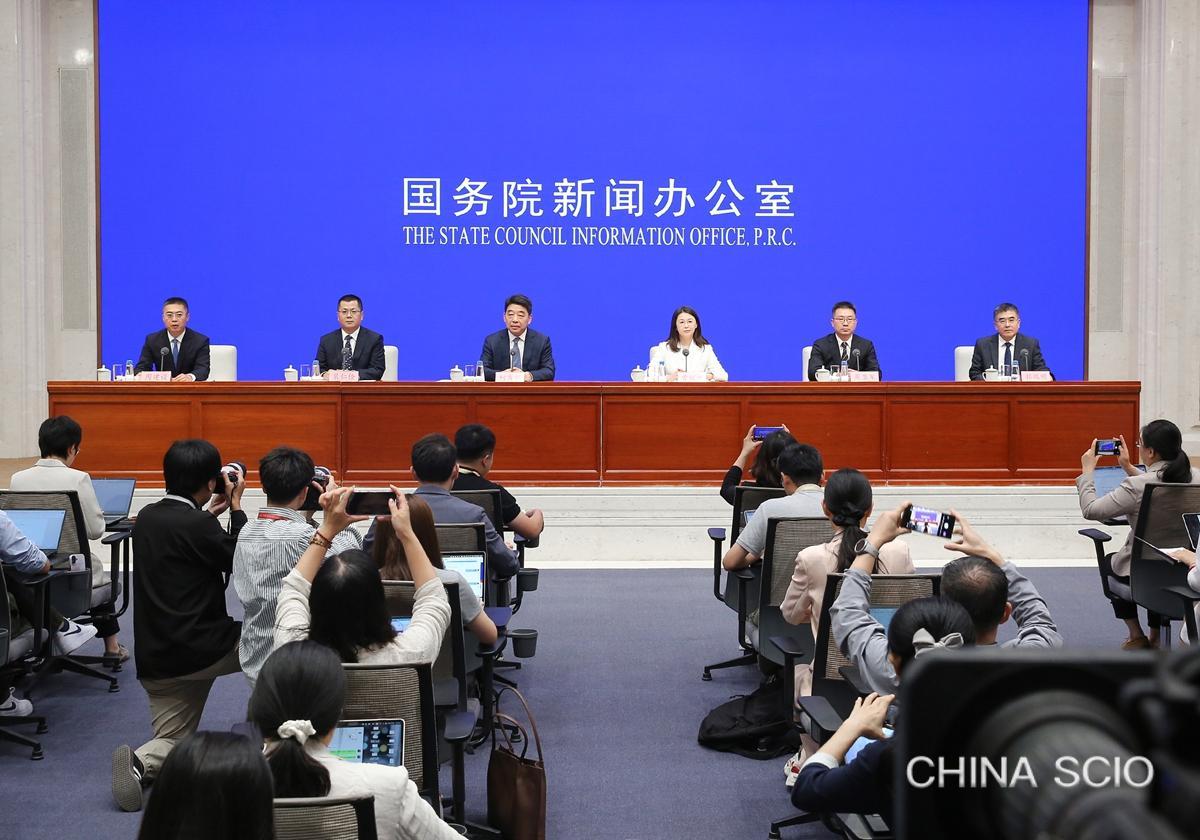
On Sept. 14, 2026, the State Council Information Office holds a policy briefing in Beijing on stepping up efforts to address delayed payments to small and medium-sized enterprises. [Photo by Zhang Xin/China SCIO]
Some large companies have delayed payments to suppliers to reduce financing costs and gain a competitive advantage, said Cao Yuanyuan, director general of the Financial Market Department at the People's Bank of China (PBC). However, public financial data indicates that some of them have the capacity to pay promptly but have not done so, she added.
By expanding interest-free liabilities such as accounts payable, these companies squeeze smaller suppliers' cash flow, forcing them to seek bank loans and bear financing costs passed on by larger businesses. This mismatch in financing also adversely affects monetary policy transmission, she said.
To address these issues, the PBC will support large companies in replacing outstanding payables with loans and bond financing so they can pay suppliers in cash. It will also strengthen disclosure of accounts payable by companies issuing bonds in the interbank market, Cao said.
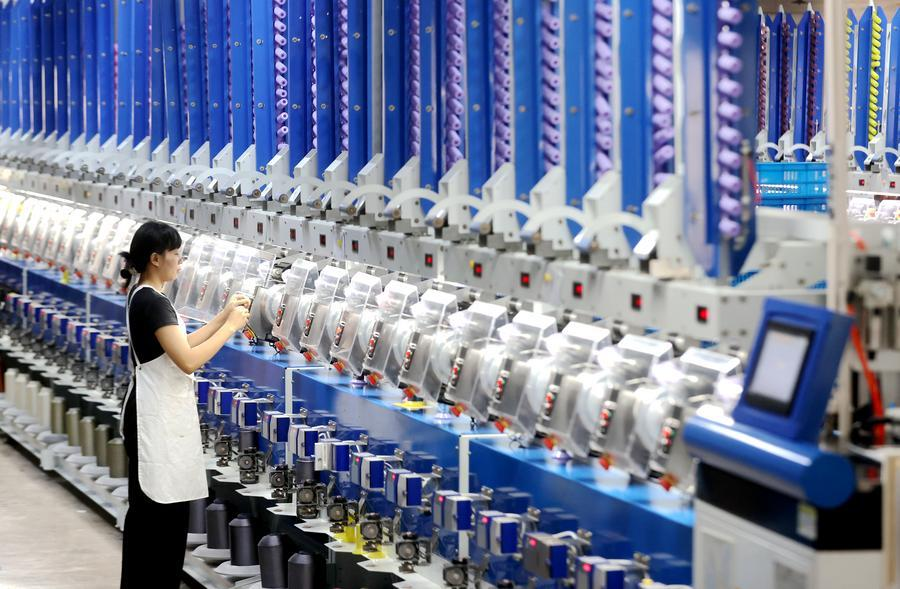
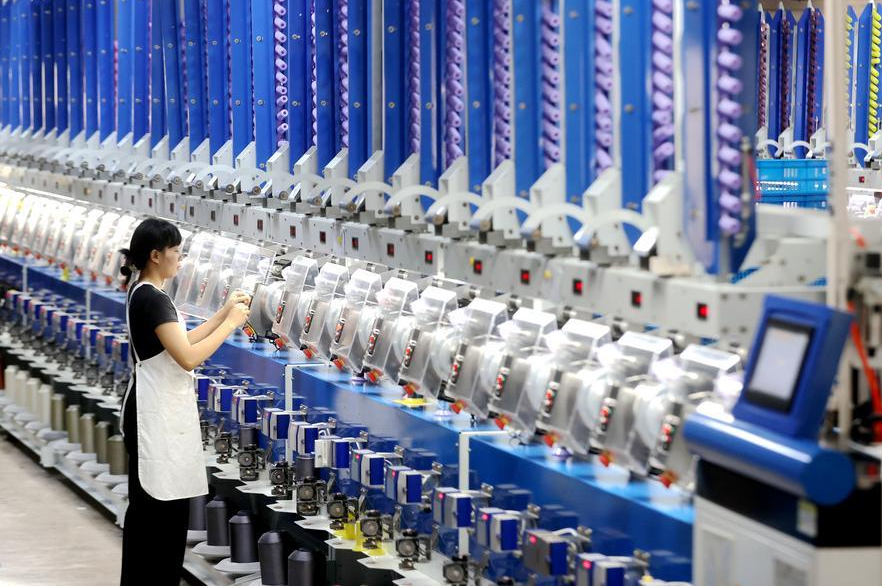
A worker checks automatic spool winders at a smart factory of a company in Huzhou, eastern China's Zhejiang province, June 15, 2026. [Photo/Xinhua]
Companies that make substantial progress in reducing outstanding payables and shortening payment periods will receive facilitated access to financing, including bond issuance, she added.
Vice Minister of Industry and Information Technology Ke Jixin said the notice takes into account the short-term funding pressure that large companies may face as they shorten payment periods, reduce outstanding payables, and increase cash payments.
Authorities will strengthen monitoring of accounts payable at large enterprises and jointly summon companies for talks if they deliberately delay payments while declining available financing support. Those that fail to rectify their practices may face stricter anti-unfair competition enforcement, credit-related penalties, and public exposure, he said.
Alongside efforts to improve payment practices, authorities will also strengthen financing support for SMEs, officials said.
The PBC has stepped up financing support for SMEs through measures including central bank relending and improvements to credit enhancement mechanisms, Cao said. It has also promoted the use of its unified registration system for movable property financing and the accounts receivable financing service platform to make it easier for SMEs to have their accounts receivable confirmed and obtain financing.
To help lower financing costs, the Ministry of Industry and Information Technology will work with relevant authorities to implement interest subsidies for loans to micro, small, and medium-sized enterprises, as well as relending policies for technological innovation and upgrade, Ke said.
The ministry will also explore using assessments of SMEs' specialized and innovative development to help improve their access to financing. A second phase of the national SME development fund will be established to provide long-term, patient capital for such development, he added.