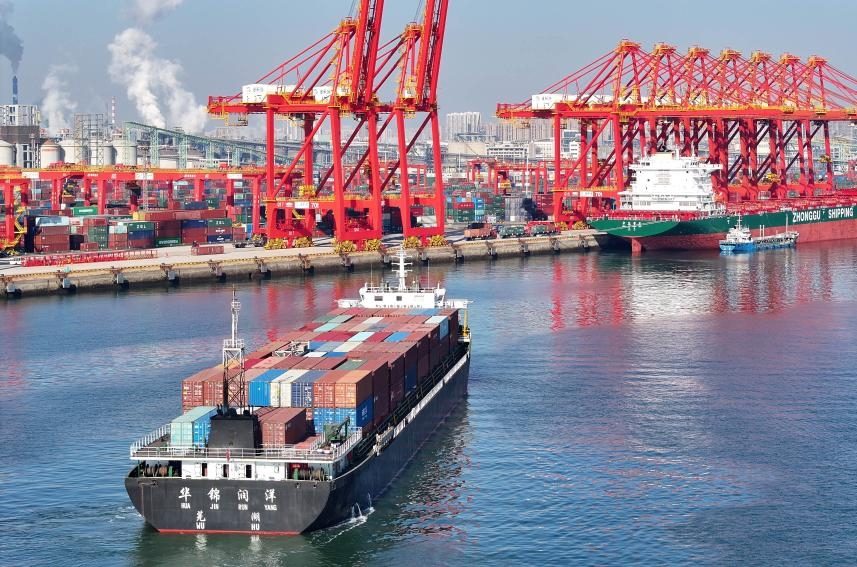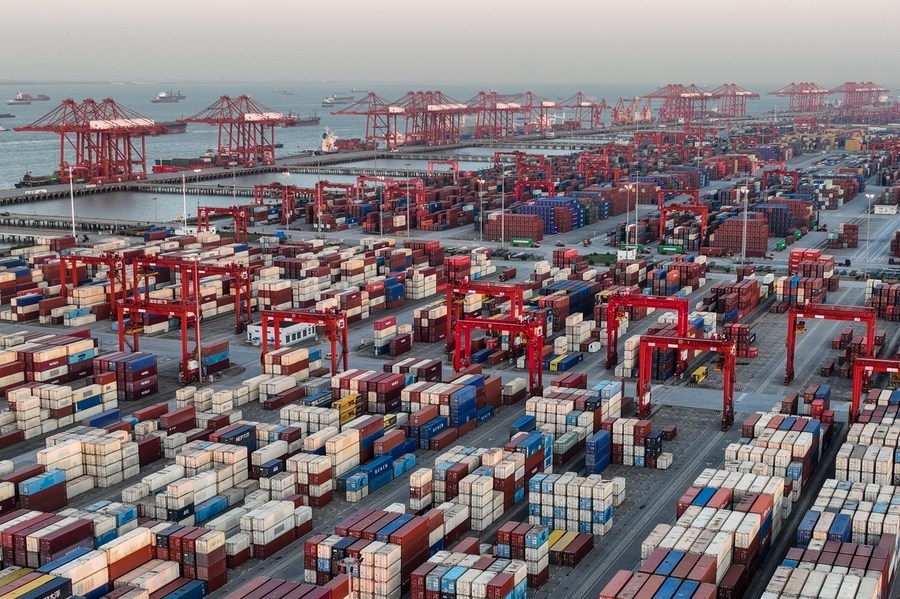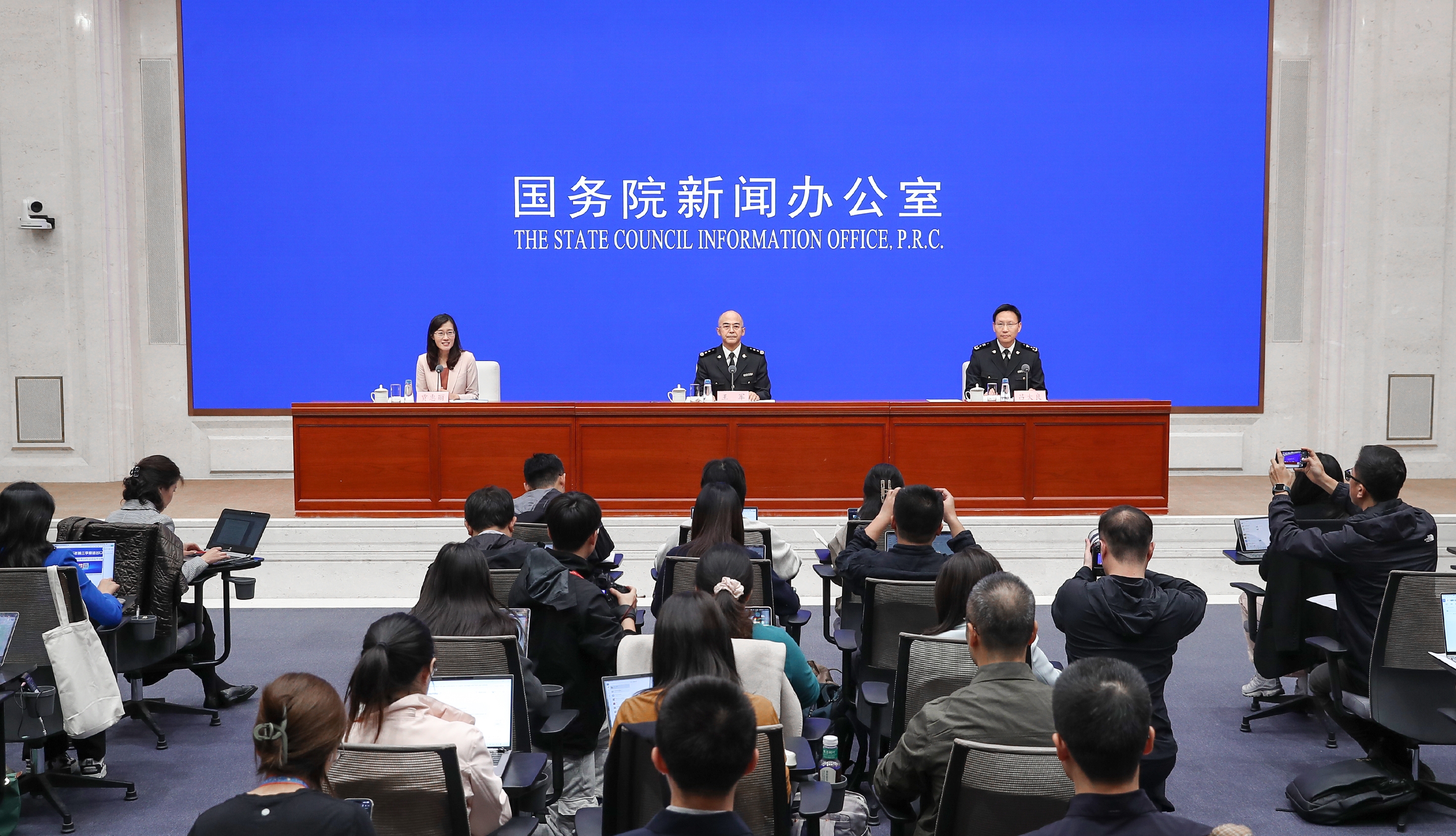

SCIO briefing on China's import and export in first 3 quarters of 2025
Beijing | 10 a.m. Oct. 13, 2025
Speakers

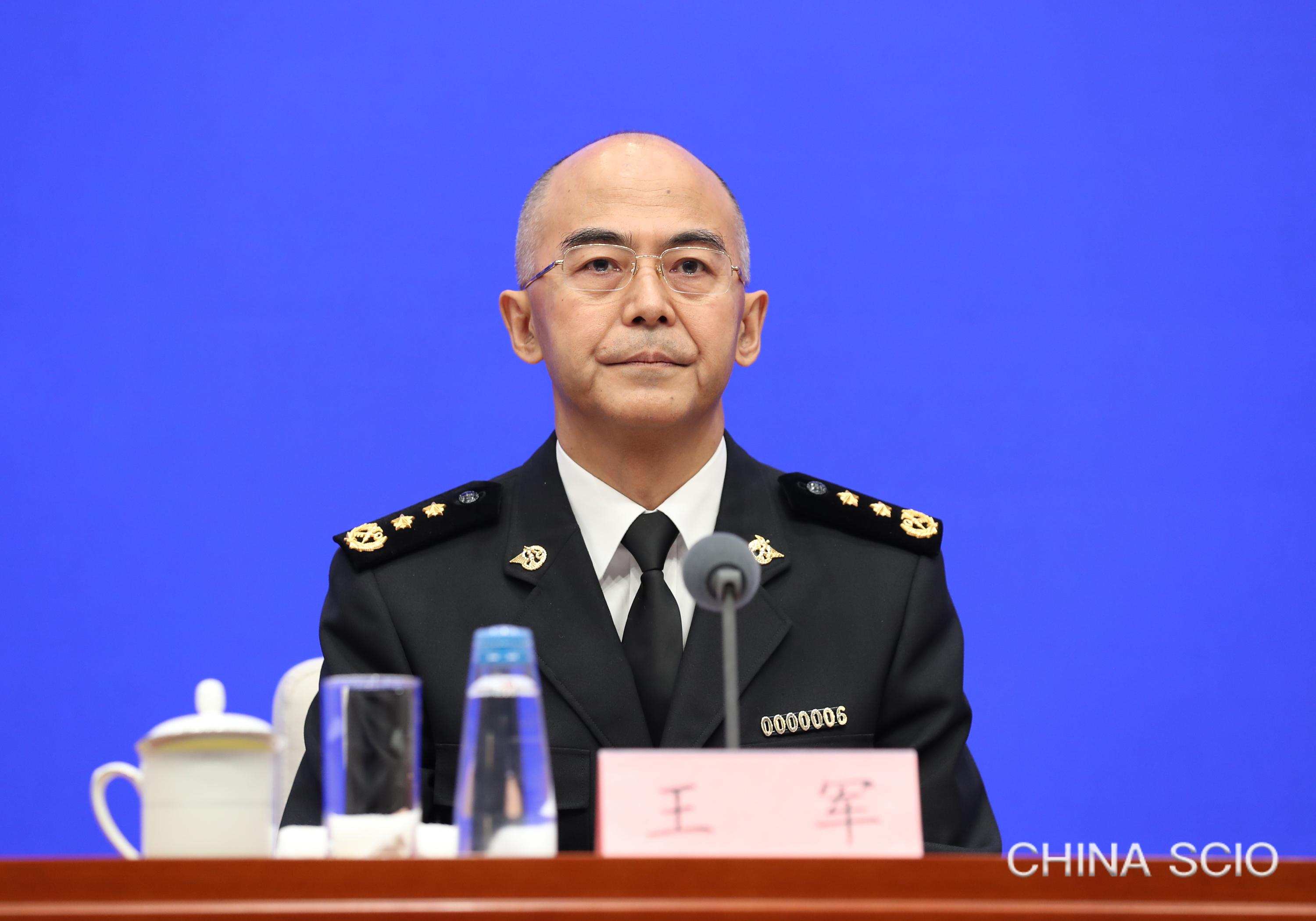
Wang Jun, vice minister of the General Administration of Customs of China (GACC)
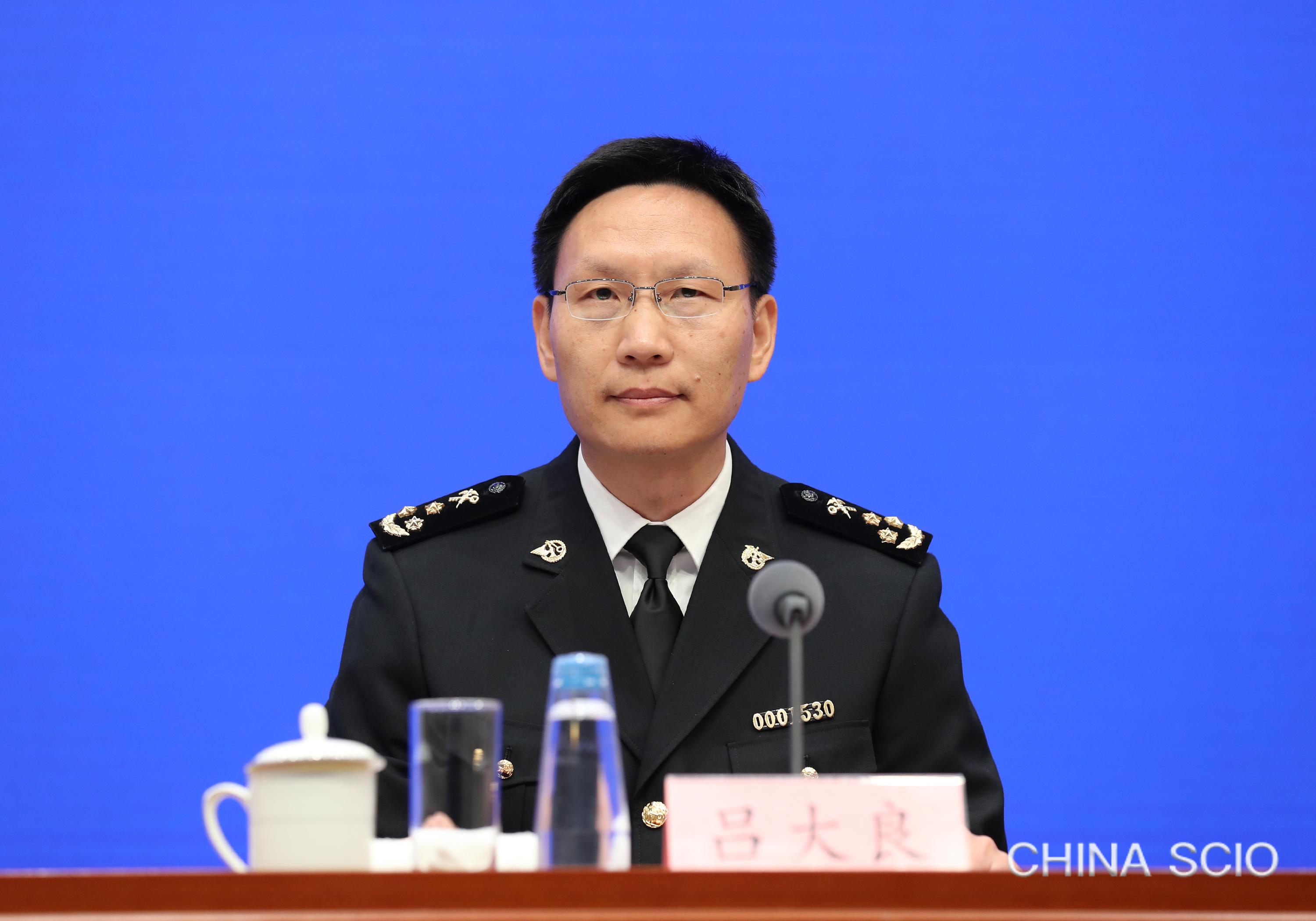
Lyu Daliang, spokesperson of the GACC and director general of the Department of Statistics and Analysis of the GACC
Chairperson
Speakers:
Mr. Wang Jun, vice minister of the General Administration of Customs of China (GACC)
Mr. Lyu Daliang, spokesperson of the GACC and director general of the Department of Statistics and Analysis of the GACC
Chairperson:
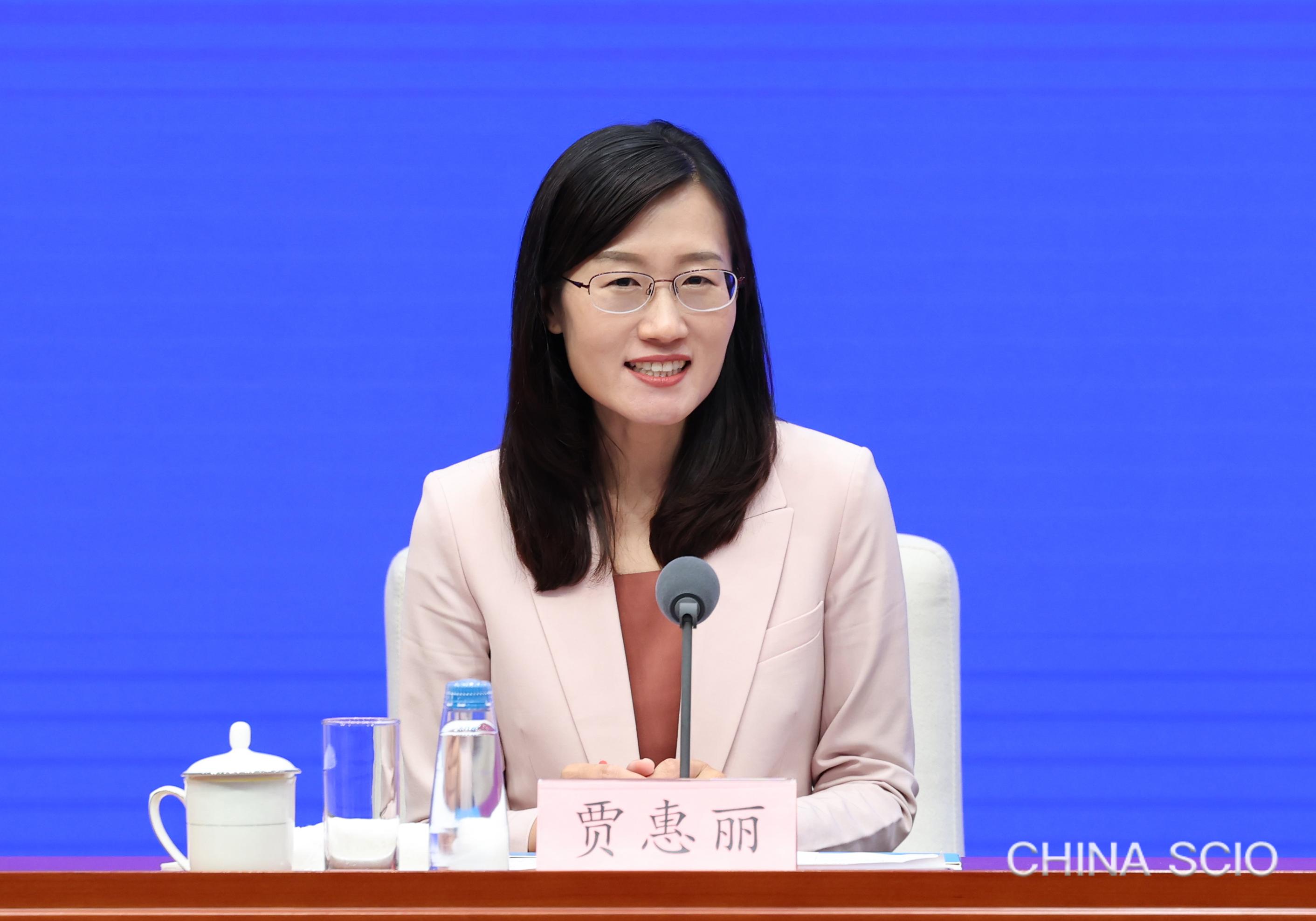
Ms. Jia Huili, deputy director general of the Press Bureau of the State Council Information Office (SCIO)
Date:
Oct. 13, 2025
Jia Huili:
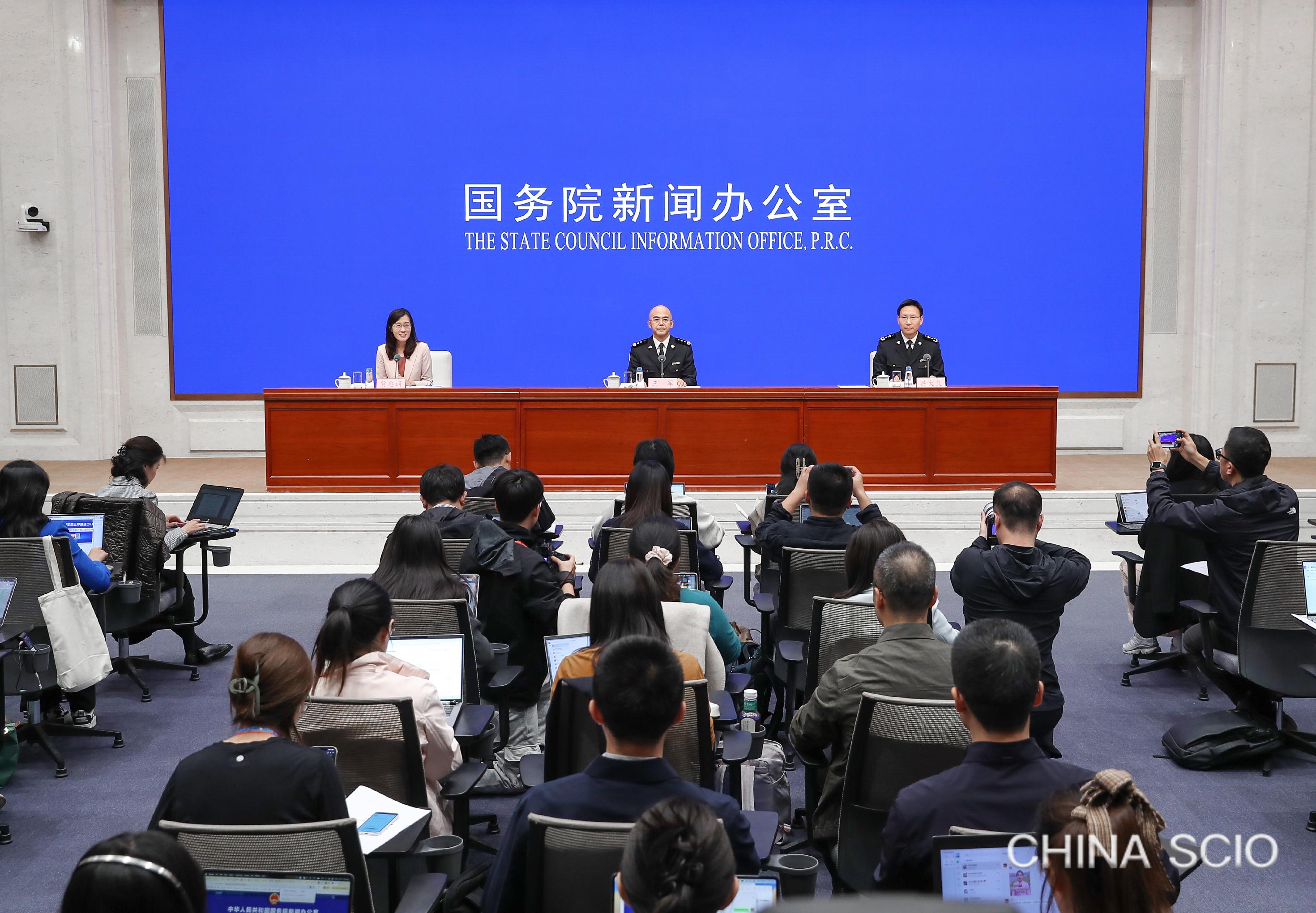
Ladies and gentlemen, good morning. Welcome to this press conference held by the State Council Information Office (SCIO). This is a regular briefing on China's economic data. Today, we have invited Mr. Wang Jun, vice minister of the General Administration of Customs of China (GACC), to brief you on China's imports and exports in the first three quarters of 2025 and to answer your questions. Also attending today's press conference is Mr. Lyu Daliang, spokesperson of the GACC and director general of the Department of Statistics and Analysis of the GACC.
Now, I'll give the floor to Mr. Wang for his introduction.
Wang Jun:
Thank you, Ms. Jia. Good morning, friends from the media. I'm delighted to meet you all. I will start by briefing you on the imports and exports of goods in the first three quarters of this year, and then my colleague and I will answer your questions.
Since the beginning of this year, under the strong leadership of the Central Committee of the Communist Party of China (CPC) with Comrade Xi Jinping at its core, China's economy has maintained steady growth, achieving new results in high-quality development. Despite the complex external environment, China's foreign trade has forged ahead under pressure, sustaining positive growth momentum. According to statistics from the GACC, China's foreign trade of goods in the first three quarters of 2025 jumped 4% year on year to 33.61 trillion yuan. Specifically, exports grew by 7.1% to 19.95 trillion yuan, while imports fell by 0.2% to 13.66 trillion yuan. In September, imports and exports totaled 4.04 trillion yuan, increasing by 8%. Specifically, the trade performance can be characterized by five main features:
First, imports and exports have grown at a faster pace each quarter. In the first and second quarters, China's foreign trade grew by 1.3% and 4.5%, respectively, and the growth rate further increased to 6% in the third quarter, achieving year-on-year growth for eight consecutive quarters.
Second, the market has become increasingly diversified. In the first three quarters, China's trade with Belt and Road partner countries reached 17.37 trillion yuan, up by 6.2% and accounting for 51.7% of its total foreign trade, representing an increase of 1.1 percentage points. Trade with ASEAN, Latin America, Africa and Central Asia rose by 9.6%, 3.9%, 19.5% and 16.7%, respectively. Meanwhile, trade with other APEC economies grew by 2%.
Third, export products have become more advanced and their quality has improved. In the first three quarters, China's exports of mechanical and electrical products totaled 12.07 trillion yuan, up by 9.6% and accounting for 60.5% of total exports, an increase of 1.4 percentage points. Specifically, exports of high-tech products such as electronic information, high-end equipment, and instruments and apparatus increased by 8.1%, 22.4% and 15.2%, respectively. Exports of the "new trio" (namely, electric vehicles, lithium-ion batteries and photovoltaic products) and green products such as electric locomotives, all registered double-digit growth.
Fourth, imports have gradually picked up. With the effective release of domestic demand potential, imports increased by 0.3% year on year in the second quarter and accelerated to 4.7% in the third quarter. In the third quarter, the import volumes of crude oil and metal ores increased by 4.9% and 10.1% year on year, respectively, while the import value of measuring and testing instruments, as well as computers and communication equipment, increased by 9.3% and 8.9%, respectively.
Fifth, foreign trade entities have remained vibrant and active. In the first three quarters, the number of foreign trade enterprises with actual import and export activity in China reached 700,000, up by 52,000 from a year earlier. Among them, private enterprises numbered 613,000, with total trade of 19.16 trillion yuan, up by 7.8%; and foreign-invested enterprises totaled 80,000, with trade reaching 9.82 trillion yuan, up by 3.1%.
Overall, in the first three quarters, under the centralized and unified leadership of the CPC Central Committee, local governments and departments have worked hard and overcome difficulties, and foreign trade enterprises have actively adapted and innovated. China's foreign trade has demonstrated resilience and its structure has been optimized, achieving both quantitative growth and qualitative improvement — a result that has not been easy to achieve.
However, it is also important to recognize that the current external environment remains severe and complex, bringing increasing uncertainties and difficulties in the foreign trade sector. Coupled with high base figures from last year and other objective factors, maintaining stable growth in China's foreign trade in the fourth quarter will still require considerable effort.
The GACC will resolutely implement the decisions and deployments of the CPC Central Committee and the State Council, further enhance regulatory efficiency to strengthen border security, further promote trade facilitation and improve service quality, and further deepen comprehensive reforms to support high-level opening up, making a contribution to stabilizing and improving both the volume and quality of foreign trade throughout the year.
That is all for my introduction. Thank you.
Jia Huili:
Thank you, Mr. Wang, for your introduction. The floor is now open for questions. Please identify the news outlet you work for before asking your question.
_ueditor_page_break_tag_National Business Daily:
We have noticed that despite the severe and complex external environment, China's imports and exports still achieved growth against the trend in the first three quarters. Could you analyze the reasons for this? In what ways is the resilience of China's foreign trade reflected? Thank you.
Wang Jun:
Thank you for your questions. Since the beginning of this year, our trade in goods has withstood pressure, achieved steady growth and shown strong resilience amid the complex environment, demonstrating confidence, vitality and determination.
Confidence is demonstrated mainly in the overall stable growth. As of September, China's imports and exports achieved year-on-year growth for four consecutive months. Major foreign trade provinces and cities have taken the lead, with the total imports and exports of Guangdong, Jiangsu, Zhejiang, Shanghai and Shandong increasing by 5.2% in the first three quarters, contributing more than 80% to the country's total growth. From an international perspective, China's imports and exports accounted for 11.8% of the total global goods trade value, maintaining the country's position as the world's largest goods trader.
Vitality is demonstrated mainly in the new growth drivers. With the continuous development of new quality productive forces and the improving and upgrading of key industries, the structure of China's export products has been continuously optimized and innovated. Chinese-made robots have embraced a wider range of applications and become increasingly popular in the international market. In the first three quarters, exports of industrial robots increased by 54.9%. Exports of wind power-related products grew quickly, with exports of wind turbines and their parts increasing by 23.9%. In addition, Chinese intangible cultural heritage products such as dragon boats, wood carvings and paper cuttings have incorporated contemporary trendy elements, and become widely popular overseas.
Determination is demonstrated mainly in the foreign trade entities rising to the challenge and striving determinedly for progress. In the first three quarters, the number of foreign trade enterprises with actual import and export activity in China reached 700,000 for the first time, exceeding the total of the previous year. A recent survey has shown that an index tracking confidence in the country's export companies has risen for five consecutive months, and another tracking confidence in import enterprises has increased for three consecutive months. Thanks to this fearless and pioneering spirit, our circle of foreign trade partners has become more diverse. International data showed that during the period from January to July, China was among the top three trading partners of 166 countries and regions worldwide, which was an increase of 14 compared to the same period last year.
Since the beginning of 2025, the global economy has faced increasing instability and uncertainty, with unilateralism and protectionism on the rise, putting pressure on China's foreign trade sector. However, our country enjoys a stable economic foundation, numerous advantages, strong resilience and enormous potential. With unchanging supporting conditions and a basic trend of long-term improvement, as well as a super-large market and complete industrial system, China's foreign trade has sustained its strong resilience and vitality, providing support for the stable development in the next stage. Thank you.
_ueditor_page_break_tag_Jimu News:
I would like to learn more about the development of foreign trade in western China. Could you give us a detailed overview of the region's imports and exports in the first three quarters of this year? Thank you.
Wang Jun:
Certainly, and thank you for your interest in this topic. In recent years, western China has advanced its development through greater openness, gradually transforming from a landlocked hinterland into a new frontier of opening up. In 2024, the region's total imports and exports exceeded 4 trillion yuan for the first time, accounting for 9.2% of China's overall foreign trade. During the first three quarters of this year, foreign trade in the western region maintained strong momentum, reaching 3.21 trillion yuan, up 10.2% year on year. This growth can be attributed to three main factors:
First, the dual driving forces of traditional and emerging industries. The region has continued to upgrade and improve the quality and efficiency of its distinctive and competitive industries. In the first three quarters, exports of traditional manufacturing products such as home appliances, motorcycles, and furniture grew by more than 20%. The deep processing of specialty agricultural products has greatly increased their added value, enabling products like coffee extract and caviar to reach global markets more quickly. The region is simultaneously advancing modern manufacturing and strategic emerging industries. Exports of high-tech products, such as advanced equipment, electronic information, and biopharmaceuticals, surpassed 450 billion yuan, marking a 26.4% increase.
Second, faster progress in developing both trade platforms and logistics corridors. Recently, the comprehensive bonded zone at Chongqing's international railway port passed inspection, bringing the total number of such zones in western China to 41. This has further enhanced the region's appeal and capacity for enterprises. Simultaneously, major connectivity projects such as the New International Land–Sea Trade Corridor and the China-Europe freight trains are progressing, forming a comprehensive network of trade routes. In the first three quarters, imports and exports via the New International Land–Sea Trade Corridor totaled 611.5 billion yuan, up 19.3%, contributing 3.4 percentage points to the region's foreign trade growth.
Third, enhanced vitality and greater capability among market participants. A growing number of enterprises — private, foreign-funded, and state-owned — are focusing on developing in the west. In the first three quarters, 41,000 companies in western China recorded import and export activity, up 11.8% year on year. Among China's top 100 foreign trade enterprises, 12 are now based in the western region, two more than in the same period last year.
This year, China held its first-ever central conference on work related to neighboring countries, bringing new opportunities for the western region's opening-up and development. Customs authorities will increase efforts to support the region and further leverage its geographical advantages. The optimization of ports, and upgrading of trade corridors increase both domestic and international openness in western China. Thank you.
_ueditor_page_break_tag_China News Service:
At the end of this month, the 32nd APEC Economic Leaders' Meeting will be held in the Republic of Korea (ROK). Could you please tell us about China's imports and exports with other APEC economies in the first three quarters of this year? Also, what is the trade situation with the ROK, the host of this year's APEC meetings? Thank you.
Wang Jun:
I would like to invite my colleague Mr. Lyu to answer your questions.
Lyu Daliang:
Thank you for the questions. China maintains close economic and trade ties with other member economies of the Asia-Pacific Economic Cooperation (APEC). Mr. Wang just mentioned, in the first three quarters, China's trade with other APEC economies grew by 2% year on year to reach 19.41 trillion yuan, accounting for 57.8% of the country's total foreign trade. Among this, China's imports and exports of high-tech products with other APEC economies both exceeded 2 trillion yuan, up 7.9% and 12% respectively, each accounting for over 60% of China's total imports and exports of such products. Exports of daily consumer goods to APEC partners rose by 5.7%, while imports of sports goods increased by 15.6%.
APEC serves as an important platform for regional economic cooperation. At present, Asia-Pacific cooperation faces challenges such as geopolitical tensions, unilateralism, and protectionism. Building greater consensus and deepening cooperation across various fields will help the region jointly tackle economic challenges and foster a more prosperous Asia-Pacific.
Regarding trade with South Korea, China's imports and exports totaled 1.74 trillion yuan in the first three quarters, up 2% year on year. Exports to South Korea totaled 771.28 billion yuan, up 0.6%, while imports from South Korea rose 3.1% to 967.17 billion yuan. In terms of specific goods, trade in mechanical and electrical products grew by 6%, while agricultural products increased by 3.3%.
China and South Korea are important and close neighbors and key partners for cooperation. Our industrial and supply chains are deeply integrated, forming a closely intertwined development pattern. China is South Korea's largest trading partner, while South Korea ranks fifth for China. Both sides should further expand economic and trade cooperation and work together to uphold the international free trade system. Thank you.
_ueditor_page_break_tag_Nanfang Daily, Nanfang Plus:
In recent years, China's private enterprises have seen rapid growth in imports and exports. Could you elaborate on the key features and highlights of private enterprises' imports and exports during the first three quarters of this year? Thank you.
Wang Jun:
Thank you for your question. In February this year, General Secretary Xi Jinping attended a symposium on private enterprises and delivered an important speech. In May, the Private Sector Promotion Law was officially implemented, effectively boosting the vitality of private enterprises. In the first three quarters, private enterprises saw imports and exports reach 19.16 trillion yuan, up 7.8% year on year, with exports increasing 8.8% and imports rising 5.9%. The characteristics and highlights of private enterprises can be summarized in three aspects.
First, private enterprises are the backbone of stable foreign trade. As of the third quarter this year, private enterprises have posted year-on-year growth in imports and exports for 22 consecutive quarters. Especially this year, although private enterprises have faced severe challenges from a complex external environment, their import and export growth rates have continued to lead. In the first three quarters, they contributed 4.3 percentage points to China's overall foreign trade growth and accounted for 57% of China's total foreign trade value, an increase of 2 percentage points from the same period last year, continuing to maintain their position as China's largest foreign trade segment.
Second, private enterprises are pioneers in expanding markets. In the first three quarters, private enterprises' import and export growth rates with more than 180 countries and regions worldwide outpaced the national level. Exports to emerging markets such as ASEAN, Africa and Central Asia increased 14%, 27.3% and 11.8%, respectively, while growth to traditional markets like the EU and Japan also exceeded the overall level. In addition, private enterprises have actively reaching out to overseas customers, exporting fresh pomelos to New Zealand for the first time and steamed stuffed buns to Honduras, continually expanding export markets for China's specialty agricultural products and traditional food products.
Third, private enterprises are trailblazers in technological innovation. Private enterprises have continued to demonstrate strong innovation capacity, with a steady stream of new achievements emerging and providing fresh growth drivers for foreign trade. In the first three quarters, exports of high-tech products by private enterprises increased by 15.3%, accounting for 54.2% of China's total export value for similar products, up 1.6 percentage points. At present, nearly 80% of China's high-end machine tools, over 70% of lithium batteries, and almost 60% of medical devices are exported by private enterprises. From mega-ships to handheld devices, from industrial equipment to embodied intelligence, private enterprises are present in every sector.
Looking ahead, customs will continue to deepen reforms in clearance procedures, optimize regulatory services and strengthen policy guidance, supporting private enterprises as they expand overseas and helping promote the healthy, high-quality development of the private sector. Thank you.
_ueditor_page_break_tag_CNBC:
I have two questions. The first is that, with the uncertainty brought about by China-U.S. trade frictions, some goods, such as Christmas products, have been exported to the United States earlier than usual. What other types of products have customs noticed being exported in advance, and what impact might this have on export growth in the fourth quarter? The second question is: How does customs view the impact on China's imports and exports following the imposition of port-of-call fees by both China and the U.S., effective on Oct. 14? Thank you.
Wang Jun:
Thank you. Mr. Lyu will answer these questions.
Lyu Daliang:
Okay, you raised two questions. Regarding the first question: Since the beginning of this year, some countries have arbitrarily imposed tariffs, which have undermined the multilateral trading system and disrupted the global trade order. These actions have interfered with the normal operations and pace of production and trade for businesses, damaging the interests of many enterprises. At the same time, they have also seriously interfered with the economic development of various countries, triggering widespread opposition from the international community. China has consistently supported and upheld the multilateral trading system, promoted the stability and smooth flow of global industrial and supply chains, and contributed certainty and stability to world economic growth. For information on the imports and exports of specific products, please refer to our website.
The second question is about port fees for ships. The relevant authorities have responded multiple times before. The measures taken by the U.S. are typical examples of unilateralism and protectionism, and are clearly discriminatory in nature. China's countermeasures are necessary defensive measures taken in response. They are steps we must take to protect the legitimate rights and interests of Chinese industries and enterprises, as well as to maintain a fair competitive environment in the international shipping and shipbuilding markets. We hope the U.S. side will correct its wrongdoings, work together with China, and return to the right track of dialogue and consultation. Thank you.
_ueditor_page_break_tag_Elephant News:
Cross-border e-commerce has become a buzzword in the economic field in recent years and has emerged as a new growth driver for foreign trade. Can you provide an update on China's cross-border e-commerce sector in the first three quarters of this year? What specific measures will customs take next to support the development of cross-border e-commerce? Thank you.
Wang Jun:
Mr. Lyu will answer your questions.
Lyu Daliang:
Thank you for your questions. Cross-border e-commerce is a topic that receives consistent attention. Under China's statistical survey system for cross-border e-commerce, surveys are conducted on a semi-annual and annual basis. Here, I would first like to share the official data on cross-border e-commerce imports and exports for the first half of the year. In the first half of this year, China's cross-border e-commerce imports and exports reached 1.37 trillion yuan, up 10.3% year on year. This accounted for 6.3% of China's total import and export value during the same period, an increase of 0.4 percentage points compared to the same period last year. Specifically, exports stood at 1.03 trillion yuan, up 11.6%, while imports totaled approximately 281.18 billion yuan, an increase of 5.5%.
As a new form of trade, cross-border e-commerce has greatly facilitated consumers both in China and abroad. In terms of exports, the main product categories are clothing, footwear, bags, jewelry and accessories, digital products and components, and household and office appliances and their parts. For imports, the main categories are cosmetics and personal care items, food and fresh produce, pharmaceuticals, health supplements and medical equipment. China's "cross-border e-commerce + industrial belt" model has delivered notable results, with strong links between key consumer markets and import destinations. Most export goods originate from Guangdong, Zhejiang, Fujian, Jiangsu and Henan, while imports are primarily destined for Guangdong, Jiangsu, Zhejiang, Shanghai and Shandong.
Regarding the latest import and export figures for cross-border e-commerce, the current data is still preliminary and is provided for your reference. In the first three quarters, China's cross-border e-commerce imports and exports totaled about 2.06 trillion yuan, up 6.4%. Specifically, exports stood at about 1.63 trillion yuan, up 6.6%, while imports totaled approximately 425.54 billion yuan, an increase of 5.9%.
In recent years, customs have continued to deepen reforms and introduced a series of innovative measures to promote the high-quality development of cross-border e-commerce. We have launched "inspect first, ship later" pilot programs for pre-customs clearance inspections and promoted cross-customs returns for cross-border e-commerce retail exports. We have streamlined export declaration procedures for enterprises and actively supported innovative logistics models, such as the integration of cross-border e-commerce with the China-Europe Railway Express, which has improved logistics efficiency and reduced costs for businesses. We have also optimized the tax payment model by introducing electronic tax payments, allowing cross-border e-commerce enterprises to pay their taxes online through a new electronic system, reducing the need for onsite visits. We have continuously strengthened collaborative governance with cross-border e-commerce enterprises, enhanced information sharing and data connectivity with them, and embedded customs regulatory requirements into companies' business management processes, achieving more streamlined supervision.
Moving forward, we will strengthen targeted policy promotion and business training, and help coordinate and resolve problems encountered by enterprises in customs clearance in a timely manner. We will continue to optimize cross-border e-commerce regulatory model, make customs clearance more convenient and standardized for cross-border e-commerce enterprises, and support the continuous high-quality and well-regulated development of the sector. Thank you.
_ueditor_page_break_tag_China Media Group:
You just mentioned that China's exports maintained strong growth momentum in the first three quarters of this year. What were the main reasons behind this? Also, we've noticed that the current international economic and trade situation is very complex and volatile. What does the outlook for exports look like going forward? My question is for Mr. Wang.
Wang Jun:
Thank you. Exports are a topic of great interest to everyone. Since the beginning of this year, China's exports have effectively responded to various pressures and challenges, maintaining strong growth momentum. In the first three quarters, the growth rate exceeded 7%, marking eight consecutive quarters of growth. Based on our preliminary analysis, there were several driving factors.
First, China's complete industrial system laid a solid foundation for export growth. China boasts a large industrial scale, a complete range of industrial categories and strong supporting capabilities. It is a key link in global industrial and supply chains. According to global trade data, China's share of industrial product exports has ranked first worldwide since 2008, with the proportion approaching 20% in recent years. According to customs statistics, China's manufacturing exports have grown for eight consecutive years, with a 7.1% increase in the first three quarters of this year. Exports of products in sectors such as special equipment manufacturing, automobile manufacturing and instrument manufacturing all maintained double-digit growth.
Second, improved innovation capabilities unleashed export growth potential. As China has accelerated the cultivation of new growth drivers and advantages in manufacturing, new technologies and products have emerged one after another. In the first three quarters, China exported 3.75 trillion yuan worth of high-tech products, an 11.9% increase that contributed more than 30% to overall export growth during the same period. Among them, exports of ships and marine engineering equipment increased 25.5%. Recently, China exported a liquefied natural gas production platform worth nearly 15 billion yuan, with an annual capacity sufficient to meet the residential gas needs of a city with 10 million people. Technological innovation has also driven brand development. In recent years, the share of domestic brands in exports of electric vehicles and agricultural machinery has increased steadily. In the first three quarters of this year, the figures reached 59.5% and 40.2%, respectively, showing significant increases from the same period last year.
Third, adapting to market demand has expanded growth opportunities. More and more companies are closely tracking changes in international market demand and actively providing customers with personalized and customized solutions. For example, Chinese companies launched portable split air conditioners with flexible installation options for both indoor and outdoor units. These products, designed to suit European building structures and climate conditions, helped drive a more than 20% increase in air conditioner exports to Europe in the first three quarters of the year. In another example, Chinese companies developed solar streetlights that can track the sun's trajectory in real time for tropical and rainy regions, significantly improving power generation efficiency. In the first three quarters, China's exports to about 80% of its trade partners achieved growth.
The process of economic globalization is currently facing headwinds and countercurrents. Several international organizations have highlighted significant risks to the global economic outlook, with trade policy uncertainties emerging as a key constraint on worldwide economic growth. Nonetheless, economic globalization continues to be an unstoppable historical trend. Ensuring the resilience and stability of global industrial and supply chains is in the shared interest of all nations. China has been an important force in maintaining the stable and smooth operation of global industrial and supply chains. The existing and new domestic policies continue to yield results. Foreign trade enterprises are meeting international market demands with high-quality supply. Together, these will inject new momentum into our country's exports. Thank you.
_ueditor_page_break_tag_Phoenix Satellite Television:
My question is about imports. Recent data indicate a steady recovery in imports over the past three quarters, highlighted by a strong rebound in the third quarter. Nevertheless, import growth lagged behind the pace of export expansion overall. What does the GACC think about the main reason? What is the outlook for imports in the coming months? Thank you.
Wang Jun:
Thank you for your questions. Mr. Lyu Daliang will answer this question.
Lyu Daliang:
Thank you. Mr. Wang just covered exports, and I will now brief you on imports. China is the world's second-largest goods import market, and the country's large market presents a great opportunity for the world. The decline in international prices for certain bulk commodities in the first three quarters affected the growth rate and value of imports. However, in terms of volume, China's import volume index increased by 0.6% year on year. As of September, imports had risen for four consecutive months on a monthly basis. Driven by domestic production and consumption demand, imports of crude oil and metal ores increased by 2.6% and 4.2%, respectively. The imports of food, beverages, tobacco, as well as cultural and entertainment products also grew by 10.2% and 9.4%, respectively. With the removal of restrictions on foreign investment in the manufacturing sector, imports by foreign-invested enterprises in China rose by 1.1% in the first three quarters.
To understand China's imports, one should not only consider the market scale but also China's proactive role in expanding imports as a major country. China is opening its doors wider to the world, offering more trade partners the opportunity to benefit from its modernization and development. In the first three quarters, China approved the import of 135 new types of agricultural and food products, involving 50 countries and regions. For the least developed countries that have diplomatic relations with China, we have implemented a policy granting zero-tariff treatment for 100% of tariff lines, resulting in a 9.7% increase in imports from those countries. At the same time, China is actively promoting to negotiate and sign the agreement of China-Africa Economic Partnership for Shared Development, aiming to grant zero-tariff treatment on 100% of tariff lines for 53 African countries which have set up diplomatic relations with China.
Next month, the eighth China International Import Expo will be held in Shanghai. The expo is not only a platform for showcasing new products, but also a precious opportunity for multinational companies to enter the Chinese market. Now, exhibits from around the world are being shipped. It is said that a series of cutting-edge technology products, such as companion robots for households, will make their debut at the expo. Customs will enhance clearance efficiency, leverage advanced technologies, innovate regulatory frameworks, and enable more global enterprises to thrive in China's vast market. Thank you.
_ueditor_page_break_tag_The Poster News APP:
As mentioned earlier, in the first three quarters, China's foreign trade with Belt and Road partner countries sustained strong momentum. What were the key highlights? Thank you.
Wang Jun:
Thank you for your question. In the first three quarters of this year, China's imports and exports with Belt and Road partner countries reached 17.37 trillion yuan, up 6.2% year on year. This was 2.2 percentage points higher than the overall growth rate of China's imports and exports during the same period. In terms of imports, 64.6% of China's bulk commodity imports came from Belt and Road partner countries, representing an increase of 1.1 percentage points compared with the same period last year. Since the beginning of this year, the GACC has signed more than 100 cooperation documents with counterpart departments in Belt and Road partner countries, including over 70 agreements on market access for agricultural and food products. Partner countries accounted for 69.1% of China's total agricultural import value, an increase of 3.1 percentage points compared with the same period last year. In terms of exports, exports of electronic information products to Belt and Road partner countries rose 16.6%, high-end equipment 37% and wind power generator sets 58%. Exports of textiles and clothing, food, furniture, automobiles and other daily necessities all achieved growth.
High-quality Belt and Road cooperation is a public good that China provides to the international community and has become the world's largest and most extensive platform for international cooperation today. High-level unimpeded trade continues to create new opportunities for development cooperation among partner countries. To fully showcase the achievements of China's foreign trade development with Belt and Road partner countries, we compile an annual trade index between China and partner countries. We set the base year, 2013, at 100. The latest results show that the index rose to 198 in 2024, fully reflecting the strong momentum and growth potential of economic and trade cooperation between China and partner countries. In 2024, the proportion of imports and exports with partner countries exceeded 50% for the first time. It further increased to 51.7% in the first three quarters of this year.
Moving forward, customs will continue to follow the guidance of the eight major steps for high-quality Belt and Road cooperation, deepen collaboration with the customs authorities of partner countries, enhance customs clearance efficiency, and help take China's economic and trade cooperation with partner countries to new heights. Thank you.
_ueditor_page_break_tag_Dazhong Daily:
From the perspective of trade patterns, what are the import and export figures for the processing trade in the first three quarters? What development trends have emerged? Thank you.
Wang Jun:
Thank you. The processing trade is an important trade model that links domestic and international dual circulation. Since 2010, China's annual import and export volume under the processing trade has remained above 7 trillion yuan. In the first three quarters of this year, imports and exports under the processing trade reached 6.18 trillion yuan, growing 6.9% year on year and accounting for 18.4% of China's total foreign trade value. The contribution to import and export growth exceeded 30%. Among China's exports, 60% of laptops and 70% of game consoles were exported under the processing trade model.
I would like to highlight a few positive developments in the processing trade since the beginning of this year. The first positive development is that the processing trade has continued to advance into higher value-added segments. In the first three quarters, high-tech products accounted for 32.6% of processing trade exports, up 0.4 percentage point year on year. This share was higher than the overall high-tech product export average. An increasing number of enterprises are becoming specialized and innovative "little giants" by deeply cultivating niche fields and driving technological innovation. The second positive development is that the shift of processing trade to different regions has yielded remarkable results. Imports and exports under the processing trade in the central and western regions reached 1.56 trillion yuan, up 11.9%, accounting for 25.7% of the regions' total foreign trade value. This share was 7.3 percentage points higher than the national average. Among them, exports of flat panel display modules, electrical equipment and medical instruments all recorded rapid growth. The third positive development is that market diversification in the processing trade has improved. Imports and exports under the processing trade with Belt and Road partner countries increased 13.9%, 7 percentage points higher than the overall growth rate of the processing trade.
Customs will continue to introduce measures to support the high-quality development of the processing trade and continuously innovate regulatory models. These efforts will facilitate the expansion of the processing trade into new business forms, such as bonded maintenance and bonded leasing, injecting fresh momentum into its development. Thank you.
_ueditor_page_break_tag_Jinan Times APP:
Could you brief us on trade between China and ASEAN in the first three quarters? In addition, what new opportunities will the official signing of the China-ASEAN Free Trade Area 3.0 Upgrade Protocol bring for trade between China and ASEAN? Thank you.
Wang Jun:
Thank you. I'd like to invite Mr. Lyu to answer your questions.
Lyu Daliang:
ASEAN is China's largest trading partner. Since China and ASEAN established a comprehensive strategic partnership in 2021, bilateral economic and trade cooperation has grown ever closer, with the trade volume successively surpassing the milestones of 5 trillion yuan and 6 trillion yuan. Last year, it reached 6.99 trillion yuan, nearly 7 trillion yuan. In the first three quarters of this year, the total value of China's imports and exports with ASEAN countries reached 5.57 trillion yuan, up 9.6% year on year, accounting for 16.6% of China's total foreign trade. ASEAN has remained China's largest trading partner, while the mutually beneficial economic and trade relationship, characterized by complementary advantages, has continued to deepen.
From the consumer perspective, it has enriched consumption choices on both sides. ASEAN has been China's largest trading partner in agricultural products for eight consecutive years. In the first three quarters of this year, China's imports of agricultural products from ASEAN rose 15.3%, accounting for 19.1% of the country's total agricultural import value. ASEAN has become China's second-largest source of agricultural imports. Among these imports, the volume of fruit shipments entering the Chinese market via the China-Laos Railway, a "golden thoroughfare," soared 37.8%, allowing domestic consumers to enjoy tropical flavors more quickly and with greater freshness. At the same time, ASEAN is also China's largest market for agricultural exports. In the first three quarters, exports of citrus fruits, lettuce and other produce to ASEAN grew rapidly, allowing consumers in the region to enjoy an even wider variety of "Chinese flavors."
From an enterprise perspective, it has supported industrial cooperation between the two sides. With the full implementation of China's multilateral and bilateral free trade agreements with ASEAN as a whole and individual ASEAN member states, the benefits of tariff reductions and trade facilitation policies continue to take effect. Industrial and supply chain integration within the region has deepened, further expanding the space for industrial cooperation between China and ASEAN. In the first three quarters, China's exports of textile machinery and textile raw materials to ASEAN climbed 28.2% and 13.4%, respectively, while imports of garments rose 9.3%. Additionally, China's imports of rubber from ASEAN jumped 40.7%, and exports of auto parts, including tires, grew 19.8%.
From the perspective of importers and exporters, trade channels between the two sides have become smoother. China and ASEAN are connected by mountains and rivers. The BRI has been fully aligned with the Master Plan on ASEAN Connectivity 2025, and a number of landmark projects, such as the China-Laos Railway, have been completed. The multidimensional connectivity network has continued to improve, providing strong support for deepening economic and trade cooperation. In the first three quarters, China's trade with ASEAN via land transportation rose 21%, while shipments by sea, air and other means also continued to grow rapidly.
The China-ASEAN relationship has become the most successful and dynamic model of regional cooperation in the Asia-Pacific. As you just mentioned, the negotiations on CAFTA 3.0 have been fully concluded. We believe this will inject new impetus into the development of bilateral economic and trade relations, while providing greater certainty for regional and global trade. Customs will continue to enhance supervision capabilities and service quality, and lift China-ASEAN bilateral economic and trade cooperation to new heights. Thank you.
Jia Huili:
The last two questions, please.
_ueditor_page_break_tag_Xinhua News Agency:
Through Mr. Wang's introduction, we learned how Chinese trendy toys are breathing new life into the country's foreign trade by blending traditional culture with Chinese manufacturing. May I ask how the overseas expansion of Chinese trendy brands has been progressing this year? What new support measures have customs authorities introduced? Thank you.
Wang Jun:
Thank you. The questions you raised have attracted considerable public attention. We are pleased to see that in recent years, many domestic "trendy brands" have become global bestsellers, winning favor among overseas consumers and emerging as a new highlight of China's foreign trade exports. In the first three quarters, China's exports of holiday supplies, dolls and animal-shaped toys exceeded 50 billion yuan, reaching more than 200 countries and regions worldwide. Many of these products are produced by the country's trendy domestic brands.
These products have gained worldwide popularity, reflecting the influence of traditional Chinese culture, demonstrating the creativity of China's foreign trade enterprises and building upon the solid foundation of Chinese manufacturing. For example, last week's Mid-Autumn Festival saw Chinese-style lanterns and bamboo-woven little rabbits win over countless overseas fans. Blind box figurines and collectible models, which are familiar to many, blend cultural elements with brand value and represent original Chinese trendy toy IPs. Chinese toy companies, by using 3D printing technology, have reduced their new product development cycle from 15 days to three, shifting from leading in scale to leading in strength.
Going forward, we will further enhance the protection of IP rights by customs, support enterprise innovation and development, continue to optimize the business environment for cross-border trade, and introduce facilitation measures to ensure that these popular products are delivered efficiently and seamlessly to consumers worldwide. Thank you.
Jia Huili:
The last question, please.
_ueditor_page_break_tag_Cover News:
The Shanghai Cooperation Organization (SCO) Summit was held in Tianjin this September. What has been the status of China's economic and trade relations with SCO member countries so far this year? Thank you.
Wang Jun:
I'd like to invite Mr. Lyu to answer this question.
Lyu Daliang:
Since the establishment of the SCO 24 years ago, SCO member states have shared opportunities and pursued development together, achieving fruitful results in cooperation across various fields. China's imports and exports with other SCO member states have risen from around 100 billion yuan when the organization was founded to 3.65 trillion yuan in 2024. The latest statistics show that in the first three quarters of this year, China's imports and exports with other SCO member countries reached 2.75 trillion yuan, up 2.4% year on year and hitting a record high for the same period.
According to the data, the accelerated development of the China-Europe Railway Express, the expansion of international road transport routes, and the densification of the air cargo network have all promoted deeper trade ties within the SCO. In the first three quarters of this year, China's imports and exports with other member countries by rail transport exceeded 360 billion yuan, accounting for 70% of China's total rail trade. Meanwhile, imports and exports via road and air increased 10.9% and 37%, respectively. The number of business entities participating in trade is increasing, and personnel exchanges are becoming more convenient. In the first three quarters, more than 190,000 enterprises engaged in trade with other SCO member countries, an increase of about 8,500 compared with the same period last year. It is reported that since the beginning of this year, the number of merchants from SCO countries who visited Yiwu, Zhejiang to source goods and start businesses has exceeded 100,000, up more than 10,000 year on year.
China is actively promoting the entry of agricultural products from its SCO circle of friends. In the first three quarters of this year, China imported 74.3 billion yuan of agricultural products from other member countries, up 6.1% year on year. Increasingly, distinctive agricultural and food products from SCO countries are making their way into the daily lives of Chinese consumers. During the same period, China's exports of agricultural machinery, pharmaceuticals and medical devices to other SCO member countries rose 51.9%, 14.7% and 13.4%, respectively, helping these countries upgrade related industries and improve their people's well-being.
The markets of SCO member countries are vast and have strong internal growth momentum, continuously increasing their contribution to world economic growth. Moving forward, customs authorities will thoroughly implement the outcomes of the SCO Summit in Tianjin and expand cooperation with other member countries in areas such as customs clearance facilitation, inspection and quarantine. We will also continue to optimize the business environment at ports and provide more convenient and efficient customs clearance services to further deepen trade and investment cooperation. Thank you.
Jia Huili:
Today's briefing is hereby concluded. Thank you to all the speakers and friends from the media. Goodbye, everyone.
Translated and edited by Xu Xiaoxuan, Lin Liyao, Cui Can, Xu Kailin, Li Xiao, Liu Jianing, You Jiaxin, Zhang Tingting, Mi Xingang, Zhou Jing, Huang Shan, Wang Yiming, Li Huiru, Zhang Rui, Gong Yingchun, Fan Junmei, Zhang Junmian, David Ball, Tudor Finneran, and Jay Birbeck. In case of any discrepancy between the English and Chinese texts, the Chinese version is deemed to prevail.

/4 Jia Huili
/4 Wang Jun
/4 Lyu Daliang
/4 Group photo
SCIO briefing on high-quality meteorological development during the 14th Five-Year Plan period
October 11, 2025SCIO briefing on China's achievements in civil affairs during the 14th Five-Year Plan period
October 10, 2025