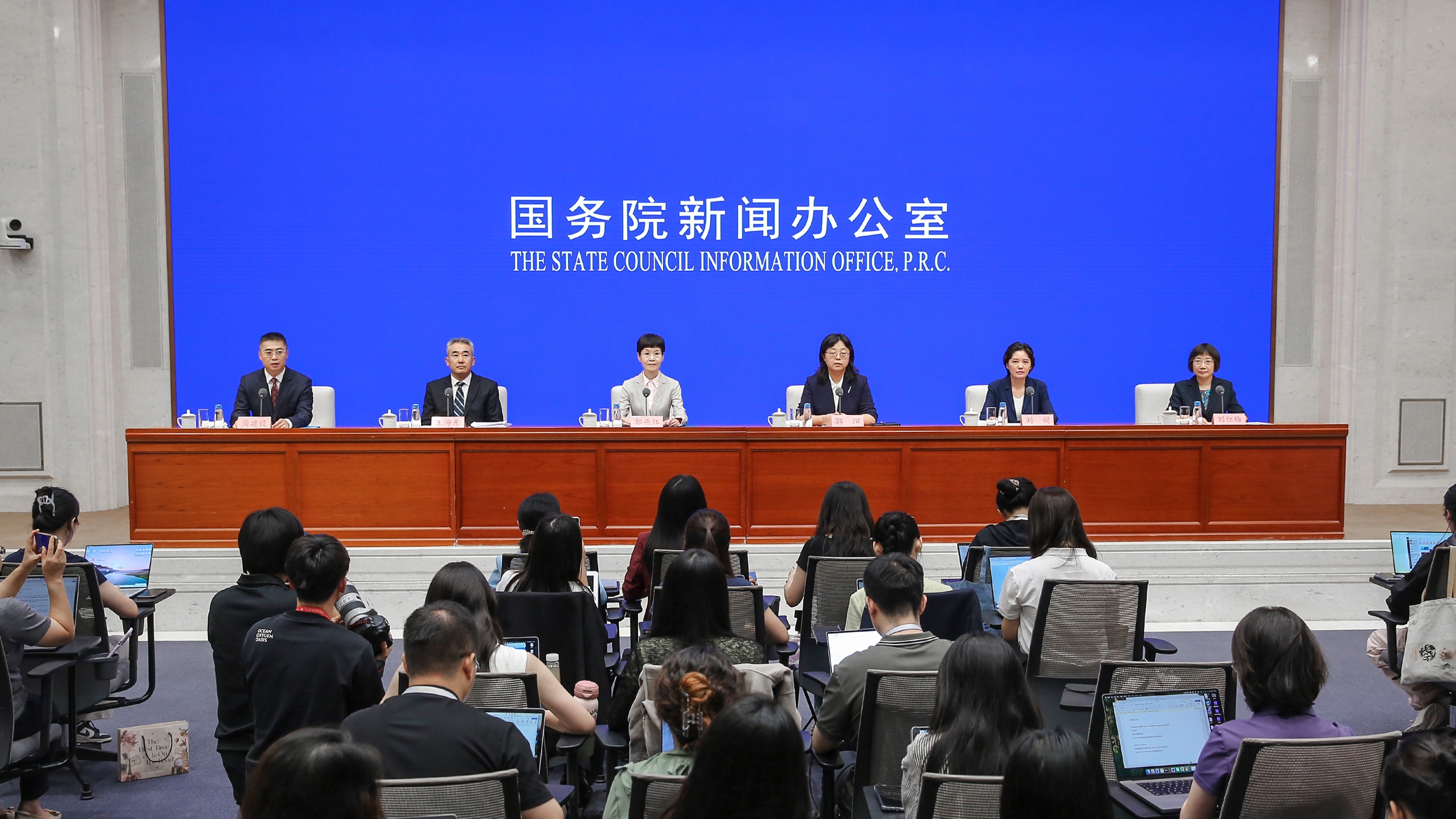

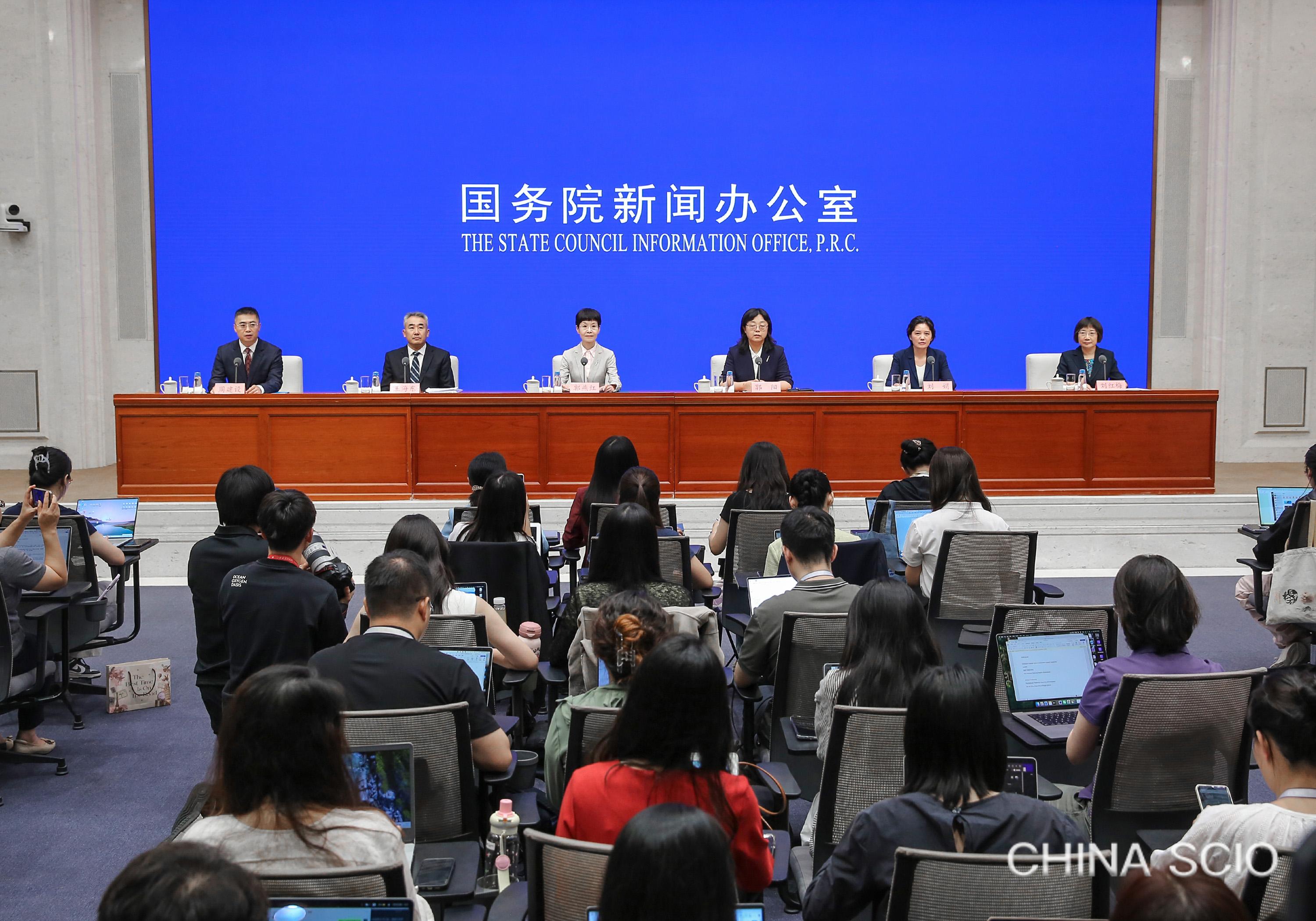
SCIO briefing on China's childcare subsidy system and fertility support measures
Beijing | 2 p.m. July 30, 2025
Speakers

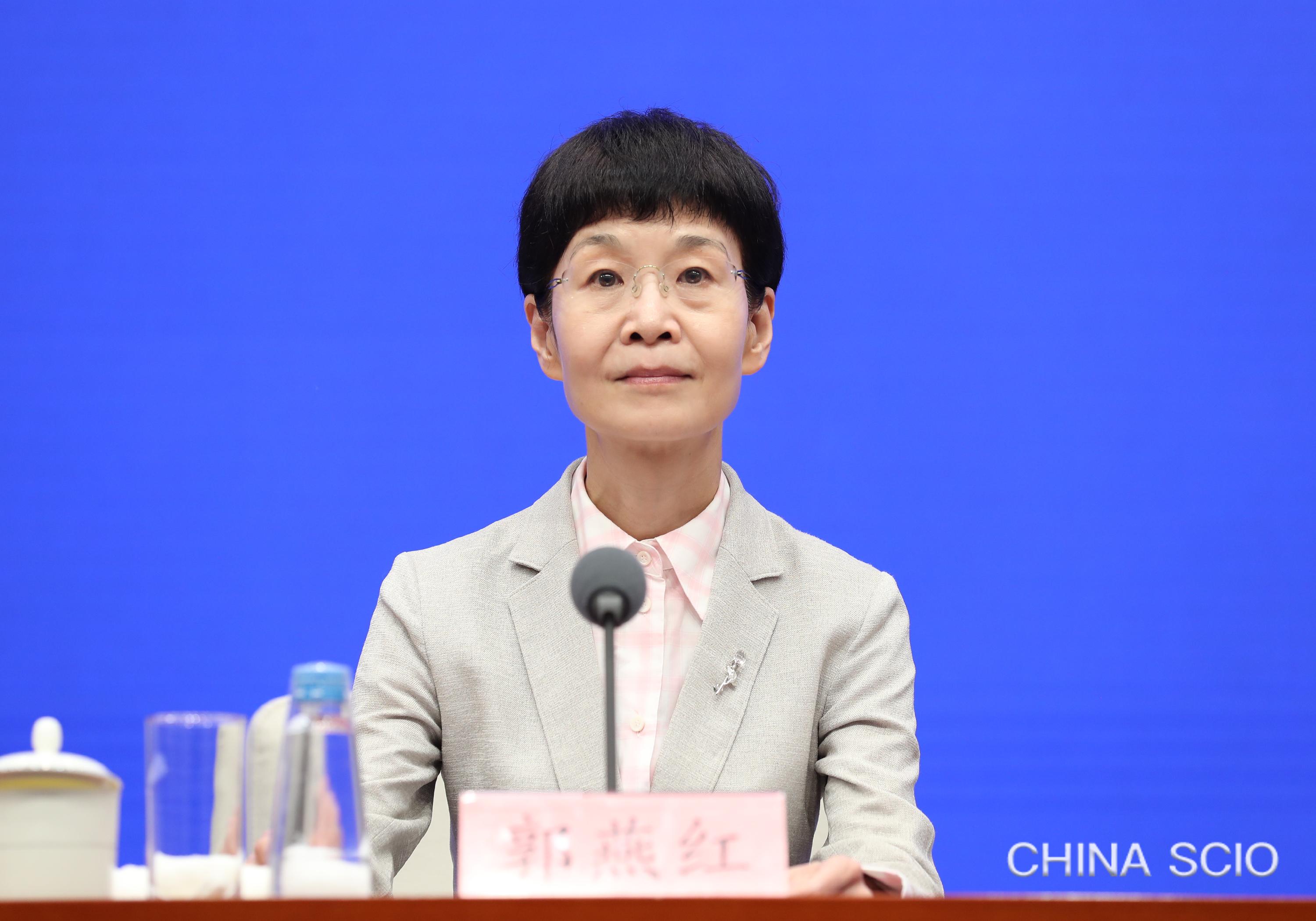
Guo Yanhong, vice minister of the National Health Commission
Guo Yang, director general of the Department of Social Security of the Ministry of Finance
Wang Haidong, director general of the Department of Population Surveillance and Family Development of the National Health Commission
Liu Juan, deputy director general of the Department of Benefits Security of the National Healthcare Security Administration
Liu Hongmei, director general of the Department of Female Employees of the All-China Federation of Trade Unions
Chairperson
Speakers:
Ms. Guo Yanhong, vice minister of the National Health Commission (NHC)
Ms. Guo Yang, director general of the Department of Social Security of the Ministry of Finance (MOF)
Mr. Wang Haidong, director general of the Department of Population Surveillance and Family Development of the NHC
Ms. Liu Juan, deputy director general of the Department of Benefits Security of the National Healthcare Security Administration (NHSA)
Ms. Liu Hongmei, director general of the Department of Female Employees of the All-China Federation of Trade Unions (ACFTU)
Chairperson:
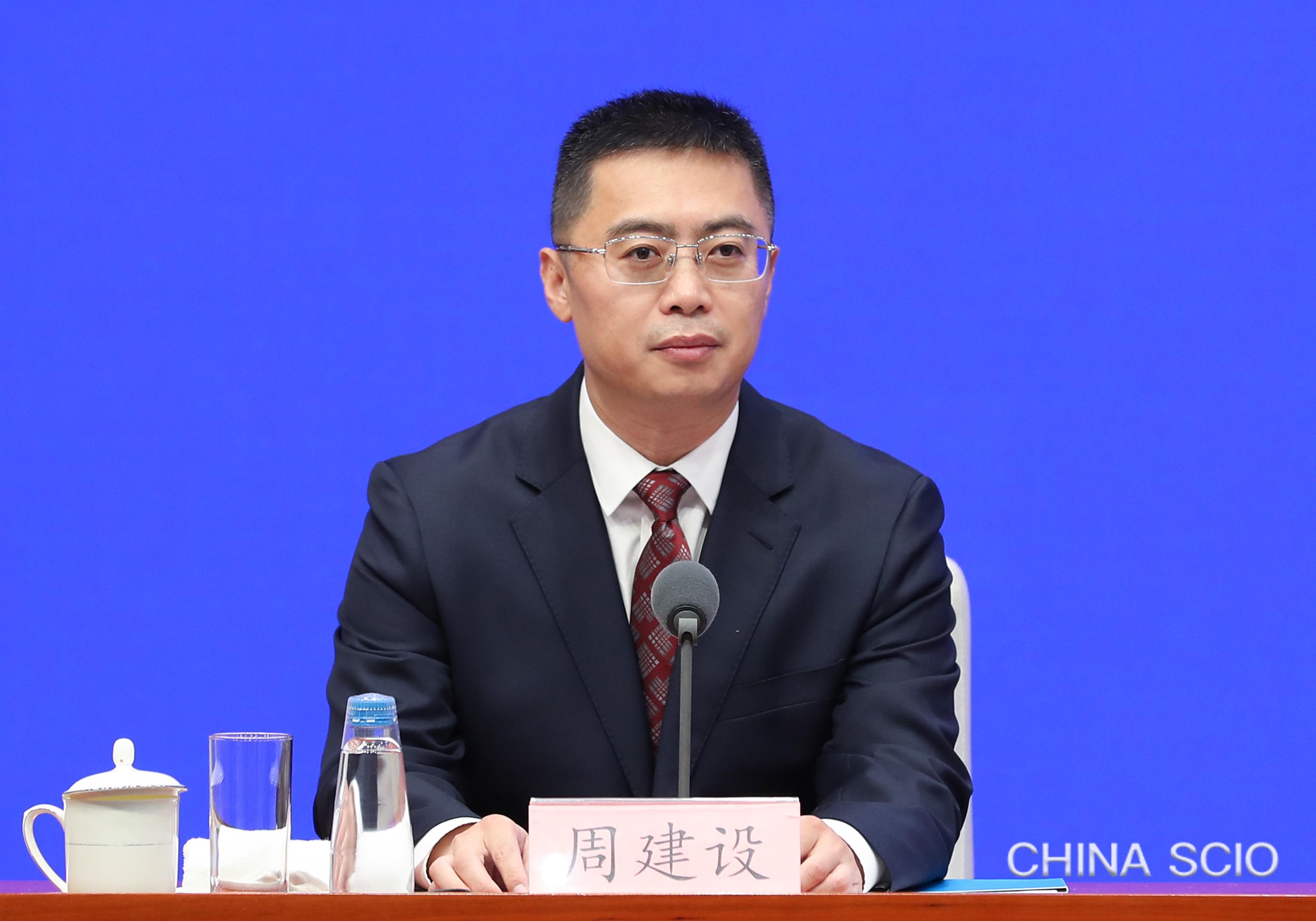
Mr. Zhou Jianshe, deputy director general of the Press Bureau of the State Council Information Office (SCIO) and spokesperson of the SCIO
Date:
July 30, 2025
Zhou Jianshe:
Ladies and gentlemen, good afternoon. Welcome to this press conference held by the State Council Information Office (SCIO). The General Office of the Communist Party of China (CPC) Central Committee and the General Office of the State Council recently released a child care subsidy system implementation plan. To help introduce the program, today we have invited Ms. Guo Yanhong, vice minister of the National Health Commission (NHC), to brief you on China's child care subsidy system and childbirth support measures, and to answer your questions.
Also attending today's press conference are: Ms. Guo Yang, director general of the Department of Social Security of the Ministry of Finance (MOF); Mr. Wang Haidong, director general of the Department of Population Surveillance and Family Development of the NHC; Ms. Liu Juan, deputy director general of the Department of Benefits Security of the National Healthcare Security Administration (NHSA); and Ms. Liu Hongmei, director general of the Department of Female Employees of the All-China Federation of Trade Unions (ACFTU).
Now, I'll give the floor to Ms. Guo for her introduction.
Guo Yanhong:
Ladies and gentlemen, good afternoon. Recently, the General Office of the CPC Central Committee and the General Office of the State Council released a plan for the implementation of the child care subsidy system. First, I will briefly introduce the situation regarding this program.
Since the 18th CPC National Congress, the CPC Central Committee with Comrade Xi Jinping at its core has made a series of major strategic plans on population development. The Third Plenary Session of the 20th CPC Central Committee made special arrangements to improve the systems for supporting population development and providing related services. The priorities included refining the policy system and incentive mechanisms for boosting the birth rate, building a childbirth-friendly society, and introducing a system of childbirth subsidies. In addition, the 2025 Government Work Report clearly proposed providing child care subsidies.
Faithfully implementing the decisions and plans of the CPC Central Committee and the State Council, the NHC and the MOF conducted extensive research and in-depth discussions, summarized the experiences of local child care subsidy programs, fully solicited opinions from all parties, comprehensively considered China's national conditions, development stage and fiscal capacity, as well as international practices, and finally proposed a plan for the child care subsidy system. Recently, the General Office of the CPC Central Committee and the General Office of the State Council have released a child care subsidy system implementation plan.
The child care subsidy system is a brand new public policy that is important to millions of families. According to the implementation plan, the child care subsidy system takes effect from Jan. 1, 2025, offering subsidies for all children under the age of 3 by that date who are in compliance with relevant laws and regulations, until they reach the age of 3. The child care subsidy is issued annually, with a standard of 3,600 yuan per year for each child. It can be applied for online through the child care subsidy information management system, by one of the child's parents or guardians, while offline channels are also available. The subsidy will be transferred to the bank card or other financial account of the applicant or child. The subsidy, when issued in line with relevant regulations, will be exempt from individual income tax and will not be counted as household or individual income when determining the assistance recipients, such as those receiving subsistence allowances or classified as living in extreme hardship.
The child care subsidy marks the first large-scale, universal and direct cash assistance program aimed at enhancing public well-being ever implemented nationwide since the founding of the People's Republic of China. It is a major measure to benefit the people and improve their lives. The implementation of the child care subsidy system reflects the following four principles:
First, the system aims to improve people's livelihoods and benefit the people. The child care subsidy focuses on issues people care about most and that concern their most immediate and most realistic interests. It delivers real and tangible benefits to help reduce the child care burden of families and is a concrete practice of implementing the people-centered concept and investing in people. More efforts should be made to ensure and improve people's livelihoods through development, allowing people a greater sense of gain.
Second, the system is being implemented in a coordinated way to ensure fairness. The child care subsidy achieves comprehensive coverage of family support under the three-child policy, ensuring that all eligible children can equally benefit from the program, regardless of whether they live in urban or rural areas, their ethnicity, region, or if they are the first, second or third child in the family.
Third, the system is being implemented within our capacity. As a major developing country, China is still in the primary stage of socialism. The child care subsidy system takes into account China's population development and socioeconomic development, setting a reasonable scope and standard for the subsidy to ensure financial affordability and policy sustainability. After all, in order to make steady and sustained progress, one must do everything within their capacity.
Fourth, the system must be reliable, well-regulated, easy and practicable. We have reduced the documents required for child care subsidy applications as much as possible, and streamlined the application process to improve efficiency and help the public. Through a unified national information system, the subsidy can be applied for online by both registered local residents and migrant population, with the need for only one application process. Of course, while promoting the main online application channel, we also offer in-person services. At the same time, we are conducting strict eligibility reviews and strengthening performance management to ensure fund safety, bringing tangible benefits to the people.
Members of the media, ladies and gentlemen, in October last year, the General Office of the State Council issued 13 targeted measures across four areas to improve the policy system to support childbirth in China and promote the construction of a childbirth-friendly society. All localities and relevant authorities have focused on promoting child-rearing support and have made positive progress. Looking ahead, we will work with relevant departments to implement a package of new birth support policies to achieve practical results and better address the concerns and expectations of the public regarding child care. Today, we are holding this press conference together with colleagues from the MOF, the NHSA and the ACFTU to brief you on the child care subsidy system and childbirth support measures, and to answer your questions.
Thank you.
Zhou Jianshe:
Thank you, Ms. Guo, for your introduction. The floor is now open for questions. Please identify your news organization before asking your question.
_ueditor_page_break_tag_Farmers' Daily:
The child care subsidy targets children under 3 years old. What was the reasoning behind this decision? Can children born before 2025 receive the subsidy? Also, who applies for the subsidy? Thank you.
Guo Yanhong:
Thank you for your questions. I would like to invite Mr. Wang to answer your questions.
Wang Haidong:
Thank you for your questions. The main reason we focus on children under 3 is that the first three years represent a critical stage in child development and an important period when families especially need support in child-rearing. Providing child care support to families with children under 3 is also a common policy tool used globally to encourage childbirth. The subsidy standard was set based on our development stage and fiscal capacity, covering the child-rearing period for children under 3 years old.
Regarding whether children born before 2025 are eligible, the implementation plan states that subsidies will be provided starting Jan. 1, 2025, to all children under 3 who were born in compliance with laws and regulations, continuing until they turn 3. This includes children born before Jan. 1, 2025, who will receive subsidies calculated based on their remaining eligible months until age 3. In other words, any child born after Jan. 1, 2022, who meets the criteria can receive the child care subsidy. To make it convenient for people to apply, we have also created a reference chart showing subsidy amounts for children born in each month from 2022 to 2024. The chart has been posted online so parents can easily see exactly how much each child is eligible for.
Regarding who submits the application: Child care subsidies are applied for on a household basis. Each family must designate one applicant, who should be one of the child's parents or, in special circumstances, another legal guardian.
Meanwhile, we will guide localities to integrate policy publicity and guidance with maternal and child health care, hospital births, infant and child vaccination, health management, household registration and social security card applications. This will raise policy awareness and ensure that all eligible infants and children receive the child care subsidies to which they are entitled. Thank you. Thank you.
_ueditor_page_break_tag_Phoenix TV:
We noticed that this child care subsidy program sets the amount at 3,600 yuan per child per year. Could you explain how this standard was determined and what considerations were behind it? What are the expected goals you hope to achieve? Thank you.
Guo Yanhong:
Thank you for your questions. I will answer them. At present, the national child care subsidy standard is set at 3,600 yuan per child per year until the child reaches 3 years old. The subsidy standard was set based on factors such as our country's current development stage, the cost of raising children for residents, fiscal capacity and international practices. The standard follows the principle of doing everything within our means.
The child care subsidy system is an important policy for meeting people's basic living needs, affecting millions of Chinese families. Internationally, many countries have adopted similar policies to support childbearing. Within China, some localities have explored and implemented different forms of child care subsidies tailored to their local population and socioeconomic conditions, earning widespread public support. Based on international and domestic implementation experiences, China's implementation of the child care subsidy system is expected to produce three anticipated effects:
First, it will help reduce the burden of child-rearing on families. The child care subsidy system, as an economic policy supporting childbirth, can directly increase people's cash income through targeted distribution of fiscal funds. The child care subsidy will benefit tens of millions of families every year, providing basic support for family child-rearing, improving child care conditions, alleviating the economic pressure of raising children to a certain extent, and giving people better access to child care.
Second, it will create a childbirth-friendly social atmosphere. The child care subsidy is an incentive policy that strengthens support for childbirth and promotes a birth-friendly environment, setting a clear policy direction. Implementing the child care subsidy system will also work in coordination with related policies on child care services, education, employment, taxation and housing. This will continuously improve the overall childbirth policy framework, creating a more integrated and effective system and promoting the development of a childbirth-friendly society.
Third, it better ensures and improves people's livelihoods. The child care subsidy program is a public welfare policy that provides universal services, addresses basic needs and serves as a safety net for those most in need. With broad coverage and stable distribution, it represents an important way to invest in people. Its implementation further strengthens basic livelihood security, supports family development and closely aligns high-quality population development with high-quality living standards. This targeted approach delivers far-reaching benefits for the public. Additionally, it helps promote a virtuous cycle of livelihood improvement and economic development, adding new momentum to sustained healthy economic growth.
Given that this is a new system, we will conduct continuous in-depth research on the child care subsidy program, seek extensive public consultation, and monitor and evaluate its effectiveness to ensure continuous optimization. Thank you.
_ueditor_page_break_tag_Bloomberg News:
I want to ask how China would assess the success of the measures being announced to increase the birth rate? And also, would it be possible in the future if the government might consider increasing the amount of subsidies and other assistance given to families if needed? Thank you.
Guo Yanhong:
Thank you for your questions. I would like to invite Mr. Wang to answer these questions.
Wang Haidong:
Thank you for your questions. As China's economy and society have developed, the country has transitioned from population growth to demographic decline, characterized by reduced birth rates, an aging population and regional demographic disparities. To adapt to these new demographic realities, China is accelerating improvements to its childbirth support policy system and continuously reducing the burdens of childbearing, child-rearing, and education on families. The country is promoting a childbirth-friendly society and striving to maintain moderate fertility rates and population levels. This approach supports Chinese modernization through high-quality population development.
Population change is a gradual process influenced by many factors. The effectiveness of childbirth support measures, including child care subsidies, requires long-term observation. We will continuously monitor and comprehensively evaluate these programs throughout their implementation. International experience demonstrates that effective childbirth support requires coordinated policies across multiple dimensions to establish comprehensive support systems. Moving forward, we will work with relevant departments to advance research on key population development challenges, enhance population monitoring systems, and strengthen policy effectiveness assessments. At the same time, we will enhance our policy reserves while continuously improving the childbirth support policy system to promote high-quality population development. Thank you.
_ueditor_page_break_tag_China Financial and Economic News:
Child care subsidies are a major public welfare policy that requires stable fiscal investment. What measures will the Ministry of Finance take to ensure the subsidy system is properly implemented? Thank you.
Guo Yang:
Thanks for your question. I will answer it. Child care subsidies will benefit many families. Ensuring these funds reach people accurately, promptly and in full, and truly implementing this beneficial policy well, is a matter of great concern to everyone. The Ministry of Finance, in accordance with its responsibilities, is rolling out a series of measures to support the effective implementation of the child care subsidy system, focusing on three key areas:
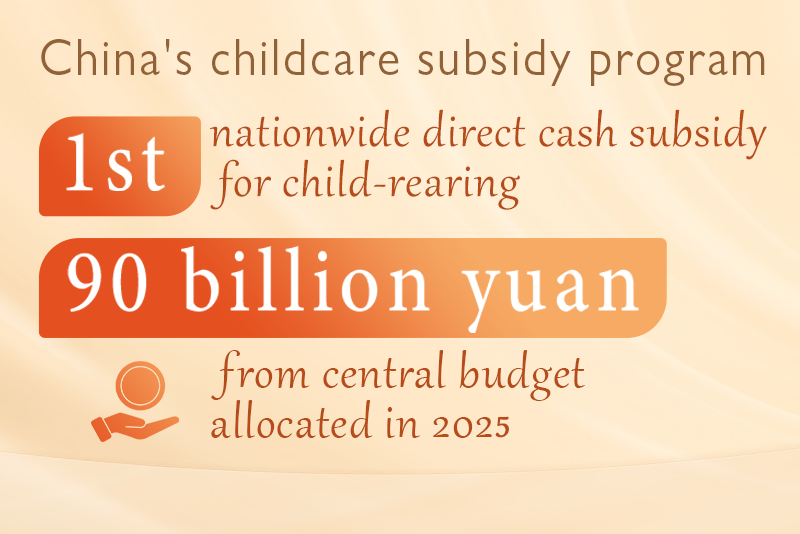
First, we are establishing a transfer payment program. According to the child care subsidy system implementation plan issued by the General Office of the CPC Central Committee and the General Office of the State Council, the central government will establish a shared fiscal responsibility transfer payment program titled "Child Care Subsidy Fund" with an initial budget of approximately 90 billion yuan this year. To fund national basic subsidies, the central government will provide proportional subsidies to local governments. In general, the central government will bear about 90% of the total cost. This demonstrates both the central government's firm commitment to this initiative and its substantial support for local governments while reinforcing local administrative responsibilities.
Second, we are strengthening fund management and supervision. The implementation plan requires that the child care subsidy system operate safely and compliantly while remaining simple and accessible, with strict eligibility reviews, standardized distribution, improved efficiency, secure funding, and active public oversight. Soon, the Ministry of Finance will work with the NHC to release management guidelines for child care subsidy funds. These measures will clarify specific requirements for fund allocation, use, management, and supervision. We will also refine and standardize the fund allocation process and clearly define responsibilities at all levels. The two departments will implement comprehensive budget and performance oversight for the subsidy funds, including performance monitoring and evaluation mechanisms, to ensure effective management and use of fiscal resources.
Third, we are clarifying relevant preferential policies. The implementation plan stipulates that child care subsidies issued in accordance with system regulations will be exempt from individual income tax. Additionally, these subsidies will not count as household or individual income when determining eligibility for social assistance programs like subsistence allowances and programs for people living in extreme hardship. The government previously introduced a special additional individual income tax deduction for child care expenses for children under 3, allowing deductions of 2,000 yuan per child per month. Together with the child care subsidy system, these policies will collectively reduce the financial burden of childbearing and child-rearing for families.
At present, finance departments at all levels are working hard with health authorities on funding calculations and allocations. The child care subsidy system is a major decision and arrangement by the CPC Central Committee and the State Council in response to public expectations. We will collaborate with health departments to oversee the entire process from application to distribution to ensure that every subsidy reaches its intended recipients. Thank you.
_ueditor_page_break_tag_Dazhong Daily:
Since the announcement of the child care subsidy program, many parents of infants and toddlers have shown keen interest in subsidy distribution. When can child care subsidies be applied for? How can they be applied for? What convenient measures are available for the public? Thank you.
Guo Yanhong:
Thank you for your questions. I would like to invite Mr. Wang to answer these.
Wang Haidong:
Thank you for your questions. People are indeed very interested in when the subsidies can be applied for. We are currently working with localities to advance the preparations in accordance with the requirements of the implementation plan for the childcare subsidy program. We are currently working with relevant departments to issue documents covering childcare subsidy system management regulations and fund management methods. Localities also need to formulate specific implementation plans based on their actual conditions. The state and localities have already completed construction of the childcare subsidy information management system and are conducting full-process testing. Local governments are organizing and equipping their workforces to train grassroots staff. According to the work plan, childcare subsidy applications will be gradually rolled out across China in late August, with full access expected by Aug. 31.
In terms of the application process, I'd like to introduce the following points: The subsidy can be applied for online through a unified national information system, allowing people to submit applications without leaving their homes. At the same time, offline channels and in-person services will also be available. Those who are unable to apply online due to special circumstances can do so by visiting the township or subdistrict office where the infant is registered. Applicants can choose the appropriate application channel based on their actual situation.
In addition, measures have been introduced to make the application process easier. First, we have worked to simplify the application materials as much as possible. We have established an information sharing mechanism with departments such as the Ministry of Public Security, Ministry of Civil Affairs, and Ministry of Human Resources and Social Security, achieving big data comparison and verification. On this basis, we adhere to the principles of minimizing necessary procedures, allowing the data to do the work, and allowing everyone to submit as few materials as necessary. Notably, applicants only need to submit essential materials that verify the infant's identity and caregiving relationship — such as birth certificate and household register. Second, we have worked to broaden the application channels. A wide range of application channels will be available, including provincial-level government service platforms and third-party platforms such as Alipay and WeChat. These channels are all commonly used and can be conveniently accessed online via smartphone. People can use multiple channels to conveniently handle applications online via cellphone, achieving easy access to childcare subsidies without leaving home.
We will continuously improve work processes, optimize information systems and provide better services, striving to increase people's satisfaction. Thank you.
_ueditor_page_break_tag_China News Service:
In addition to the childcare subsidy program, what other measures have the MOF taken in recent years to build a birth support policy system? Thank you.
Guo Yang:
Thank you for your question. I will answer this one. In recent years, in accordance with the relevant decisions and deployments of the CPC Central Committee and the State Council, the MOF has actively played its functional role in formulating and carrying out a series of birth support policy measures with relevant departments, with a focus on the entire childbirth chain and the full life cycle, to strengthen support in births, parenting and education, medical care and housing, striving to foster a social environment that is friendly to having children.
First, we have worked to improve services to ensure good prenatal and postnatal care. Through basic public health service subsidy funds, we support providing health management, postpartum visits and newborn care guidance for expectant and new mothers, and providing services such as supplementary taking of folic acid and examinations for healthy childbirth for rural women, with 5.52 billion yuan allocated for 2025. Through birth defect intervention and assistance project funds, we support the implementation of birth defect detection, rescue , and prevention publicity, with 370 million yuan allocated for 2025.
Second, we have supported the development of maternal and child health care. Through major public health service subsidy funds, we support free immunization programs for eligible children and the prevention of mother-to-child transmission of diseases such as hepatitis B, with 5.22 billion yuan allocated for 2025. Through medical service and security capacity enhancement subsidy funds, we support the improvement of pediatric medical service capabilities, critical maternal and newborn diagnosis and treatment capabilities, and strengthen the training of urgently needed personnel such as pediatricians and grassroots obstetricians, with 1.11 billion yuan allocated for 2025. We support improving basic medical security system, with the per capita financial subsidy standard for urban and rural residents' medical insurance increased to 700 yuan in 2025.
Third, we have worked to establish an inclusive childcare service system that benefits all families. Since 2023, we have worked with the NHC to implement a demonstration project to enhance inclusive childcare services for universal benefit, with a total of 3 billion yuan spent by the central government. At the same time, through employment subsidy funds, we support local governments in conducting vocational skills training for infant and toddler care service personnel, including kindergarten workers and childcare workers. We provide tax and fee incentives in terms of income tax, value-added tax and deed tax for working parents as well as their employers and community childcare service institutions.
In addition, the MOF also supports the expansion and improvement of educational resources through relevant transfer payment funds in the field of education; and supports local governments in supporting eligible families with multiple children to purchase homes through subsidies for urban affordable housing projects.
Going forward, the MOF will continue to implement investment policies, strengthen funding guarantees, cooperate with relevant departments to enhance the policy system for birth support, and foster a social atmosphere that is friendly to having children. Thank you.
_ueditor_page_break_tag_CCTV:
As Ms. Guo just mentioned, in October last year, the General Office of the State Council issued measures on accelerating the improvement of the birth support policy system and promoting the establishment of a birth-friendly society. What progress has been made in developing the current birth support policy system? Thank you.
Guo Yanhong:
Thank you for your question. I'll answer this. Last year, the General Office of the State Council issued measures on accelerating the improvement of the birth support policy system and promoting the establishment of a birth-friendly society, which put forward a package of 13 targeted birth support measures in four key areas. The NHC, together with relevant departments, has earnestly implemented these measures, accelerating the effective rollout of the improved birth support policy system and making positive progress.
In terms of financial support, China has introduced multiple measures to reduce the costs of childbirth, childcare and education for families. Expenses for the care of children under 3 years old have been included in the special additional deduction for individual income tax, with the deduction standard raised to 2,000 yuan per child per month. The level of medical expense coverage for childbirth has been improved and the coverage of maternity insurance has been expanded, with maternity benefits now directly given to individuals. These measures have been widely welcomed by the public. In terms of leave support, the maternity leave system has been further improved. Most provinces, autonomous regions and municipalities have extended maternity leave to 158 days or more. In addition, approximately 15 days of paternity leave for spouses and five to 20 days of parental childcare leave have been introduced. In terms of childcare services, the childcare service system has been further improved, with a particular focus on expanding the supply of inclusive childcare services. Efforts have been made to promote integrated childcare and early childhood education services, and to develop various forms of childcare services, such as community-based childcare and employer-provided childcare. By the end of last year, the number of daycare slots nationwide had reached 4.08 per 1,000 people. In terms of maternal and child health services, China has promoted basic medical and health care services throughout the entire childbirth process, expanded the coverage of labor analgesia services, and continued implementing the five key systems for maternal and infant safety. By the end of last year, the country’s maternal mortality rate had declined to 14.3 per 100,000 live births, and the infant mortality rate had dropped to 4.0 per 1,000 live births. These are the best levels ever recorded for China's core maternal and child health indicators, and the World Health Organization (WHO) has recognized China as one of the 10 best-performing countries in this area. To expand pediatric medical services, all secondary and tertiary public general hospitals across the country are required to offer pediatric care to better meet the health care needs of children. In terms of education support, local governments have expanded the supply of high-quality educational resources, thoroughly implemented the "double reduction" policy aimed at effectively easing the excessive homework and off-campus tutoring burden on students in compulsory education, and promoted the balanced development of compulsory education. Recently, an executive meeting of the State Council made arrangements to gradually introduce free preschool education to help ease the financial burden of education on families. Many local governments have introduced policies that allow children from the same family to attend the same school, making it more convenient for parents to drop off and pick up their children. In terms of housing support, local authorities have expanded the supply of affordable rental housing through various channels to help address housing difficulties. In some areas, the maximum housing provident fund loan limit has been raised for families with multiple children. These measures, taken together, have produced tangible results that the public can clearly feel and benefit from.
Next, the NHC will work with relevant departments to ensure the effective implementation of existing policies. At the same time, it will strengthen forward-looking research and policy reserves, continuously enrich and improve the toolbox of birth support policies, further ease the burden on families related to childbirth, parenting and education, and promote the development of a birth-friendly society. Thank you.
_ueditor_page_break_tag_Jimu News:
We have noticed that the ACFTU has provided subsidies for the past three years to family-friendly employers that offer childcare services. What role has the trade union played in building the birth support policy system? And what has been the outcome? Thank you.
Liu Hongmei:
Thank you for your questions. The ACFTU has resolutely implemented the major decisions and plans of the CPC Central Committee and always adhered to the worker-centered approach, actively participating in the development of a birth support policy system.
First, we have strengthened the protection system for safeguarding female employees' maternity-related rights and interests. This year, the Standing Committee of the National People's Congress (NPC) conducted a compliance inspection on the implementation of the Trade Union Law, which included the protection of female employees' rights and interests in areas such as employment, rest and leave, and workplace health and safety. In 2021, the ACFTU participated in a special law enforcement campaign on protecting female employees' rights, which was led by the Ministry of Human Resources and Social Security (MOHRSS) in collaboration with the NHC and the NHSA. The campaign focused on inspecting 86,000 employers across the country to assess their protection of female workers' rights, including maternity leave. At the same time, the ACFTU enhanced its involvement in the policymaking process. To date, several provinces and autonomous regions in China have enacted local legislation on the labor protection of female workers, including more detailed provisions on maternity leave and protection during the "four phases" (menstruation, pregnancy, childbirth and breastfeeding). In recent years, an extensive legal awareness campaign under the theme “Caring for Women Workers — The Law Is by Your Side” has been carried out across the country, with a focus on promoting equal employment and maternity protection. More than 20 million people have participated in the campaign.
Second, efforts have been made to address the challenges of childcare and support employers in providing childcare services and cultivating relevant talent. From 2022 to 2024, the ACFTU, in collaboration with the NHC, organized the nationwide selection of caring employers providing childcare services for three consecutive years, allocating a total of 22.5 million yuan in subsidies to 300 selected employers. This year, the ACFTU made special arrangements to further promote employer-provided childcare services, adopting a targeted and localized approach. It has strongly supported qualified employers, including government agencies, public institutions, state-owned enterprises and industrial parks, in setting up childcare facilities. In terms of funding support, it was clarified that the necessary expenditures for offering affordable childcare services to the children of employees may be covered by staff welfare funds in accordance with relevant regulations, and trade union funds of the employers may also be used as supplementary support. In terms of the development of childcare services talent, in 2024, the ACFTU, together with the NHC, the All-China Women’s Federation (ACWF), and other relevant organizations, held a vocational skills competition for childcare services. The 2025 National Vocational Skills Competition for Employee Childcare Services will be held in late October to help improve professional skills and service standards across the sector.
Third, we have created a supportive environment by building family-friendly workplaces. The ACFTU, in conjunction with the MOHRSS, the NHC and three other departments, is promoting the implementation of "six friendly standards" for employers. These standards include supportive attitudes, career development, maternity protection, child care support, work arrangements and occupational health. The initiative has released 100 model cases of family-friendly workplaces. At the same time, we encourage trade unions at all levels to provide child care services for employees, organize employee social networking activities, establish rest and nursing rooms for female employees, and advance the development of family-friendly workplaces.
Next, the ACFTU will strengthen cooperation with the NHC and other relevant departments to continue promoting employer-provided child care services and the protection of female employees' rights and interests. The federation will also expand service coverage, improve service quality, and support the development of policies to boost the birth rate. Thank you.
_ueditor_page_break_tag_Cover News:
In recent years, the NHSA has actively stepped up maternity support, raised coverage levels for maternity-related medical expenses, and undertaken extensive work to improve the maternity insurance system. Could you give us more details on these efforts? Thank you.
Liu Juan:
Thank you for your question and for your interest in the NHSA's work. The maternity insurance system, as an important component of the childbirth support policy framework, bears significant responsibility for helping build a childbirth-friendly society. The NHSA has resolutely implemented the decisions and arrangements of the CPC Central Committee and the State Council, actively responded to public concerns, and continued to make efforts in expanding coverage, strengthening protections, promoting standardization, optimizing services and tightening management. These efforts ensure policy benefits reach more families with children. We have taken four specific measures.
First, we have focused on expanding maternity insurance coverage. We have made every effort to ensure that all employees and those receiving unemployment insurance benefits are fully enrolled. We will continue to guide local authorities to include flexible workers, migrant workers and workers in new forms of employment within the scope of maternity insurance coverage. As of June 2025, the number of people covered by maternity insurance had reached 253 million.
Second, we have focused on improving coverage levels for maternity medical expenses. We have adhered to a demand-oriented approach, providing basic protection for female employees during maternity leave through reimbursement of maternity medical expenses and maternity allowances. Maternity medical expenses are now covered throughout the entire process, from the full term of pregnancy to delivery. Maternity allowances function as wage replacement for insured female employees during maternity leave. They are paid through maternity insurance to cover living expenses and ensure that infants receive the necessary care and nursing. During the 14th Five-Year Plan period, insured individuals have received maternity insurance benefits 96.14 million times, with cumulative fund expenditures totaling 438.3 billion yuan.
Third, we have focused on expanding the scope of protection. Actively responding to public concerns, all 31 provinces, autonomous regions and municipalities, as well as the Xinjiang Production and Construction Corps, have fully incorporated assisted reproductive technology into their reimbursement programs. As of 2024, more than 1 million people had benefited from this policy, and thousands of families fulfilled their dream of having children. Some provinces have included labor pain relief in their reimbursement programs, reducing both the financial burden and physical pain for expectant and new mothers. At the same time, we have expedited the approval process for pricing projects such as newborn care and family-accompanied childbirth to improve pediatric and obstetric services and better meet the public's diverse needs for childbirth services.
Fourth, we have focused on improving service management. We have optimized one-stop childbirth services and explored mechanisms that allow newborns to be automatically enrolled in basic medical insurance when their birth certificates are issued, ensuring immediate access to insurance benefits. We have further reduced procedures, simplified required materials and shortened processing times, completing review and payment of maternity allowances within 10 working days. We have actively promoted the direct distribution of maternity allowances to individuals, enabling insured people to receive timely financial support during childbirth. Currently, more than 60% of the coordinated regions nationwide have implemented direct distribution of maternity allowances to individuals.
Next, we will continue to thoroughly implement the decisions and arrangements of the CPC Central Committee and the State Council, actively adapt to the national demographic situation and development strategies, and guide local authorities in actively exploring and improving relevant policies. We will better safeguard the maternity-related rights and interests of insured persons and jointly promote the construction of a birth-friendly society.
Thank you.
_ueditor_page_break_tag_Dingduan News:
Previously, some regions have explored and implemented local child care subsidy policies, with some local standards exceeding the current national baseline. How will these local policies be aligned with national regulations, and will allowances continue to be issued in areas where local standards are higher? Thank you.
Guo Yanhong:
Thank you for your questions. I will answer them. In recent years, some places in the country have explored and implemented childcare subsidy policies based on local conditions, achieving positive results. After the introduction of the national child care subsidy system, efforts should be made to strengthen policy coordination and ensure that local measures are standardized and aligned in an orderly manner. This involves three key principles and considerations:
First, the state establishes the system, and local authorities implement it accordingly. The state has established the child care subsidy system, achieving nationwide coverage, while setting a national basic standard of 3,600 yuan per child per year until the age of three. Localities that previously had no child care subsidy policies, limited subsidy coverage, or subsidy standards below the national level must implement unified policies according to the national subsidy scope and baseline standards to achieve equitable policy coverage and ensure policy fairness.
Second, policy consistency should be ensured, and people's interests should be protected. For child care subsidy policies already implemented, local governments should develop specific transition plans to ensure orderly alignment between local policies and the national system. Throughout this process, people's vital interests must be effectively protected. Localities with subsidy standards that exceed the national baseline may continue their current programs after completing the required evaluation and registration procedures.
Third, we will strengthen policy coordination and enhance sustainability. The implementation plan clearly states that all provinces shall implement unified child care subsidy policies and standards at the prefecture level. In provinces with minor regional differences, a single, policy and standard can be applied across the entire province. This means that child care subsidy policies must be coordinated at least at the prefecture level. Raising the level of policy coordination helps avoid policy fragmentation and effectively enhances policy stability and sustainability.
At the same time, we must recognize that supporting childbirth is a systematic undertaking that encompasses a comprehensive package of policy measures, including financial, service, time and cultural support. Localities can implement various measures based on their actual conditions, working in concert with the child care subsidy system to form a comprehensive family support policy package. This will better alleviate the burden of childbearing, child-rearing and education on families. Thank you.
Zhou Jianshe:
One last question, please.
_ueditor_page_break_tag_National Business Daily:
Previously, some localities in China explored providing child care subsidies, but most only targeted second and third children, leaving families with only one child unable to benefit. What was the consideration for including firstborns in the national subsidy program? Thank you.
Guo Yanhong:
Thank you for your question. Mr. Wang will answer this.
Wang Haidong:
Thank you for your question. In recent years, some places have experimented with child care subsidies, accumulating a lot of experience and providing useful references for the formulation of the national child care subsidy system. Overall, these local policies are in the preliminary exploration stage, and most didn't include first children in the subsidy coverage. During the research and development process for the national child care subsidy system, we worked with relevant departments to conduct in-depth research and sought broad feedback on issues such as who should be eligible for subsidies. There was a broad consensus that support for families with only one child should be strengthened.
The decision to include first-borns in the national child care subsidy system was based on two main considerations: First, families with one child constitute the majority. More than half of all births each year are first children. Therefore, by including them in the subsidy scope, we can ensure broad coverage and maximize the number of families that can benefit from the child care subsidy system. Second, having a child is a major milestone for any family. Having a first child is the beginning and foundation of a family's childbearing journey and represents a critical stage that particularly needs support. Providing child care subsidies for first children can improve a family's childbearing experience, reduce child care pressures and encourage families to consider having more children. Thank you.
Zhou Jianshe:
Today's press conference is hereby concluded. Thank you to our speakers and to all the journalists. Goodbye.
Translated and edited by Li Xiao, Yan Bin, Zhang Jiaqi, Ma Yujia, Liu Caiyi, Li Congrong, Yang Chuanli, Wang Qian, Fan Junmei, Li Huiru, David Ball, and Jay Birbeck. In case of any discrepancy between the English and Chinese texts, the Chinese version is deemed to prevail.

/7 Zhou Jianshe
/7 Guo Yanhong
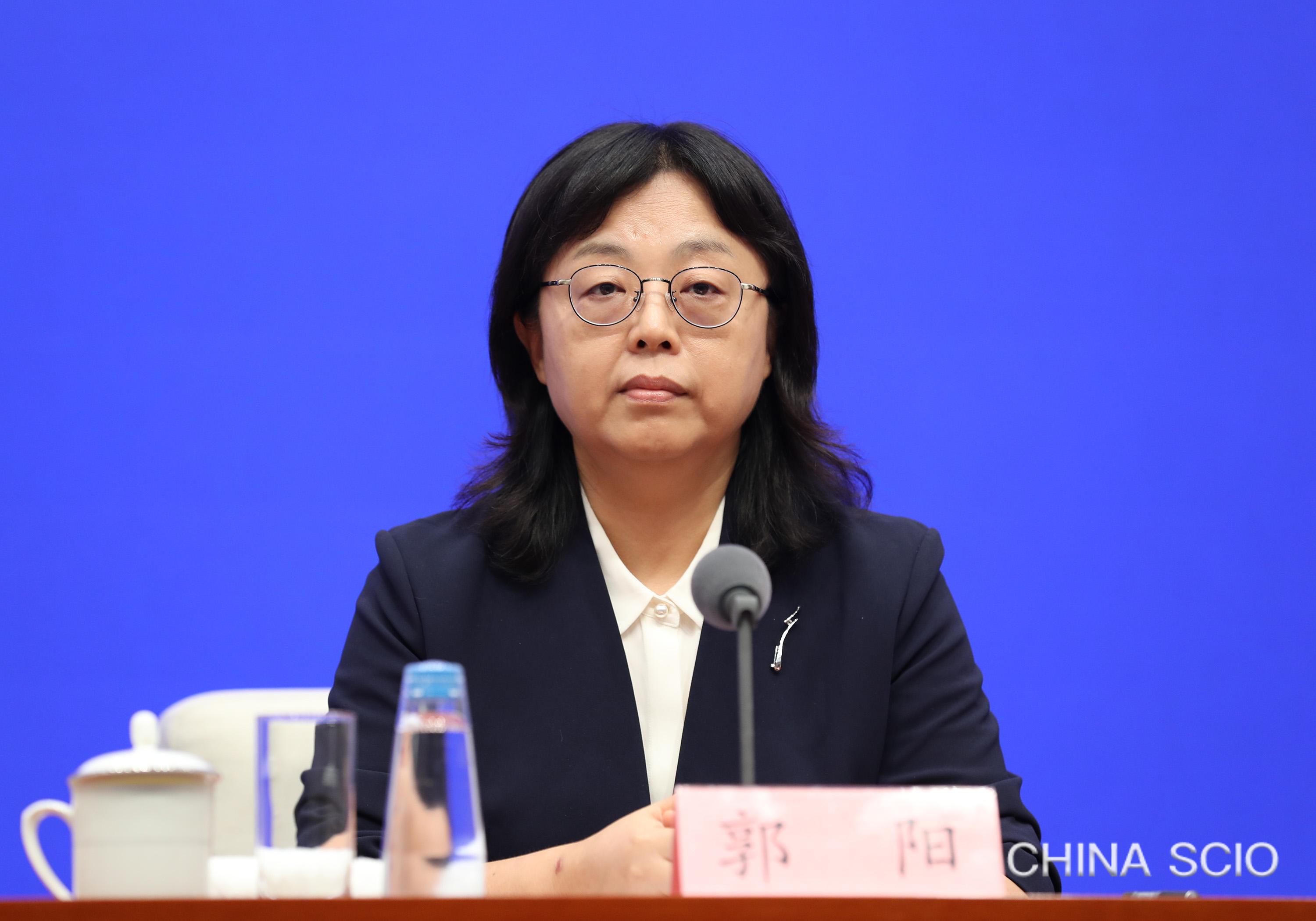
/7 Guo Yang
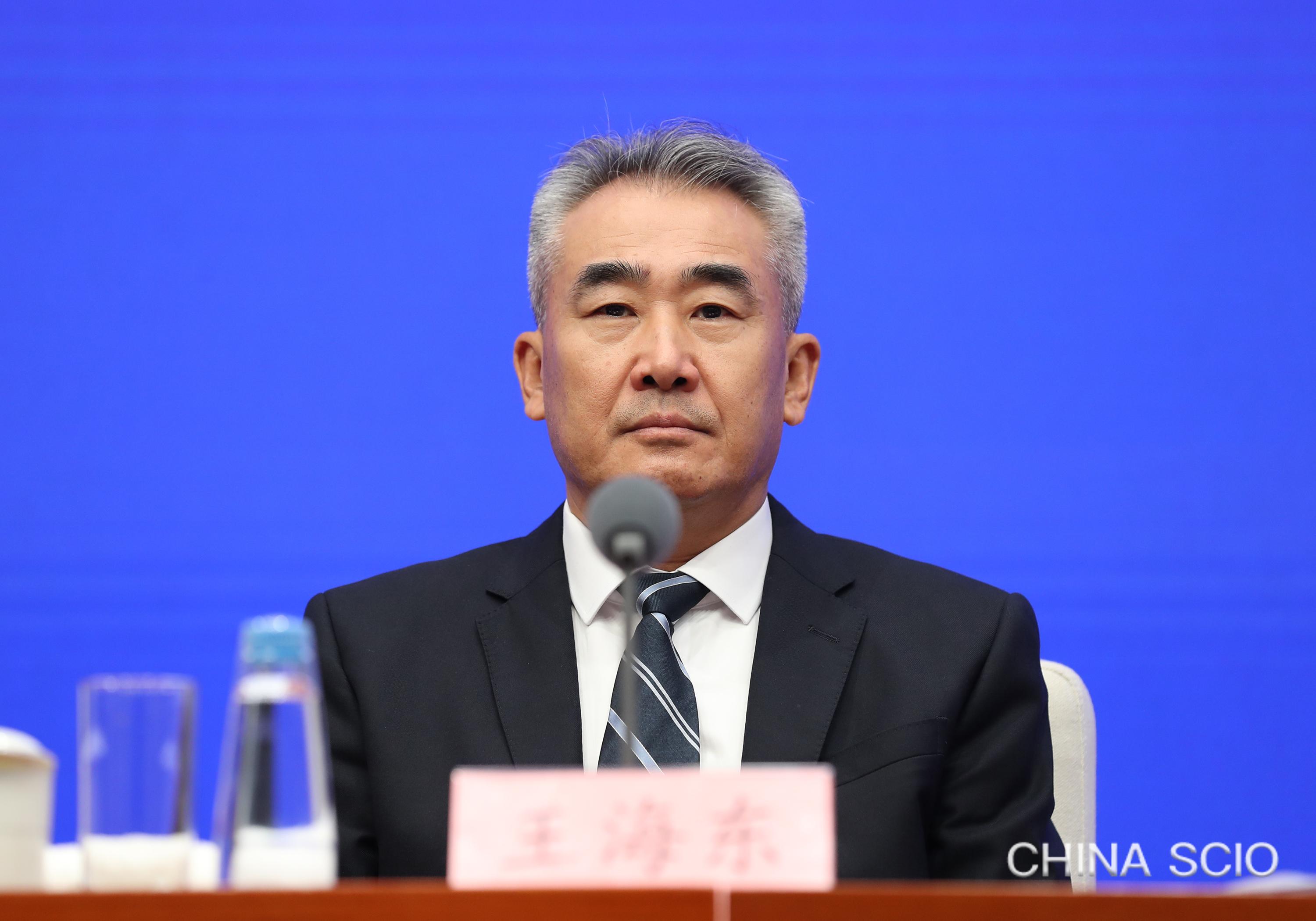
/7 Wang Haidong
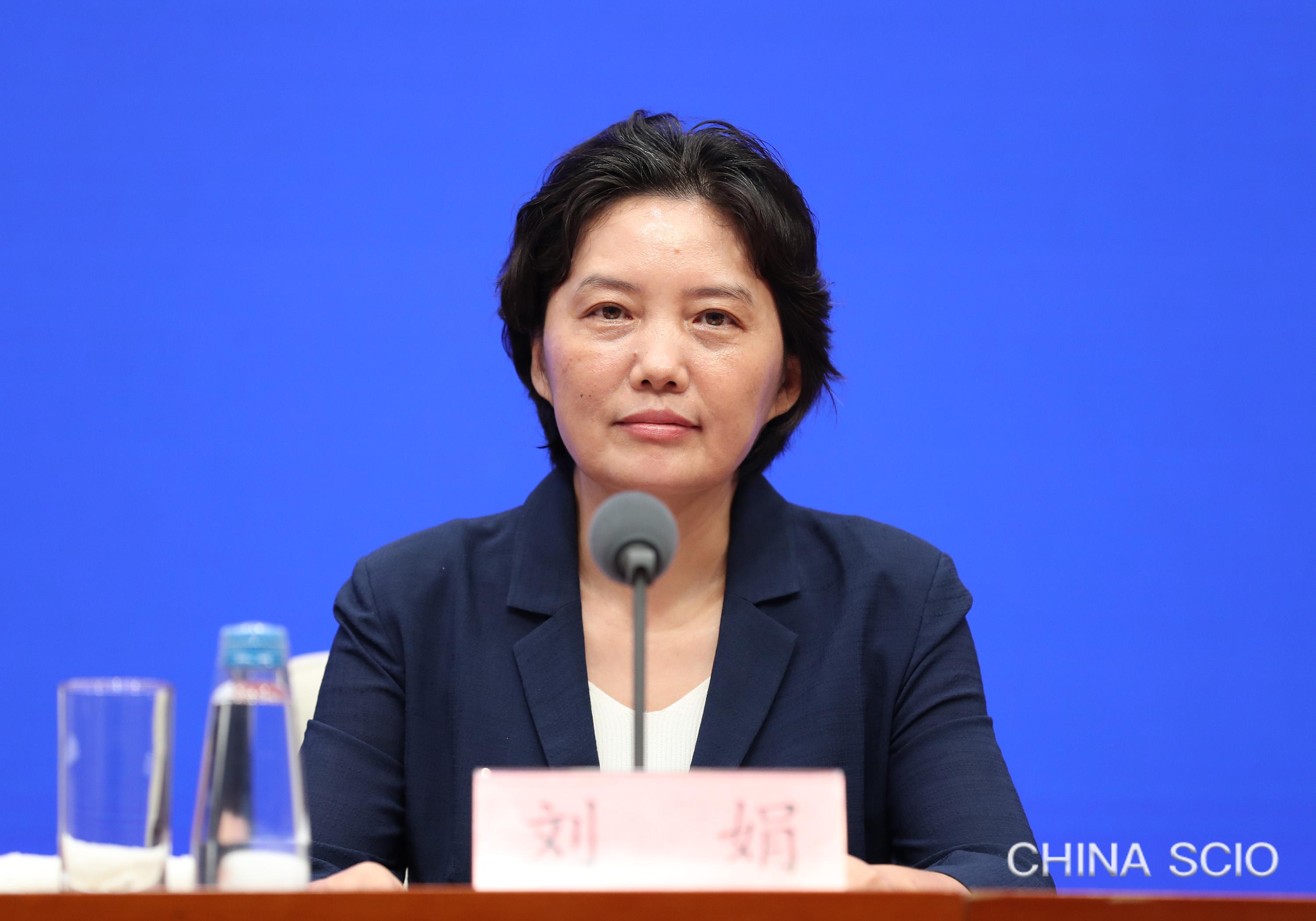
/7 Liu Juan
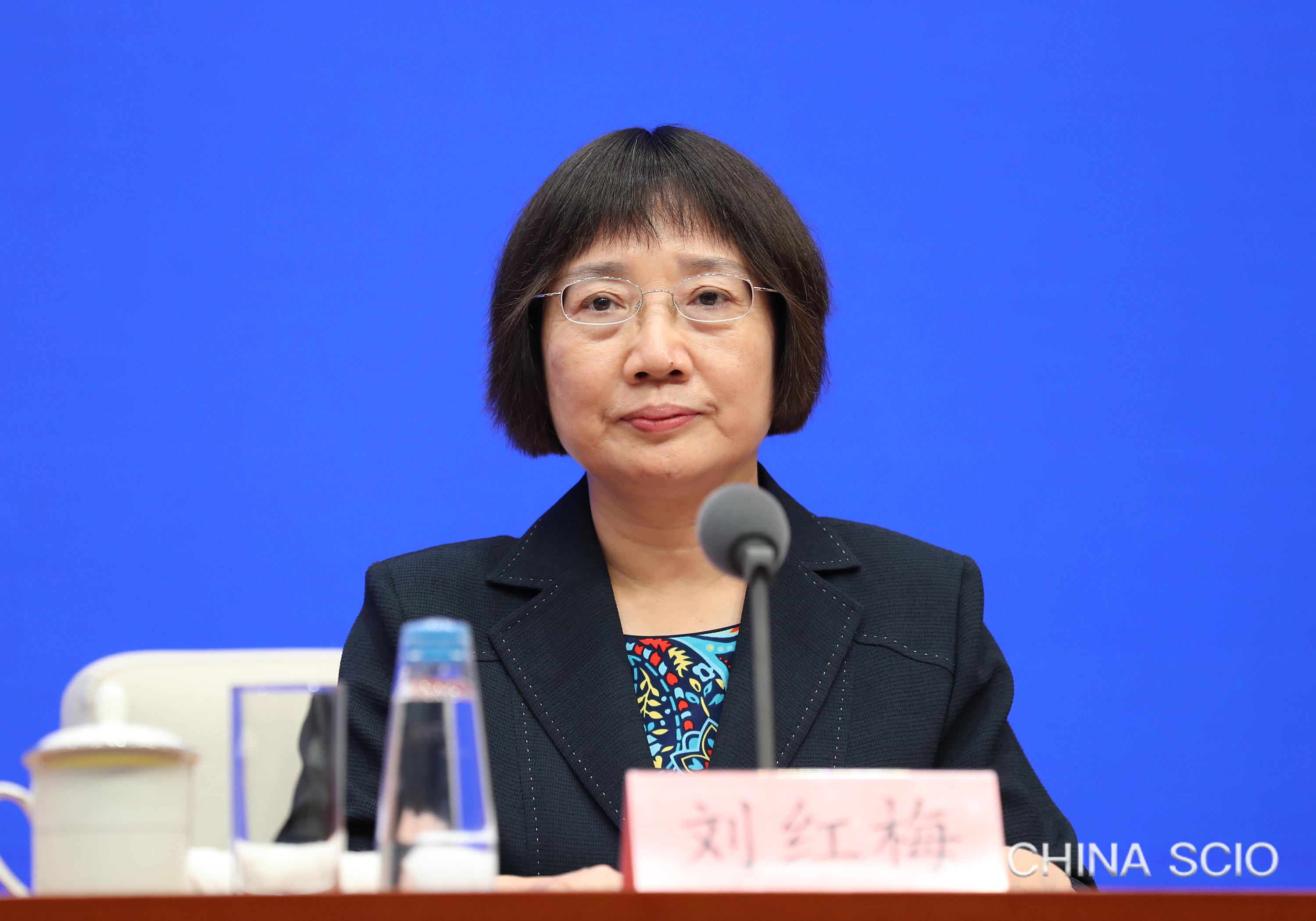
/7 Liu Hongmei
/7 Group photo
SCIO briefing on China's immigration management achievements during the 14th Five-Year Plan period
July 30, 2025SCIO briefing on tax reform and development in the 14th Five-Year Plan period
July 28, 2025SCIO briefing on preparations for the 15th National Games
July 25, 2025