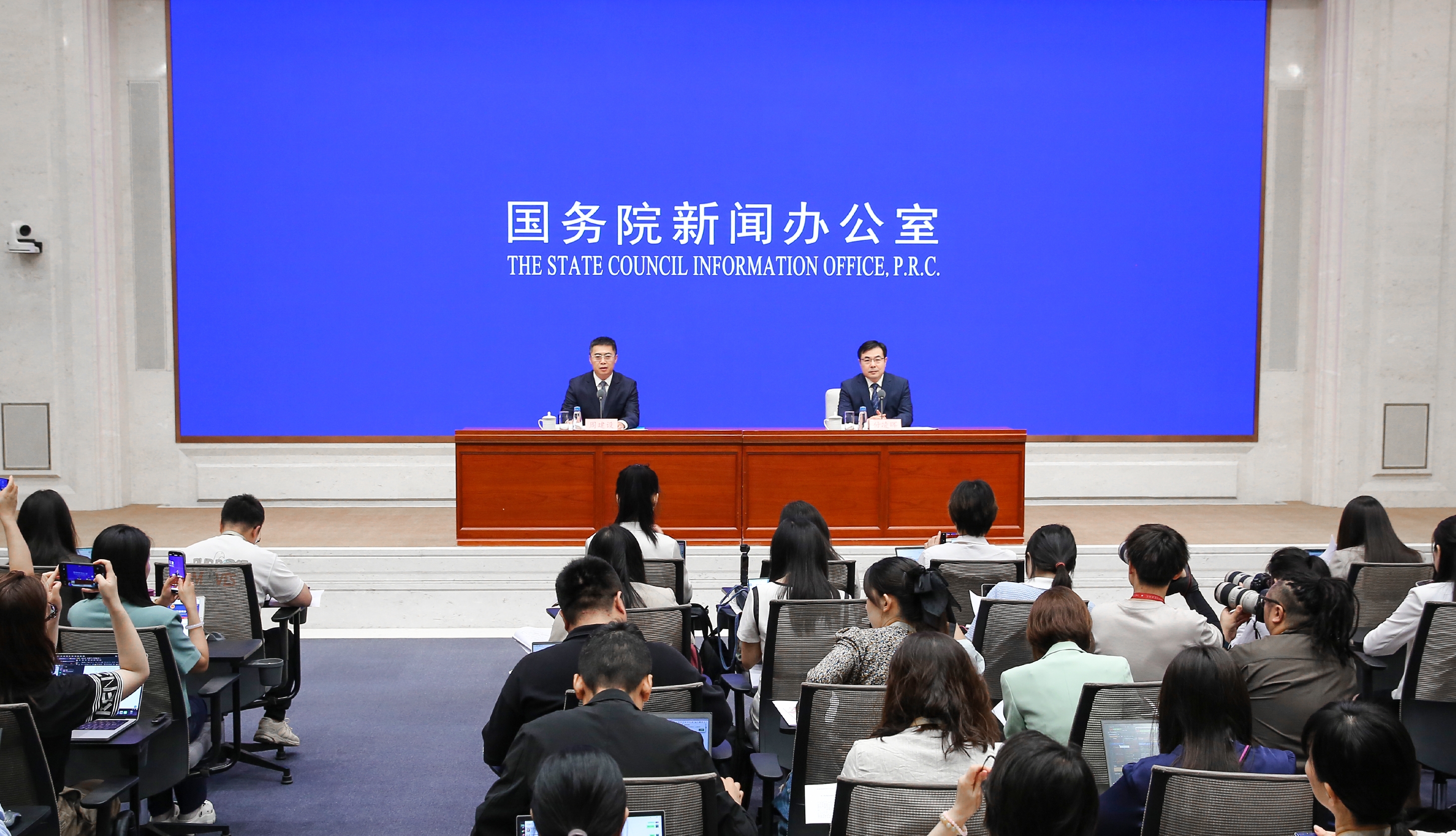

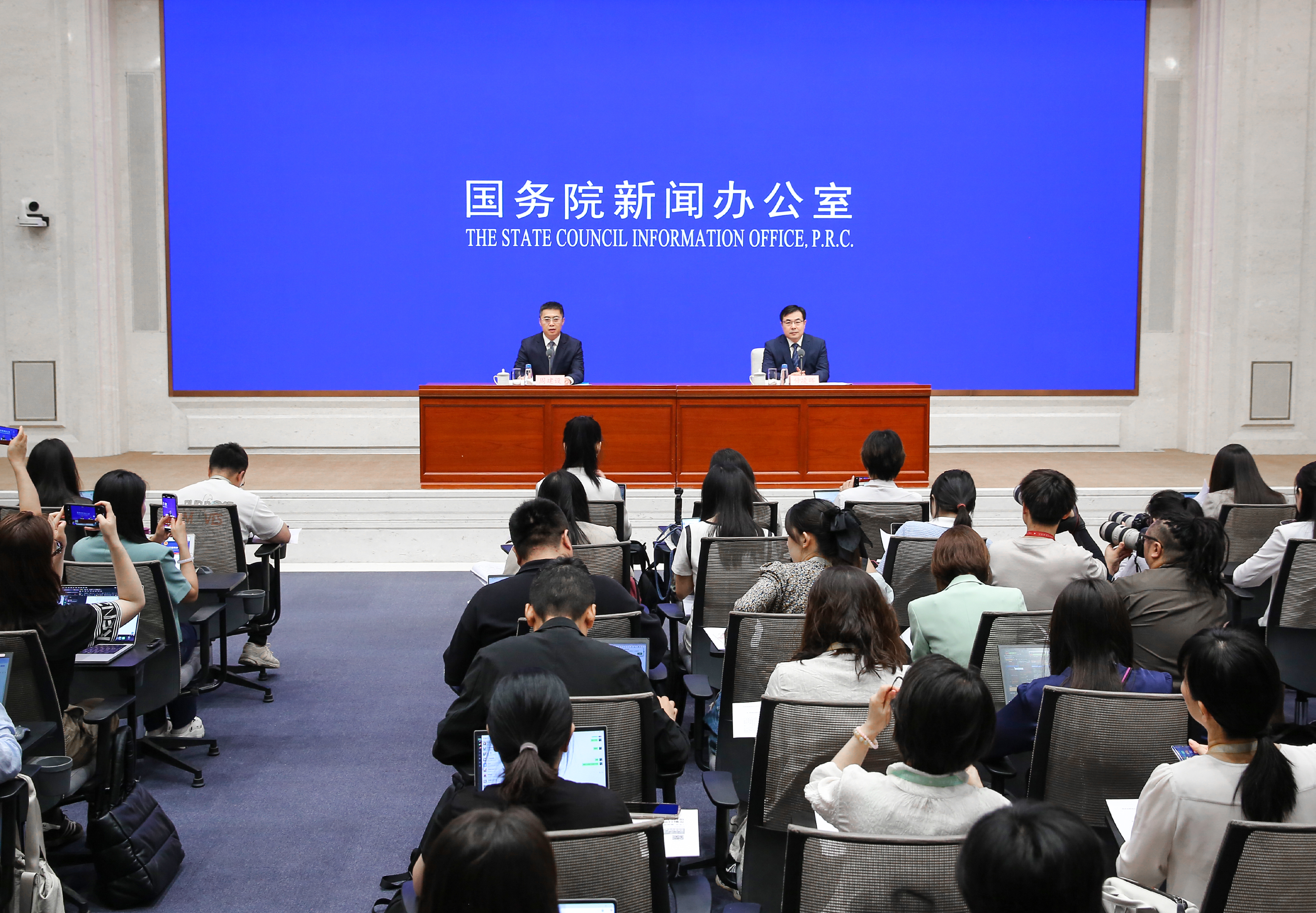
SCIO briefing on China's economic performance in May 2025
Beijing | 10 a.m. June 16, 2025
Speaker

Fu Linghui, spokesperson of the National Bureau of Statistics (NBS) and director general of the Department of Comprehensive Statistics of the NBS
Chairperson
Speaker:
Mr. Fu Linghui, spokesperson of the National Bureau of Statistics (NBS) and director general of the Department of Comprehensive Statistics of the NBS
Chairperson:
Zhou Jianshe, deputy director general of the Press Bureau of the State Council Information Office (SCIO) and spokesperson of the SCIO
Date:
June 16, 2025
Zhou Jianshe:
Ladies and gentlemen, good morning. Welcome to this press conference held by the State Council Information Office (SCIO). This is a regular briefing on China's economic data. Today, we are joined by Mr. Fu Linghui, spokesperson of the National Bureau of Statistics (NBS) and director general of the Department of Comprehensive Statistics of the NBS. Mr. Fu will brief you on China's economic performance in May 2025 and then take your questions.
Now, I'll give the floor to Mr. Fu.
Fu Linghui:
Ladies and gentlemen, good morning. I am very pleased to attend today's press conference. I will start by briefing you on the main economic indicators for this May and then take your questions.
In May, China's economy remained stable while making further progress.
In May, under the strong leadership of the Party Central Committee with Comrade Xi Jinping at its core, all regions and departments conscientiously implemented the decisions and deployments of the Party Central Committee and the State Council. Adhering to the general principle of seeking progress while maintaining stability, we fully and accurately implemented the new development philosophy on all fronts, accelerated the construction of the new development pattern, solidly promoted high-quality growth, and accelerated the implementation of more proactive and effective macro policies. The national economy withstood the pressure and operated steadily, with production demand growing steadily, employment remaining stable, new drivers of growth becoming stronger, and high-quality development moving toward excellence and innovation.
First, industrial production registered stable growth and equipment manufacturing and high-tech manufacturing grew quickly.
In May, the total value added of industrial enterprises above designated size grew by 5.8% year on year, or 0.61% month on month. In terms of sectors, the value added of mining went up by 5.7% year on year, manufacturing up by 6.2%, and the production and supply of electricity, thermal power, gas and water up by 2.2%. The value added of equipment manufacturing increased by 9.0% year on year, and that of high-tech manufacturing increased by 8.6%, which were 3.2 percentage points and 2.8 percentage points faster than that of the total value added by industrial enterprises above designated size. In terms of ownership, the value added of state holding enterprises increased by 3.8% year on year; that of share-holding enterprises increased by 6.3%; that of enterprises funded by foreign investors or investors from Hong Kong, Macao and Taiwan increased by 3.9%; and that of private enterprises increased by 5.9%. In terms of products, the outputs of 3D printing devices, industrial robots and new energy vehicles (NEVs) grew by 40.0%, 35.5% and 31.7% year on year, respectively. In the first five months, the total value added of industrial enterprises above designated size went up by 6.3% year on year. In May, the manufacturing purchasing managers' index (PMI) stood at 49.5%, an increase of 0.5 percentage point from the previous month. The production and operation expectation index was 52.5%, up by 0.4 percentage point. In the first four months, the total profits made by industrial enterprises above designated size were 2.117 trillion yuan, up by 1.4% year on year.
Second, the service sector grew quickly, with the modern services sector gaining momentum.
In May, the index of services production (ISP) increased by 6.2% year on year, 0.2 percentage point faster than that of the previous month. In terms of sectors, that of information transmission, software and information technology services, and leasing and business services, wholesales and retails grew by 11.2%, 8.9% and 8.4% year on year, respectively, which were 5.0 percentage points, 2.7 percentage points and 2.2 percentage points faster than that of the ISP. In the first five months, the ISP increased by 5.9% year on year. In the first four months, the business revenue of service enterprises above designated size went up by 7.2% year on year. In May, the business activity index for the service sector was 50.2%, up 0.1 percentage point from the previous month; and the business activity expectation index was 56.5%, rising by 0.1 percentage point. Specifically, the business activity index for sectors like railway transportation, air transportation, postal service, telecommunication, broadcast, television and satellite transmission services, internet software and information technology services, stayed within the high expansion range of 55.0% and above.
Third, market sales recovered and sales of products under the trade-in program grew rapidly.
In May, the total retail sales of consumer goods was 4.1326 trillion yuan, up by 6.4% year on year, 1.3 percentage points faster than that of April; or up by 0.93% month on month. Analyzed by different areas, the retail sales of consumer goods in urban areas reached 3.6057 trillion yuan, up by 6.5% year on year; and that in rural areas reached 526.9 billion yuan, up by 5.4%. Grouped by consumption patterns, the retail sales of goods were 3.6748 trillion yuan, up by 6.5%; and the income of catering was 457.8 billion yuan, up by 5.9%. Sales of basic living goods and some upgraded products showed good growth. Retail sales in units above designated size of grain, oil and food products, jewelry, and sports and entertainment goods grew by 14.6%, 21.8% and 28.3%, respectively. The effect of trade-in of consumer goods continued to show results, with the retail sales of household appliances and audiovisual equipment, communication equipment, cultural and office supplies, and furniture by enterprises above designated size growing by 53.0%, 33.0%, 30.5% and 25.6%, respectively. In the first five months, the total retail sales of consumer goods reached 20.3171 trillion yuan, up by 5.0% year on year. Online retail sales reached 6.0402 trillion yuan, up 8.5% year on year. Specifically, the online retail sales of physical goods were 4.9878 trillion yuan, up 6.3%, accounting for 24.5% of the total. In the first five months, the retail sales of services grew by 5.2% year on year.
Fourth, fixed-asset investment continued to expand, with manufacturing investment growing fast.
In the first five months, fixed-asset investment (excluding rural households) reached 19,194.7 billion yuan, up 3.7% year on year. Excluding real estate development investment, fixed-asset investment grew 7.7%. By sector, investment in infrastructure grew 5.6% year on year, manufacturing investment rose 8.5%, and real estate development investment fell 10.7%. Nationwide, sales of newly built commercial buildings totaled 353.15 million square meters, down 2.9% year on year. Sales of newly built commercial buildings were 3,409.1 billion yuan, a decrease of 3.8%. By sector, primary industry investment grew 8.4% year on year, secondary industry investment rose 11.4%, and tertiary industry investment fell 0.4%. Private investment was flat from a year earlier. Excluding investment in real estate development, private investment increased 5.8%. Within high-tech industries, investment in information services rose 41.4% year on year; investment in aerospace vehicle and equipment manufacturing grew 24.2%; investment in computer and office device manufacturing increased 21.7%; and investment in professional technical services climbed 11.9%. In May, fixed-asset investment (excluding rural households) increased 0.05% month on month.
Fifth, goods imports and exports continued to grow, and the trade structure kept improving.
In May, total goods imports and exports reached 3,809.8 billion yuan, up 2.7% year on year. Of this total, exports hit 2,226.7 billion yuan, up 6.3%, while imports were 1,533.1 billion yuan, down 2.1%. In the first five months, total goods imports and exports reached 17,944.9 billion yuan, up 2.5% year on year. Of this total, exports reached 10,668.2 billion yuan, up 7.2%, while imports were 7,276.7 billion yuan, down 3.8%. In the first five months, general trade imports and exports grew 0.8%, accounting for 64.2% of the total trade value. Imports and exports by private enterprises grew by 7% year on year, accounting for 57.1% of the total trade value, up 2.4 percentage points from the same period last year. Exports of mechanical and electrical products grew 9.3% year on year, accounting for 60% of the total export value.
Sixth, employment remained generally stable and the surveyed urban unemployment rate declined.
In the first five months, the average surveyed urban unemployment rate was 5.2%. In May, the surveyed urban unemployment rate was 5%, down 0.1 percentage point from the previous month. The surveyed unemployment rate for people with local household registration was 5%, and the rate for those with non-local household registration was also 5%. The rate for people with non-local agricultural household registration was 4.9%. The surveyed urban unemployment rate in 31 major cities was 5%, down 0.1 percentage point from April. The average weekly working hours for employees at enterprises nationwide was 48.5 hours.
Seventh, consumer prices remained low, while the core consumer price index (CPI) rebounded modestly.
In May, the CPI fell 0.1% year on year and 0.2% month on month. By category, prices for food, tobacco and alcohol rose 0.1% year on year; clothing prices increased 1.5%; housing prices were up 0.1%; prices for household goods and services rose 0.1%; transportation and communication prices fell 4.3%; education, culture and entertainment prices increased 0.9%; health care prices rose 0.3%; and prices for other goods and services jumped 7.3%. In terms of food, tobacco and alcohol prices, fresh vegetable prices fell 8.3%, grain prices dropped 1.4%, pork prices rose 3.1%, and fresh fruit prices increased 5.5%. The core CPI, which excludes food and energy prices, went up 0.6% year on year, 0.1 percentage point higher than that of the previous month. In the first five months, the CPI dipped 0.1% year on year.
In May, the national producer price index (PPI) fell 3.3% year on year and 0.4% from the previous month. Purchasing prices for industrial producers dropped 3.6% year on year and 0.6% from the previous month. In the first five months, both the national PPI and the purchasing price index for industrial products fell 2.6% from a year earlier.
Overall, in May, as the effects of a combined policy package continued to materialize, efforts to stabilize the economy and promote growth showed clear results. The national economy maintained a generally stable trajectory with steady progress, fully demonstrating its resilience and vitality. It should also be noted that there are many external uncertainties and destabilizing factors, domestic demand's internal growth momentum still needs to be strengthened, and the foundation for sustained economic recovery and improvement needs to be further consolidated. Moving ahead, we must adhere to the guidance of Xi Jinping Thought on Socialism with Chinese Characteristics for a New Era, resolutely implement the decisions and deployments of the CPC Central Committee and the State Council, and adhere to the general principle of pursuing progress while ensuring stability. We must fully and accurately implement the new development philosophy, accelerate the construction of a new development paradigm, coordinate domestic economic work with international economic and trade efforts, and unswervingly handle our own affairs well. We will give greater priority to the expansion of domestic demand and the strengthening of the domestic economic cycle, concentrate on stabilizing employment and the economy, and promote high-quality development to advance sustained and healthy economic development. Thank you.
Zhou Jianshe:
Thank you, Mr. Fu. The floor is now open for questions. Please identify your media outlet before asking your question.
_ueditor_page_break_tag_National Business Daily:
We have observed that in May, the impact of international factors and new drivers of domestic consumption continued to grow and interact. Based on the data for May, what trends or characteristics stood out in China's economic performance? How would you evaluate it? Thank you.
Fu Linghui:
In May, the international environment changed rapidly. Facing a complex situation, under the strong leadership of the CPC Central Committee, all regions and departments accelerated the implementation of more proactive and effective macroeconomic policies. They focused on stabilizing employment, enterprises, the market and expectations; worked to expand domestic demand; promoted the integration of technological and industrial innovation; strengthened the domestic economic cycle; and effectively responded to external changes. As a result, economic performance remained generally stable, some indicators continued to improve, new drivers of growth grew stronger, and the momentum of high-quality development persisted, demonstrating the strong resilience and vitality of China's economy. Mainly, the following characteristics stood out:
First, growth remained stable. With the support of various policies, enterprises actively adjusted and responded, leading to rapid growth in industrial production. In May, the value added of industrial enterprises above designated size increased 5.8% year on year, maintaining rapid growth. China has a complete industrial system, and key sectors such as equipment manufacturing have seen accelerated growth while advancing industrial upgrading. This has provided strong support for stable industrial expansion. In May, the value added of equipment manufacturers above designated size increased 9%, accounting for 54.3% of the growth of industrial production. The expansion of domestic consumption and increased holiday travel also drove faster growth in the service industry. The service production index rose 6.2% year on year in May, 0.2 percentage point faster than the previous month. Stable growth in production and supply provided strong support for meeting market demand and boosting economic growth.
Second, economic performance remained stable. To determine whether the economy is operating stably, it is important to examine changes in production and demand indicators, as well as employment and price trends. As for production and demand indicators, in May, the growth rates of key measures — such as the value added of industrial enterprises above designated size, the service production index, and total retail sales of consumer goods — remained generally stable, indicating overall stability in production and demand. From the perspective of employment, the national surveyed urban unemployment rate in May was 5%, down 0.1 percentage point from the previous month. From a price perspective, due to international factors and lower prices for some food items, the CPI in May declined slightly year on year, but the rate of decline was unchanged from the previous month. The increase in core CPI, which excludes food and energy, was higher than the previous month, indicating that market supply and demand remained generally balanced. These figures show that overall economic performance in May was steady.
Third, continued improvement was seen. While overall economic performance remained stable, macroeconomic policies continued to take effect, domestic demand expanded, production and supply increased, and some indicators showed further improvement. Boosted by consumer goods trade-ins and online sales promotions, sales growth has accelerated. In May, total retail sales of consumer goods increased 6.4% year on year, 1.3 percentage points faster than the previous month. In the first five months, retail sales of services increased 5.2%, 0.1 percentage point faster than in the first four months. Accelerated consumption growth, especially increased spending on services, boosted related service industries. In May, the production index for wholesale and retail rose 1.6 percentage points, while the index for accommodation and catering increased 0.9 percentage point from the previous month.
Fourth, multiple growth drivers emerged. China is at a critical stage of industrial upgrading and development. As innovation plays an increasingly prominent role, new drivers of growth, such as high-end manufacturing, the digital economy and new energy industries, continue to strengthen. This has supported industrial transformation and stable economic performance. The statistical data for May also reflect these trends. The value added of high-tech manufacturers above designated size increased 8.6% year on year, while the value added of digital product manufacturers increased 9.1%, both significantly outpacing the overall growth rate of enterprises above designated size. The output of NEVs and solar cells jumped 31.7% and 27.8%, respectively, maintaining rapid growth.
Fifth, the economy showed great resilience. Against the backdrop of a complex and severe external environment, China's economy continued to show resilience and potential. This was evident not only in stable economic performance, but also in the continuous growth of foreign trade despite external pressures. In May, China's total imports and exports of goods increased 2.7% year on year, with exports up 6.3%. Despite sluggish global economic growth and a decline in trade with the United States, China successfully diversified its foreign trade. Imports and exports with ASEAN countries and Belt and Road partner nations continued to grow. Although exports of some labor-intensive products have slowed, exports of electromechanical products with higher technical content have expanded. These factors have boosted trade growth and reflect the advantages of China's large economic scale, complete industrial system and strong overall competitiveness.
Overall, in the face of changes in the external environment, the macro policies have worked together, and all sides have actively responded. In May, the national economy operated steadily overall, continued its trend of high-quality development, and showed comparatively strong resilience and vitality. In the next stage, there are many uncertain factors in the international environment, long-standing problems accumulated in the domestic economy are still emerging, and the foundation for economic recovery and improvement still needs to be consolidated. We must thoroughly implement the decisions and deployments of the Party Central Committee and the State Council, implement more proactive and promising macro policies, focus on strengthening the domestic economic flows and innovation-driven development, solidly promote high-quality development and foster the sustained and healthy development of the economy. Thank you.
_ueditor_page_break_tag_South China Morning Post:
After the Geneva agreement between China and the U.S. was reached in May, did the related outcomes show up in the May economic data, such as in terms of exports, employment and investment? Thank you.
Fu Linghui:
Thank you for your question. In May, China and the U.S. made substantial progress and reached important consensus during trade talks in Geneva, which is beneficial to the improvement of the economic and trade relations between the two countries and also conducive to the development of the world economy. From the overall situation in May, the economy operated steadily. Under the effect of macro policies, production and demand maintained steady growth, employment continued to improve and remained stable overall, new momentum continued to grow, high-quality development was steadily promoted, and the economy showed a steady and progressive development trend. Thank you.
Reuters:
What is the government's economic forecast for the second quarter? And will further policy support measures need to be rolled out?
Fu Linghui:
Thank you for your questions. As for the forecast of economic growth, as a department involved in statistics, we generally do not make such predictions. Because we are data producers, there is a certain contradiction if we also engage in making predictions. In terms of the overall economic operation, the annual economy still has relatively good support. Since the beginning of this year, facing the complex environment, under the strong leadership of the Party Central Committee with Comrade Xi Jinping at its core, China's economy has withstood pressure and operated steadily, showing strong resilience and vitality. Judging from the current situation, the long-term positive trend of our economy remains fundamentally unchanged. It has distinct characteristics such as a stable foundation, numerous advantages, strong resilience and great potential, thereby providing a solid foundation, guarantee and support to ensure stable economic operation.
First, the development trend is good, and the stable operation has a foundation. Since the second quarter, although the external environment has been complex and volatile, macro policies have continued to exert their effects; the large number of business entities have adapted and pursued innovation; our economy has withstood the pressure and achieved stable growth; and high-quality development has been steadily advanced, laying a solid foundation for the stable operation of the economy in the next stage. In terms of the major indicators, from January to May, the service industry production index and total retail sales of consumer goods increased by 5.9% and 5% year on year, respectively, both accelerating compared to the first quarter. The added value of industries above designated size achieved a fast growth rate of 6.3%.
Second, policy efforts have been effective, ensuring stable and long-term development. Since the beginning of this year, China has implemented more proactive macro policies, increased counter-cyclical adjustments, accelerated the promotion of the "two major" (major national strategies and security capacity building in key areas) and "two new" (large-scale equipment upgrades and trade-in of consumer goods) policies, effectively enhanced consumption vitality, driven production growth, promoted transformation and upgrading, and fully demonstrated the important role of macro policies in stabilizing economic operations. Looking forward, China has sufficient reserves in its policy toolbox, with room for macro policy adjustments, which can be dynamically adjusted and actively responded to according to changes in the situation, continuing to guide the stable operation of the economy.
Third, innovation momentum is growing, supporting positive development. China continues to unwaveringly adhere to high-quality development, accelerate the cultivation and growth of new quality productive forces, and speed up the integration of technological innovation and industrial innovation. Meanwhile, the development trend of emerging industries is relatively good, traditional industries have been renewed and upgraded, the development of the digital economy and green economy is flourishing, and the continuously growing new momentum will provide a continuous new driving force for economic development. From January to May, the added value of digital product manufacturing industries above designated size increased by 9.9% year on year; and from January to April, the operating income of "little giant" service industry enterprises above designated size, which use specialized and sophisticated technologies to produce novel and unique products, increased by 18.4%, fully reflecting the strong vitality of the new momentum.
It is also worth noting that at the recent first meeting of the China-U.S. economic and trade consultation mechanism, the two sides reached a principled agreement on a framework of measures to implement the consensus from the June 5 call between the two heads of state and to consolidate the outcomes of the Geneva economic and trade talks. New progress has been made in addressing each side's economic and trade concerns, helping to promote the stable and sustainable development of China-U.S. economic and trade relations. This is also expected to bring greater stability and certainty to the global economy.
Of course, it should also be noted that the external environment remains complex and severe, with many unstable and uncertain factors. Domestically, there are difficulties in transitioning between traditional and new drivers of growth, and pressure to maintain stable economic performance persists. In the face of a complex environment, the key is to remain focused on our own businesses, implement more proactive and effective macroeconomic policies, continuously strengthen the internal momentum of economic development, and respond to external uncertainties with the certainty provided by high-quality development. Thank you.
_ueditor_page_break_tag_Dazhong Daily:
Amid the continued rollout of economic stabilization policies in 2025, how have these combined macroeconomic measures affected May's economic data? How should their performance be evaluated? Thank you.
Fu Linghui:
Thank you for your questions. Since the beginning of this year, in the face of a complex and volatile development environment, various regions and departments have earnestly implemented the decisions and arrangements of the CPC Central Committee and the State Council. They have vigorously pursued more proactive and effective macroeconomic policies, helping the economy withstand pressure and maintain stable operations, with the effects continuing to emerge. Judging by key indicators in May, continued macroeconomic policy support has helped expand demand, boost production, improve expectations and unleash market vitality, providing important backing for stable economic performance.
First, it unleashed the potential of domestic demand. Consumer goods trade-in programs have spurred rapid growth in sales of related products. In May, among retail sales by enterprises above the designated size, sales of household appliances and audiovisual equipment, communication devices, cultural and office supplies, and furniture rose by 25.6% to 53% year on year, posting rapid growth. These categories contributed 1.9 percentage points to the increase in total retail sales of consumer goods. The impact of investment in equipment upgrades has also continued to grow. In the first five months of the year, investment in equipment and tools rose 17.3%, driving overall investment growth by 2.3 percentage points and accounting for 63.6% of total investment growth.
Second, it has driven production growth. Driven by large-scale equipment upgrades, production in related industries has grown rapidly. In May, the value-added output of industries above designated size such as lithium-ion battery manufacturing, ship and related equipment manufacturing, and boiler and prime mover equipment manufacturing rose 28.6%, 12.8% and 11.8% year on year, respectively. With the continued impact of consumer goods trade-in programs, demand for green, intelligent and high-quality products has continued to emerge, which has also driven production growth. In May, production of trade-in products increased, with NEVs up 31.7%, tablet computers up 30.9% and electric bicycles up 20.5%.
Third, it has improved business performance and expectations. With the ongoing rollout of macroeconomic policies, market sales have expanded, driving gains in corporate performance, profit recovery and improved expectations. In terms of corporate performance, from January to April, the profits of industrial enterprises above designated size increased 1.4% year on year, 0.6 percentage point faster than that from January to March. In April alone, profits increased 3%, 0.4 percentage point faster than in March. In terms of expectations and confidence, the manufacturing PMI rebounded by half a percentage point in May compared with the previous month, with the production index returning to expansion territory. The services business activity index stood at 50.2%, marking the third consecutive month it has stayed in the positive growth range.
Fourth, it has increased market vitality. Effective macroeconomic policies have boosted market activity, leading to faster flows of people and goods. In May, the year-on-year growth rate of passenger turnover accelerated compared with the previous month, and the number of domestic tourists during the May Day holiday rose 6.4% nationwide. The expansion and optimization of visa-free policies have led to an influx of foreign tourists, while inbound tourism has also shown strong vitality. Express delivery business volume is expected to maintain rapid growth for May.
Next, we need to further implement the decisions and arrangements of the CPC Central Committee and the State Council. We will adopt more proactive and effective macroeconomic policies, further expand domestic demand, ensure the smooth flow of economic circulation, and stimulate momentum and vitality. These efforts will help to continuously strengthen the foundation for sound economic development. Thank you.
_ueditor_page_break_tag_Market News International:
In May, import growth measured in U.S. dollars continued to decline. What are the reasons for the contraction in imports so far this year? What is the outlook for import performance in the second half of the year? Thank you.
Fu Linghui:
Thank you for your questions. Since the this year, the decline in China's imports of goods has been the result of multiple factors. Since the beginning of this year, affected by the uncertainty of international trade policies, the growth momentum of the global economy has weakened, and we have seen a slowdown in global trade growth, which will inevitably affect the growth of China's imports. At the same time, some countries have increased trade restrictive measures, which have also had some adverse effects on China's imports. Moreover, after the weakening of global economic growth momentum this year, international commodity prices, and especially energy prices, have significantly declined. As a major importer of energy and raw materials, the decline in commodity prices will affect the growth of our imports. In the first five months, the average import prices of iron ore, crude oil, coal and soybeans in China decreased by 16.4%, 10.6%, 22.5% and 13.9%, respectively. These factors will have a certain impact on our imports.
While the import value of some commodities has declined, the import of major industrial products in China has continued to grow. In the first five months, the import value of machinery and electronic products increased by 6% year on year, with the import value of automatic data processing equipment and its parts, and integrated circuits increasing by 69% and 7.3%, respectively. In the next stage, as domestic demand continues to expand and China seizes the initiative by opening the market wider to the outside world in an orderly manner, China's vast market will undoubtedly offer greater opportunities and more choices to the world. Thank you.
_ueditor_page_break_tag_China Financial and Economic News:
From the newly released data, we noticed that the CPI in May decreased by 0.1% year on year, while the core CPI increased by 0.6%. What is the reason for this? How would you assess this phenomenon? Thank you.
Fu Linghui:
Thank you for your questions. In May, the CPI decreased by 0.1% year on year and by 0.2% month on month. The month-on-month change in the CPI turned from an increase to a decrease, with a slight year-on-year decline, mainly due to international factors and the decline in food prices.
First, the decline in international energy prices has led to a decrease in the prices of domestic gasoline and other related consumer goods. The weakening of global economic growth momentum and the significant decline in energy commodity prices have increased the effect transmitted to domestic energy prices, pulling down energy prices in the CPI for May. From a month-on-month perspective, in May, energy prices in the CPI decreased by 1.7%, leading to a decrease of about 0.13 percentage point in CPI, among which gasoline prices decreased by 3.8%, 1.8 percentage points wider than the previous month. From a year-on-year perspective, in May, energy prices in the CPI decreased by 6.1%, 1.3 percentage points wider than the previous month, leading to a decrease of about 0.47 percentage point. Energy prices are the main factor affecting the year-on-year decrease in the CPI in May.
Second, some fresh food has come to market. With sufficient food supply, prices have fallen. In May, the market supply of vegetables, eggs and other foods increased, driving prices downward. From a month-on-month perspective, in May, food prices fell by 0.2%, leading to a decrease of about 0.04 percentage point in the monthly CPI. Specifically, fresh vegetable prices decreased by 5.9%, while prices for eggs, pork and poultry decreased by 0.3%-1%. From a year-on-year perspective, in May, food prices decreased by 0.4%, with the rate of decline widening by 0.2 percentage point from the previous month.
Although the CPI slightly declined year on year in May, the economy remained stable and the effects of policies to boost consumption have emerged. The positive changes in the CPI are accumulating.
First, the core CPI growth rate has expanded. Since food and energy prices are significantly affected by short-term factors, the core CPI, which excludes food and energy, better reflects the trend of price changes. In May, the core CPI increased by 0.6% year on year, 0.1 percentage point higher than the previous month, reflecting the gradually greater role of domestic demand in driving prices.
Second, prices of industrial consumer goods have increased at a quicker pace. The trade-in policy has been strengthened and expanded, driving up the prices of related industrial consumer goods. In May, the prices of industrial consumer goods excluding energy rose by 0.6% year on year, an increase of 0.2 percentage point from the previous month. The prices or cultural and entertainment durable consumer goods, such as cellphones and computers, rose by 1.8%.
Third, the rise in service prices has widened. Holiday demand and the expansion of residents' requirements for education, culture and living have driven up service prices. In May, service prices went up by 0.5% year on year, 0.2 percentage point higher than the previous month. Specifically, prices for flight tickets and tourism increased by 1.2% and 0.9%, respectively, and the prices of family services and education services increased by 1.7% and 1.2%, respectively.
The current price situation should be viewed from a comprehensive and nuanced perspective. On one hand, we're seeing the positive effects of policies aimed at boosting domestic demand and promoting a reasonable recovery in the overall price level. The core CPI growth has steadily expanded and positive changes in prices have continuously accumulated. However, we also need to acknowledge that overall prices are at a low level, affecting the corporate profitability and the employment and income increases of residents. In the next stage, we will further coordinate expanding domestic demand with deepening supply-side structural reforms, leverage the combined effects of macro policies, regulate market pricing, promote improve the supply and demand relationships, and foster a reasonable recovery in prices. Thank you.
_ueditor_page_break_tag_Jiupai News:
In the current economic environment, job market stability is critically important. What are the key highlights and concerns in the May employment data? In response to employment challenges, which areas should be prioritized to promote job growth going forward? Thank you.
Fu Linghui:
Thank you for your questions. Since the beginning of this year, the international environment has become increasingly complex and severe, with more uncertainties emerging. This has had a certain impact on businesses' demand for labor. Amid the complex situation, all regions and departments have actively implemented policies and measures to promote high-quality and full employment, increased support for businesses to create jobs, and focused on key groups in the workforce. These efforts have helped maintain overall employment stability. Latest figures show that the national urban surveyed unemployment rate was 5% in May, down 0.1 percentage point from the previous month. The unemployment rate among those aged between 25 and 59, the majority of the labor market, remained stable, while the youth unemployment rate declined for a third consecutive month. The overall employment situation continued its stable trend.
The employment situation in May remained generally stable due mainly to the following factors: First, steady economic growth provided a foundation for stability. More proactive and effective macroeconomic policies have yielded results. Domestic demand has steadily expanded, effectively offsetting the negative impact of external factors. This has ensured the stable operation of the economy, helped stabilize labor demand, and created favorable conditions for employment stability. In May, the value-added output of industrial enterprises above designated size rose 5.8% and the service industry production index increased 6.2%, both maintaining overall stability compared with April. Second, industrial development has been actively promoted. Driven by supportive policies, several industries with large employment capacity performed well, which also contributed to employment stability. Policies encouraging the trade-in of consumer goods and the boost from the holiday economy led to expanded market sales. Industries such as wholesale and retail, accommodation, and catering remained active, supporting employment stability. In May, the production indices for the wholesale and retail industry increased 8.4%, while the accommodation and catering industry rose 6.2%, marking a significant acceleration in growth compared to the previous month. Third, policies aimed at stabilizing employment have taken effect. Since the beginning of this year, relevant departments have intensified efforts to implement employment stabilization policies. These measures include increased support for enterprises to expand job opportunities, greater subsidies for individuals, and enhanced assistance for people facing employment difficulties. By focusing on the development of new quality productive forces, creating consumption hotspots and advancing key engineering projects, we have actively sought new sources of job growth, expanded vocational skills training and strengthened public employment services. All these efforts have contributed to overall employment stability.
However, it is important to note that employment stability still faces certain pressures, mainly due to the complex changes in the external environment, which have affected the labor market. Domestically, some industries are having difficulty recruiting workers, while certain groups are under significant employment pressure. These trends reflect ongoing mismatches between labor supply and demand. Next, in response to employment pressures, we should follow the decisions and deployments of the CPC Central Committee and the State Council. We need to further stabilize employment and the economy, strengthen vocational skills training, improve the match between labor supply and demand, promote full employment, enhance employment quality, continuously improve people's livelihoods, support stable and healthy economic development, and maintain overall social stability. Thank you.
_ueditor_page_break_tag_CCTV:
Based on economic performance in the first five months, what trends have emerged in the Chinese economy amid a complex and challenging external environment? What are the forecasts for the economic trend in the first half of the year? Thank you.
Fu Linghui:
Thank you for your questions. Since the beginning of this year, the external environment has grown increasingly complex, with rising unilateralism and protectionism severely impacting the international economic and trade order. However, China's economy remains fundamentally stable, backed by numerous advantages, strong resilience and great potential. The momentum for stable growth, the trend toward high-quality development, and the shift toward new and positive development have all remained unchanged. These are the sources of confidence and assurance that enable China's economy to overcome various risks and challenges as it moves forward.
First, the momentum for stable economic growth remains unchanged. In the first quarter of this year, China's economy got off to a strong start. Since April, however, increased uncertainty in trade policies and other factors have weakened the momentum of global economic growth. Major economic organizations have lowered their forecasts for growth in 2025. According to the latest report from the World Bank, the global economy is projected to grow 2.3% in 2025, down 0.4 percentage point from the forecast at the beginning of the year. Under these circumstances, maintaining growth stability in China's economy since the second quarter has been particularly challenging. From a production perspective, the value-added output of industrial enterprises above designated size rose 6.3% year on year from January to May, while the service industry production index grew 5.9%. Both indicators remained generally stable compared with the first quarter. From a demand perspective, total retail sales of consumer goods rose 5% from January to May, showing faster growth than in the first quarter. Fixed-asset investment increased 3.7%, remaining basically stable.
Second, innovation-driven development remains unchanged. In recent years, China has been gradually shifting from old to new drivers of growth, with innovation playing an increasingly important role in development. This year, all sectors have continued to increase investment in innovation, advance scientific and technological innovation, and drive industrial innovation, with the economy maintaining its shift toward new development trends. In the first five months, the value added of high-tech manufacturing enterprises above designated size increased 9.5% year on year. Breakthroughs have been made in cutting-edge technology fields such as large AI models and humanoid robots, further boosting industrial upgrading. From January to May, the output of industrial robots rose 32% year on year, while the value added of in-vehicle smart device manufacturing increased 26.8%.
Third, the shift toward green and low-carbon development remains unchanged. China is unswervingly promoting the transition to a green and low-carbon economy, which not only improves the ecological environment but also supports the steady growth of green industries, particularly in the new energy sector, fostering new drivers of economic growth. This year, the development of China's green industry has continued to improve. In the first five months, the output of NEVs and solar cells increased 40.8% and 18.3% year on year, respectively. Clean energy generation has grown rapidly, with wind, solar power generation by industrial enterprises above designated size increasing 11.1% and 18.3%, respectively, from January to May.
Fourth, the pursuit of high-level opening up remains unchanged. Against the backdrop of rising protectionism, unilateralism and challenges to global economic and trade exchanges, China continues expanding its high-level opening up. We're actively engaging in economic and trade cooperation with partners worldwide on the basis of mutual benefit and win-win results. The positive results are becoming increasingly apparent. From January to May, China's total volume of trade in goods increased 2.5% year on year, while the value of trade in services from January to April rose 8.2% compared with the same period last year. To facilitate cross-border travel, China has proactively expanded its visa-free policies, promoting economic ties and people-to-people exchanges. During this year's May Day holiday, the number of inbound visitors entering China under the visa-free policy increased 72.7% year on year.
Fifth, the ongoing improvement of people's livelihoods remains unchanged. Ensuring and improving people's well-being during development is a key goal of Chinese modernization. Since the beginning of this year, all localities and government departments have focused on stabilizing employment and the economy, working to boost personal incomes and strengthening efforts to better meet people's basic needs. From January to May, China's average surveyed urban unemployment rate was 5.2%, indicating a generally stable employment situation. From January to April, spending on social security and employment in the national general public budget rose 8.5%, while education spending increased 7.4%. Both rates outpaced the overall growth of total general public budget spending. The General Office of the CPC Central Committee and the General Office of the State Council recently issued new guidelines to further safeguard and improve public well-being and address the most pressing concerns of the public. As related policies are gradually implemented, they will further enhance people's quality of life.
These conditions show that China's economic performance had a strong start in the first quarter. Despite increased external shocks in the second quarter, China's strong economic foundation, effective policies and robust development momentum continue to provide firm support for stable economic performance. Therefore, based on the first half of the year, China's economy is expected to maintain overall stability and achieve steady progress. Thank you.
_ueditor_page_break_tag_CNR:
We have noticed that the State Council recently issued a notice on conducting the fourth national agricultural census. What are the main objectives and key areas of this census? Moreover, what are the differences between this census and previous ones? Thank you.
Fu Linghui:
Thank you for your questions and interest in the agricultural census. The State Council recently announced plans to conduct the fourth national agricultural census in 2026. It will be a major survey on national conditions and strength as China forge ahead on the new journey of advancing the rejuvenation of the Chinese nation on all fronts through Chinese modernization.
According to the Statistics Law of the People's Republic of China and the Regulation on National General Surveys of Agriculture, the agricultural census is conducted once every 10 years, with years ending in six designated as census years. China will conduct the fourth national agricultural census in 2026. The main goal is to develop a clear understanding of the state of the country's agriculture, rural areas and rural residents in the new era, and to objectively capture new developments in agricultural growth, new trends in rural construction, changes in rural life and progress in rural reform. This census is of great significance for formulating sound policies for agriculture and rural affairs, advancing all-around rural vitalization, accelerating the modernization of agriculture and rural areas, and building China into an agricultural powerhouse.
The fourth agricultural census will focus on five main areas. First, it will examine agricultural production conditions, including agricultural personnel, land use and transfers, and agricultural social services. Second, it will cover grain and food production, including grain and cash crops, livestock products such as meat, eggs and milk, as well as forestry products and aquatic products. Third, the census will assess new quality productive forces in agricultural productivity, including new types of agricultural business entities, modern protected agriculture and smart agriculture. Fourth, it will look at basic rural development, including rural industrial development, construction and governance. Fifth, it will investigate rural residents' living conditions, including household situations and quality of life.
Compared with the previous three national agricultural censuses, there are several major changes in the fourth . First, keeping up with the times. In terms of the content, this census, on the basis of understanding the conditions of agriculture, rural areas and rural residents, investigations will be made in new areas such as diversified food supply, agricultural new quality productive forces, and creating a beautiful and harmonious countryside. Second, being scientific and efficient. In terms of methodology, this census will adopt a combination of comprehensive census and sampling survey, as well as a mix of long and short forms, which will effectively improve the quality and efficiency of the census, and reduce the burden on primary-level workers. Third, being empowered by digital technologies. From the perspective of census-taking means, this census will strengthen the application of modern survey methods, and make full use of modern information technologies such as satellite remote sensing, drones and artificial intelligence to improve the level of digital and intelligent data collection. Fourth, joint governance and shared benefits. From the perspective of data utilization, this census will make extensive use of administrative records, and strengthen the development and utilization of census data, with the aim of creating a unified "map" of agricultural census data, and promote the extensive application and sharing of census results.
Currently, the fourth national agricultural census is in the preparation stage, which mainly involves the establishment of census institutions, the development of census plans, and the implementation of pilot surveys. Here, we would like to invite friends from the media to pay attention to and support the fourth national agricultural census. Your active publicity work will help mobilize social participation and ensure the census is carried out smoothly. Through our collective efforts, we can gain a more comprehensive understanding of our country's agricultural foundation and better promote the construction of an agricultural powerhouse. Thank you.
_ueditor_page_break_tag_Shandian News:
What are the new highlights and changes in the domestic consumer market in May? How effective have the previous policies aimed at boosting consumption been? And what are your expectations for the driving force and trend of consumption growth? Thank you.
Fu Linghui:
Thank you for your questions. Consumption is an important engine of economic growth, and vigorously boosting consumption is key to responding to external changes, smoothing domestic circulation, and improving residents' quality of life. Since the beginning of this year, various regions and departments have resolutely implemented the decisions and deployments of the CPC Central Committee and the State Council, actively promoted special actions to boost consumption, and intensified and expanded the implementation of the consumer goods trade-in policy. As a result, market sales have grown rapidly, service consumption potential has been unleashed, and these efforts have effectively supported the stable economic performance.
Under the combined effects of the May Day and Dragon Boat Festival holidays, the "6.18" E-commerce Shopping Festival, and the consumer goods trade-in policy, the total retail sales of consumer goods in May increased by 6.4% year on year, accelerating by 1.3 percentage points from the previous month. From January to May, the retail sales of services increased by 5.2%, accelerating by 0.1 percentage point from January to April. The acceleration of consumption growth has been mainly supported by the following factors:
First, the consumer goods trade-in policy has shown a significant driving effect. The effectiveness of the trade-in policy continues to be evident, unleashing residents' consumption potential, and promoting the rapid growth of sales of related goods. In May, the retail sales of household appliances and audiovisual equipment, communication equipment, cultural and office supplies, and furniture by enterprises above designated size increased by 53%, 33%, 30.5% and 25.6% year on year, respectively, collectively driving the total retail sales of consumer goods to rise by 1.9 percentage points, an increase of 0.5 percentage point from the previous month.
Second, the "6·18" E-commerce Shopping Festival provided significant momentum. This year's "6·18" E-commerce Shopping Festival, launched on May 13 by e-commerce platforms, combined with the goods trade-in policy, has driven the acceleration of online retail sales. From January to May, the online retail sales of physical goods increased by 6.3% year on year, accelerating by 0.5 percentage point compared with January to April, accounting for 24.5% of the total retail sales of consumer goods.
Third, holiday consumption showed good performance. During the May Day and Dragon Boat Festival holidays, there was a significant increase in travel by residents, with domestic tourism trips increasing by 6.4% year on year. Regions actively explored new models of cultural and tourism consumption, with diversified supply injecting new momentum into expanding consumption, leading to rapid growth in spending on cultural and tourism leisure, transportation services and dining-out. In May, catering revenue increased by 5.9% year on year, up 0.7 percentage point from the previous month. From January to May, the retail sales of tourism consulting and rental services, transportation services, and cultural and sports services all maintained double-digit growth.
Fourth, new growth drivers for consumption are continuously being unleashed. Market supply continues to diversify, the consumption environment is gradually improving, and residents' demand for high-quality living is increasing, driving the rapid growth of related goods and services sales. In May, the retail sales of sports and entertainment goods and gold and silver jewelry by enterprises above designated size increased by 28.3% and 21.8% year on year, respectively, maintaining double-digit growth. The rapid development of network technology has driven the expansion of residents' demands for communication services. From January to May, the retail sales of communication information services increased by more than 10%, accelerating by 0.5 percentage point compared with the January-April period.
It should also be noted that, since the beginning of this year, China has gradually expanded the range of countries that qualify for visa-free entry, promoting personnel exchanges and invigorating the consumer market. During the May Day holiday, the number of inbound foreign nationals entering under the visa-free policy increased by more than 70% year on year. Data from travel platforms shows that the volume of inbound tourism orders has multiplied, and the number and amount of payment transactions processed by China UnionPay and NetsUnion for overseas visitors in China have increased by 2.4 times and 1.3 times, respectively.
Overall, the economy has remained stable, the effects of consumer goods trade-in policies have continued to emerge, and the vitality of the consumer market has gradually increased. Looking ahead, new forms and models of consumer spending — such as livestreaming sales and instant retail — are becoming increasingly mature. The silver economy, first-release economy and low-altitude economy are developing rapidly, with new growth drivers in consumer spending continuing to emerge. However, it should also be noted that consumer capacity and confidence still need to be improved, and the internal momentum driving consumption must be further strengthened. Moving forward, we will further implement the Special Action Plan to Boost Consumption, with a focus on enhancing consumer capacity and confidence. We will continue to improve the consumption environment, significantly increase the supply of high-quality products, actively promote the upgrading and expansion of service consumption, and support the steady development of the consumer market. Thank you.
_ueditor_page_break_tag_21st Century Business Herald:
How did industrial enterprises above designated size perform in May? What were the main characteristics? How do you evaluate the future development trend of China's industrial production? Thank you.
Fu Linghui:
Thank you for your questions. Driven by the effective implementation of macroeconomic policies and industrial upgrading, the valueadded output of industrial enterprises above designated size increased 5.8% year on year in May. Industrial production maintained steady and rapid growth, demonstrating strong resilience and growth potential. The steady advancement of high-end, intelligent and green industrial development has fueled high-quality economic growth.
First, the industrial sector's move toward high-end development has progressed steadily. In recent years, as companies have strengthened their technological capabilities and financial resources, there has been a clear shift in industrial production toward medium- and high-end, technology- and capital-intensive sectors. In May, the value-added output of equipment manufacturing and high-tech manufacturing enterprises above designated size increased 9% and 8.6% year on year, respectively, both continuing to grow faster than the overall industrial sector above designated size. By industry, key equipment manufacturing industries grew rapidly in May, with the value added by automobile manufacturing up 11.6% and by computers, communication and other electronic equipment manufacturing up 10.2%. By product, high-tech product output grew rapidly in May, with 3D printing equipment production up 40% and integrated circuits up 11.5%.
Second, the development of industrial intelligence has accelerated. The integration and penetration of the digital economy have continued to increase, further strengthening its role in driving industrial production. In May, the value added by the digital product manufacturing industry grew 9.1%, significantly outpacing the growth rate of all industrial enterprises above designated size. The integration of technological innovation and industrial innovation is accelerating, and demand for intelligent products is expanding significantly, driving rapid growth in production. In May, the value added by intelligent unmanned aerial vehicle manufacturing rose 85.9%, while in-vehicle smart device manufacturing increased 29.5%. The output of robot reducers doubled, while the output of industrial robots increased 35.5%.
Third, green industrial production has made significant progress. With the green transformation of the economy and society, demand for new energy products and green materials has continued to grow. Coupled with improved innovation capabilities among enterprises, the supply of green products is also expanding. In May, the output of NEVs and automotive lithium-ion power batteries rose 31.7% and 52.5%, respectively, while the supply of new green materials also increased. The output of high-performance chemical fibers, bio-based chemical fibers, and carbon fibers and their composite materials climbed 92.2%, 21.5% and 17.9%, respectively.
Fourth, business revenue expectations have improved. Since the beginning of this year, the economy has remained generally stable, creating favorable conditions for enterprises to improve their business performance. From January to April, the profits of industrial enterprises above designated size increased 1.4% year on year, while the profits of manufacturing enterprises increased 8.6%. As the effects of macroeconomic policies have become apparent, business expectations for production and operations have improved. In May, the manufacturing PMI rose 0.5 percentage point from the previous month. Among them, the production index was 50.7%, up 0.9 percentage point from the previous month, while the production and business expectations index reached 52.5%, up 0.4 percentage point.
Overall, industrial production grew steadily in May, with new growth drivers continuing to emerge and demonstrating strong momentum. However, it should also be noted that the external environment is complex and severe, and industrial product prices are at a low level. The industry still faces pressure to maintain steady growth. Looking ahead, we will implement various policies to support industrial development, actively expand domestic demand, vigorously cultivate new quality productive forces, and optimize and adjust the industrial structure. We will also advance the transformation and upgrading of traditional industries to promote the sustainable and healthy development of industry. Thank you.
_ueditor_page_break_tag_Dingduan News:
In the first five months, the total value of goods imports and exports increased 2.5% year on year, with exports in May up 6.3%. Given weak global demand and tariff hikes by some countries, what are the sources of resilience in China's exports? How do you view the outlook for foreign trade in the near future?
Fu Linghui:
Thank you for your questions. China's foreign trade continued to withstand pressure in May and achieved steady growth. China's total goods imports and exports increased 2.7%, with exports climbing 6.3%, maintaining steady and rapid growth. According to data from market institutions, the global manufacturing PMI new export orders index remained below the threshold indicating expansion in May, marking the second consecutive month in contraction territory. Trade protectionism and rising uncertainty are having an increasingly negative impact on global trade growth. Against this background, the growth of China's goods trade reflects the strong international competitiveness and resilience of the country's foreign trade sector.
Looking at our trading partners, trade with the U.S. fell, while trade with ASEAN, the EU and Belt and Road partner countries grew, reflecting China's progress in diversifying its foreign trade. In the first five months of this year, trade with ASEAN, the EU, and Belt and Road partner countries rose 9.1%, 2.9% and 4.2%, respectively. From the perspective of business entities, China's private enterprises have demonstrated strong market adaptability and flexibility in responding to external fluctuations. They have greatly expanded markets and advanced development, providing solid support for foreign trade growth. From January to May, imports and exports by private enterprises rose 7% year on year, with exports up 8% and imports up 4.9%, outpacing the national average.
In terms of exports, China's ongoing industrial upgrades have boosted the technological sophistication of its products and strengthened its international competitiveness. Exports of electromechanical products remain a key driver of growth, while high-end goods such as integrated circuits have also posted rapid increases. From January to May, exports of electromechanical products grew 9.3% year on year, including an 18.9% increase in integrated circuit exports. The competitive edge of high-tech products remains strong, with exports in this category rising 7.4% in the same period.
Despite a complex and challenging international environment, with rising unilateralism and protectionism severely disrupting global trade, China's foreign trade has continued to grow steadily. This resilience is attributed to China's ongoing commitment to opening up, efforts to diversify foreign trade, advances in high-end, intelligent and green industrial development, continued product upgrades and greater market competitiveness. Government support measures, including improved trade facilitation, have also helped create favorable conditions for foreign trade. Looking ahead, external uncertainties and instabilities may put pressure on growth, but China still holds significant advantages in foreign trade. Continued high-level opening up, based on mutual benefit and win-win cooperation, will remain a key driver of steady growth in the sector. Thank you.
Zhou Jianshe:
Due to time constraints, we'll take one final question.
_ueditor_page_break_tag_Jinan Times APP:
Based on the data, how would you assess the real estate sector in May? What's your outlook for the real estate market moving forward? Thank you.
Fu Linghui:
In the fourth quarter of last year, local governments and relevant departments carried out central directives to stabilize the real estate market, introducing a range of city-specific policies that produced positive results. Since the beginning of this year, as stabilization measures have gained momentum, the market has continued to recover. In May, the real estate sector's overall performance remained stable. Year-on-year declines in home prices across 70 large and medium-sized cities continued to narrow, and inventories of commercial housing continued to fall.
In terms of transactions, real estate sales remained steady, supported by stabilizing policies. From January to May, the floor area and total sales of newly built commercial housing fell 2.9% and 3.8% year on year, respectively, remaining largely unchanged from the January-April period. The market was relatively active in some first- and second-tier cities, with both floor area and sales value increasing. On the pricing front, the year-on-year decline in prices for newly built commercial residential units continued to narrow. In May, among the 70 large and medium-sized cities, most saw the year-on-year decline in the sales prices of commercial residential buildings narrow. Specifically, the year-on-year decline in sales prices for new commercial housing narrowed by 0.4 percentage point in both first-tier and second-tier cities and 0.5 percentage point in third-tier cities. For secondhand homes, the year-on-year decrease narrowed by 0.5, 0.4 and 0.5 percentage point, respectively. Regarding commercial housing inventory, at the end of May, the total floor area of commercial housing for sale decreased by 7.15 million square meters compared with the end of April, marking the third consecutive month of decline.
Overall, policies to halt the market downturn and restore stability have continued to deliver results, and the real estate sector remained largely stable in May. However, it should also be noted that the real estate market is still adjusting, market confidence is still recovering, supply and demand dynamics need further improvement, and continued efforts are required to reinforce stabilization. Looking ahead, it is necessary to fully implement the decisions of the CPC Central Committee and the State Council and proactively respond to significant shifts in supply-demand dynamics. We must continue to promote urban renewal and the renovation of dilapidated housing, increase the supply of high-quality homes, better meet both basic and improved housing needs, and actively foster a new development model for the real estate sector. These actions will support the sector's stable and healthy growth. Thank you.
Zhou Jianshe:
Thank you, Mr. Fu. That concludes today's press conference. Goodbye, everyone.
Translated and edited by Chen Xinyan, Mi Xingang, Liu Sitong, Liu Ziying, Zhang Tingting, Xu Kailin, Yan Xiaoqing, Yan Bin, Wang Xingguang, Cui Can, Wang Yiming, Li Huiru, Zhang Junmian, Zhou Jing, Zhang Rui, Fan Junmei, David Ball, and Jay Birbeck. In case of any discrepancy between the English and Chinese texts, the Chinese version is deemed to prevail.

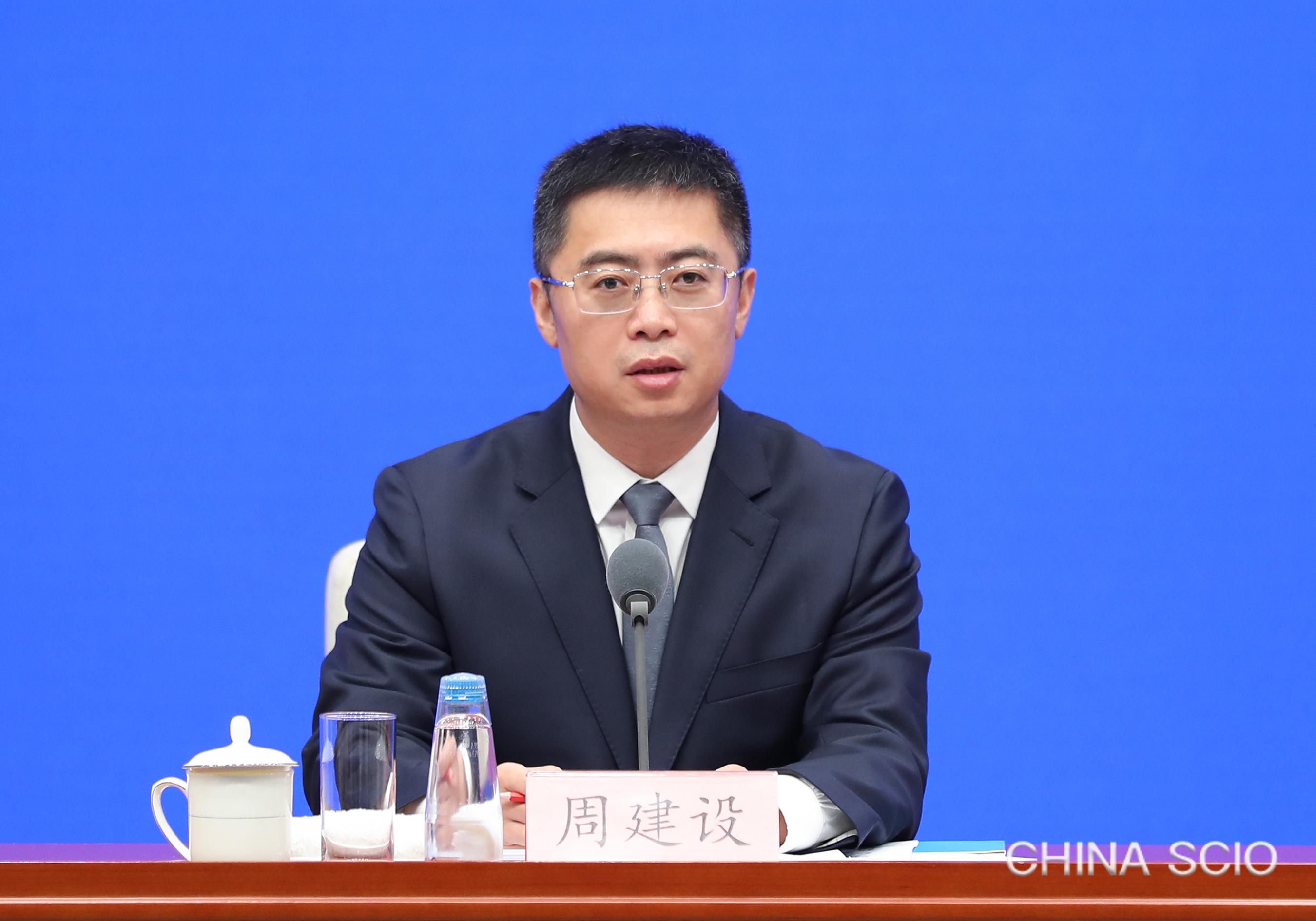
/3 Zhou Jianshe
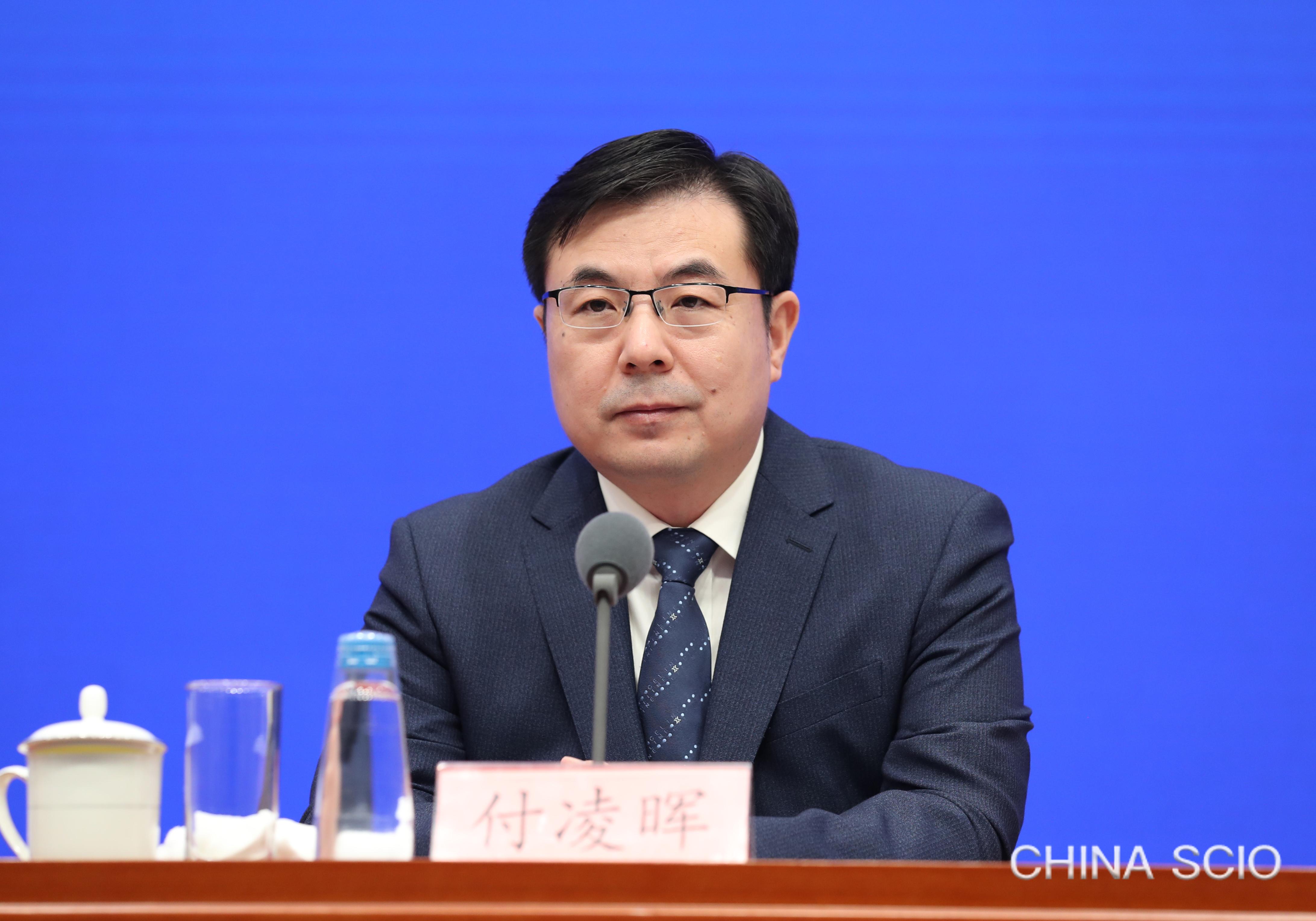
/3 Fu Linghui
/3 Group photo
SCIO briefing on 2025 Qingdao Multinationals Summit
June 13, 2025SCIO briefing on further ensuring and improving people's well-being
June 10, 2025