Read in Chinese
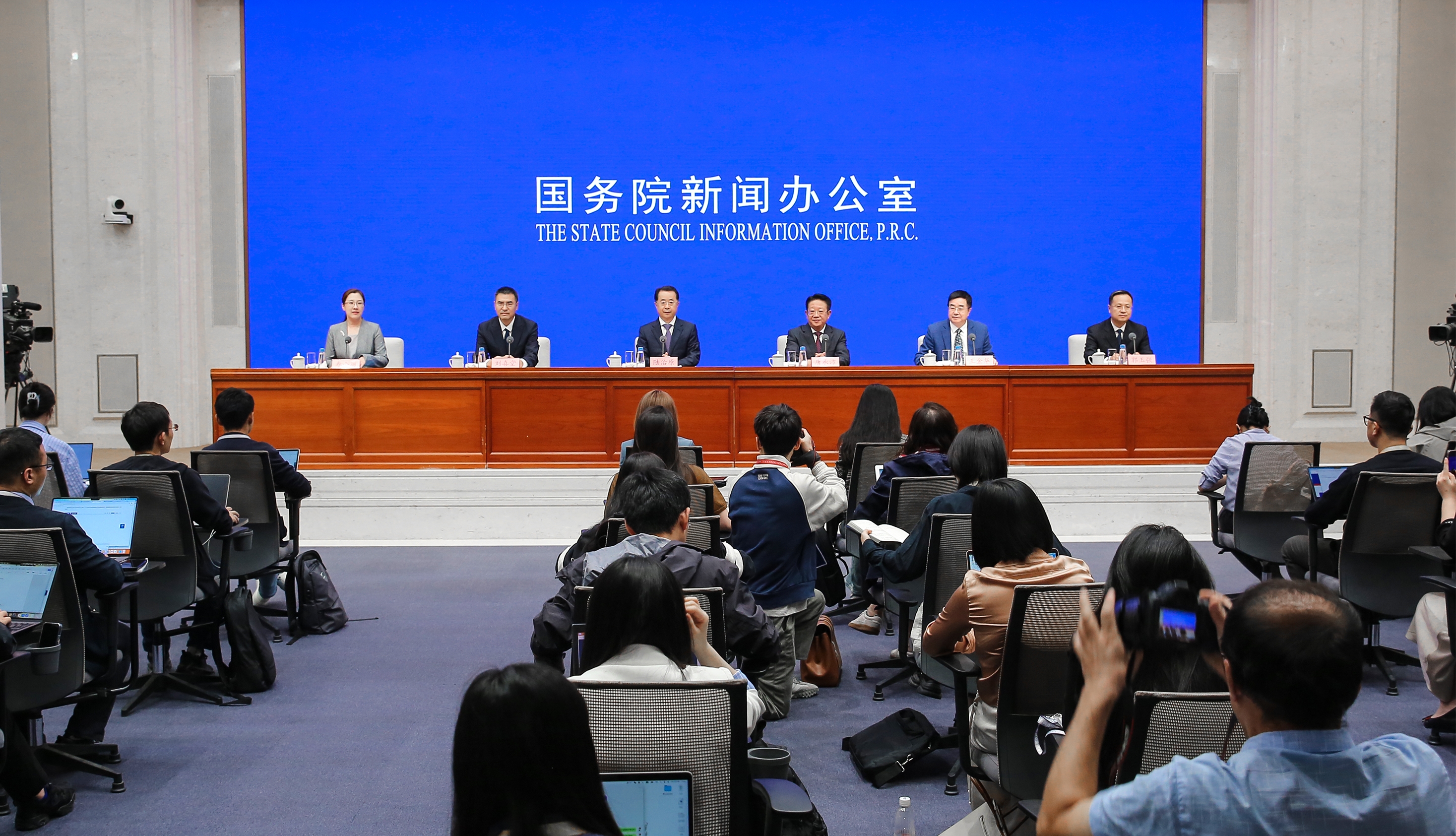
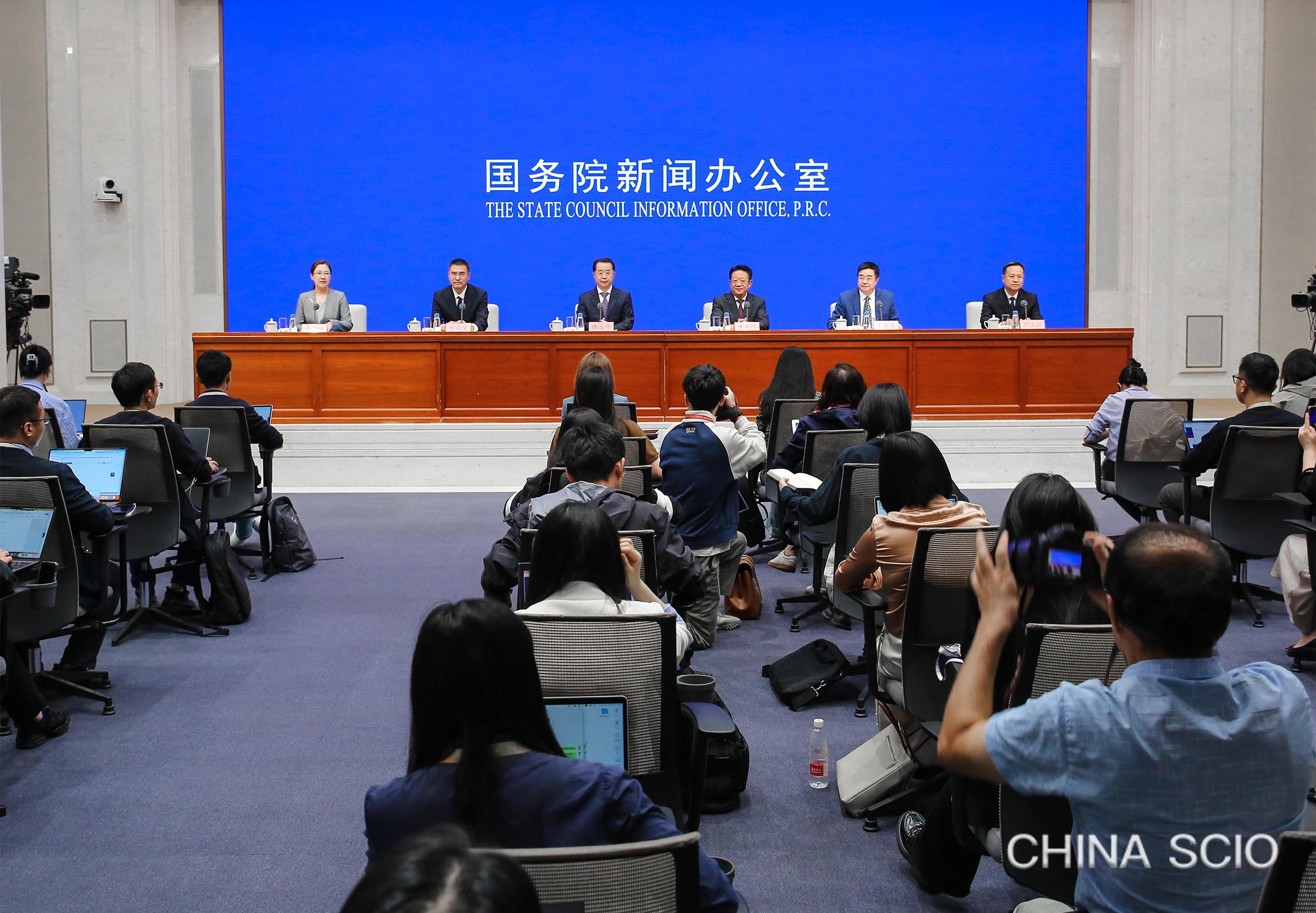
Speakers:
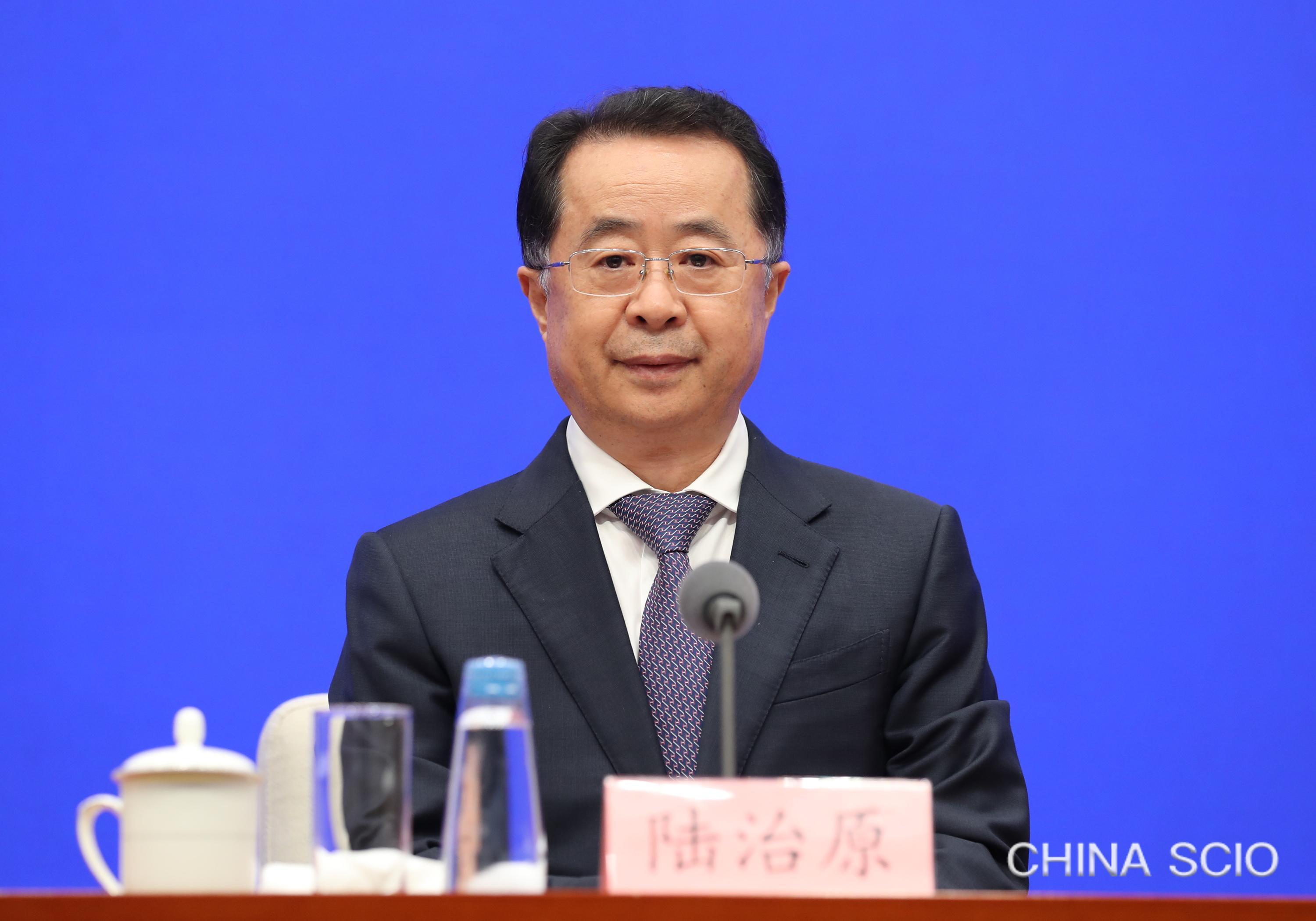
Mr. Lu Zhiyuan, minister of civil affairs
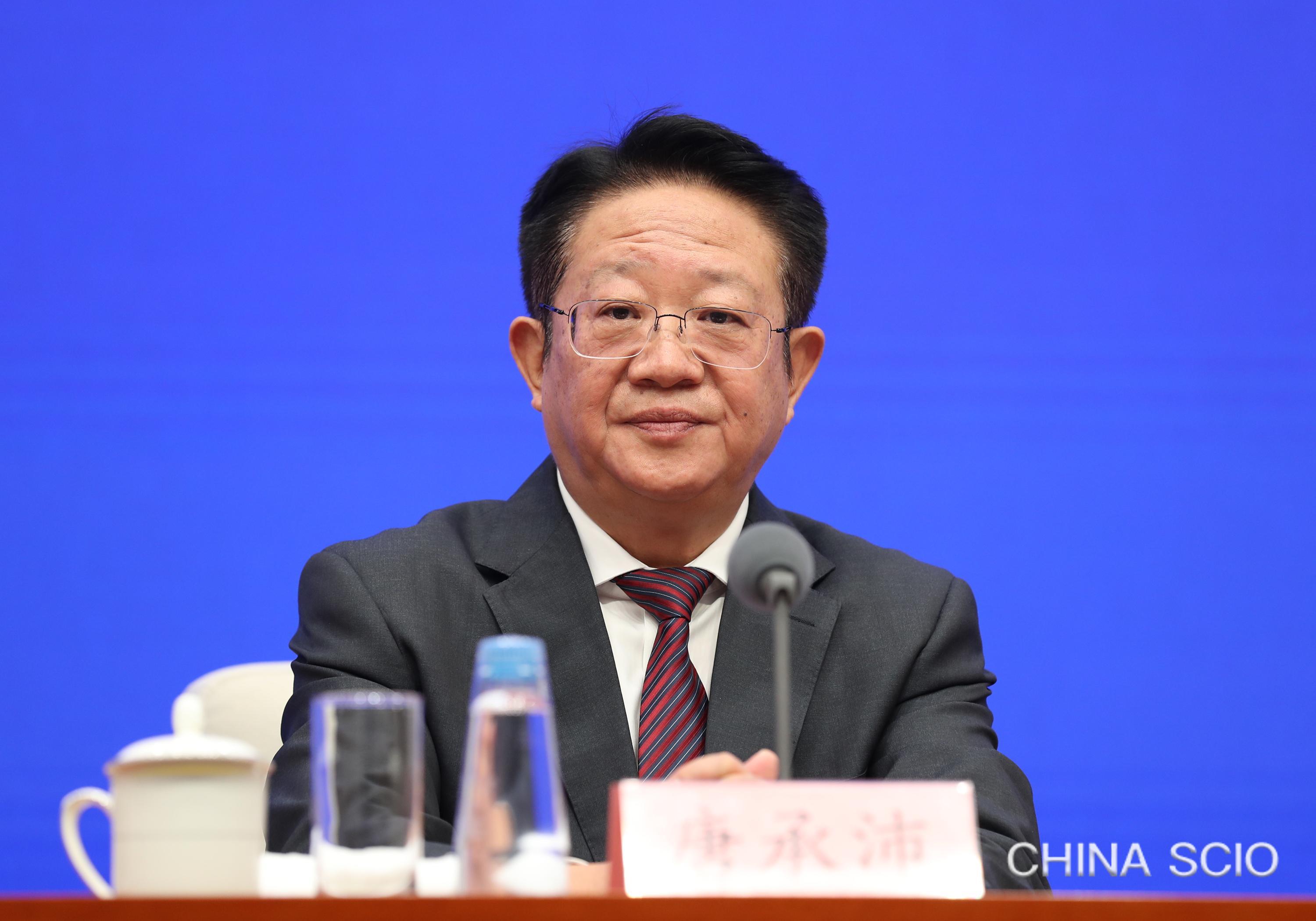
Mr. Tang Chengpei, vice minister of civil affairs
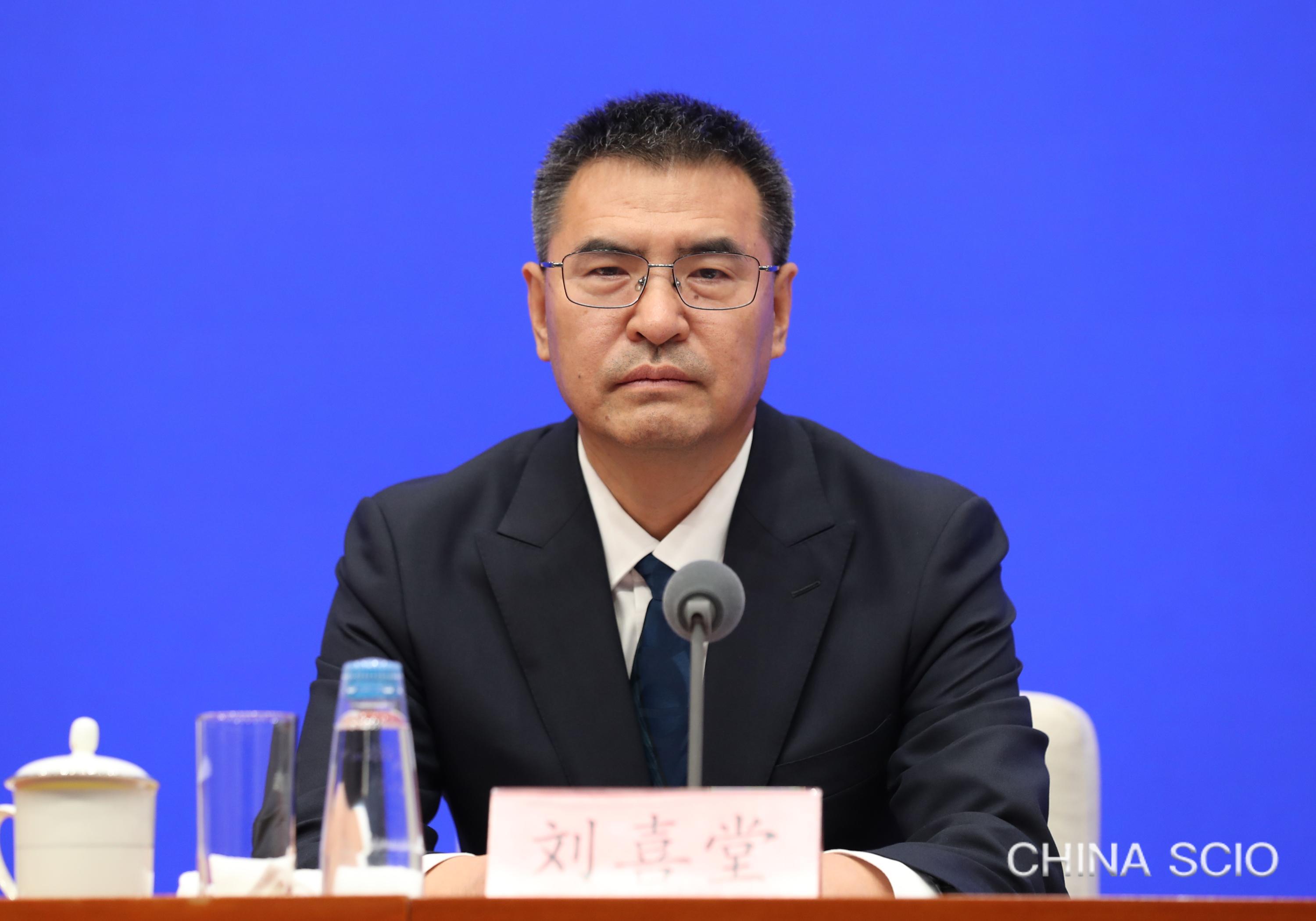
Mr. Liu Xitang, spokesperson of the Ministry of Civil Affairs (MCA) and director general of the General Office of the MCA
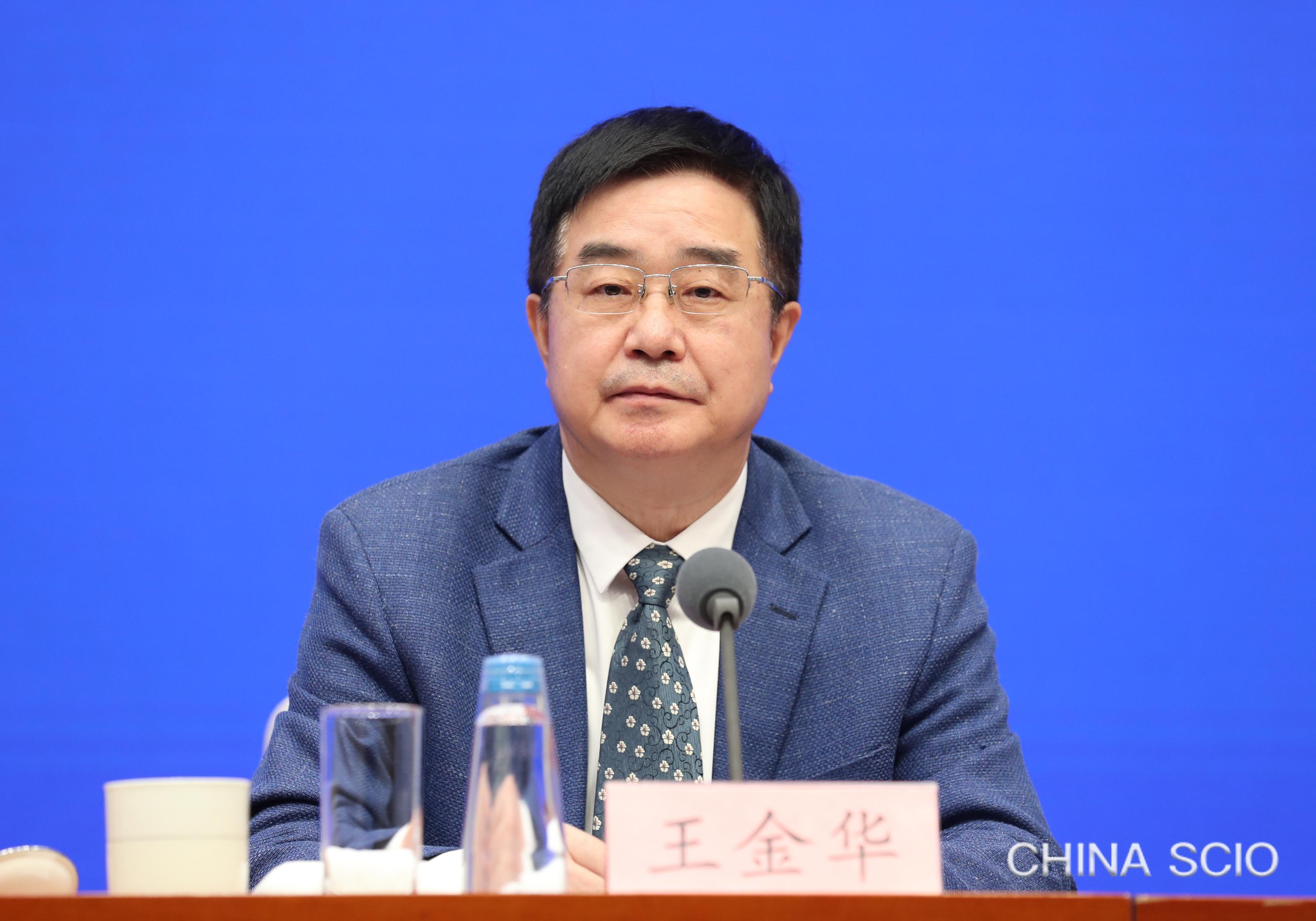
Mr. Wang Jinhua, director general of the Social Affairs Department of the MCA
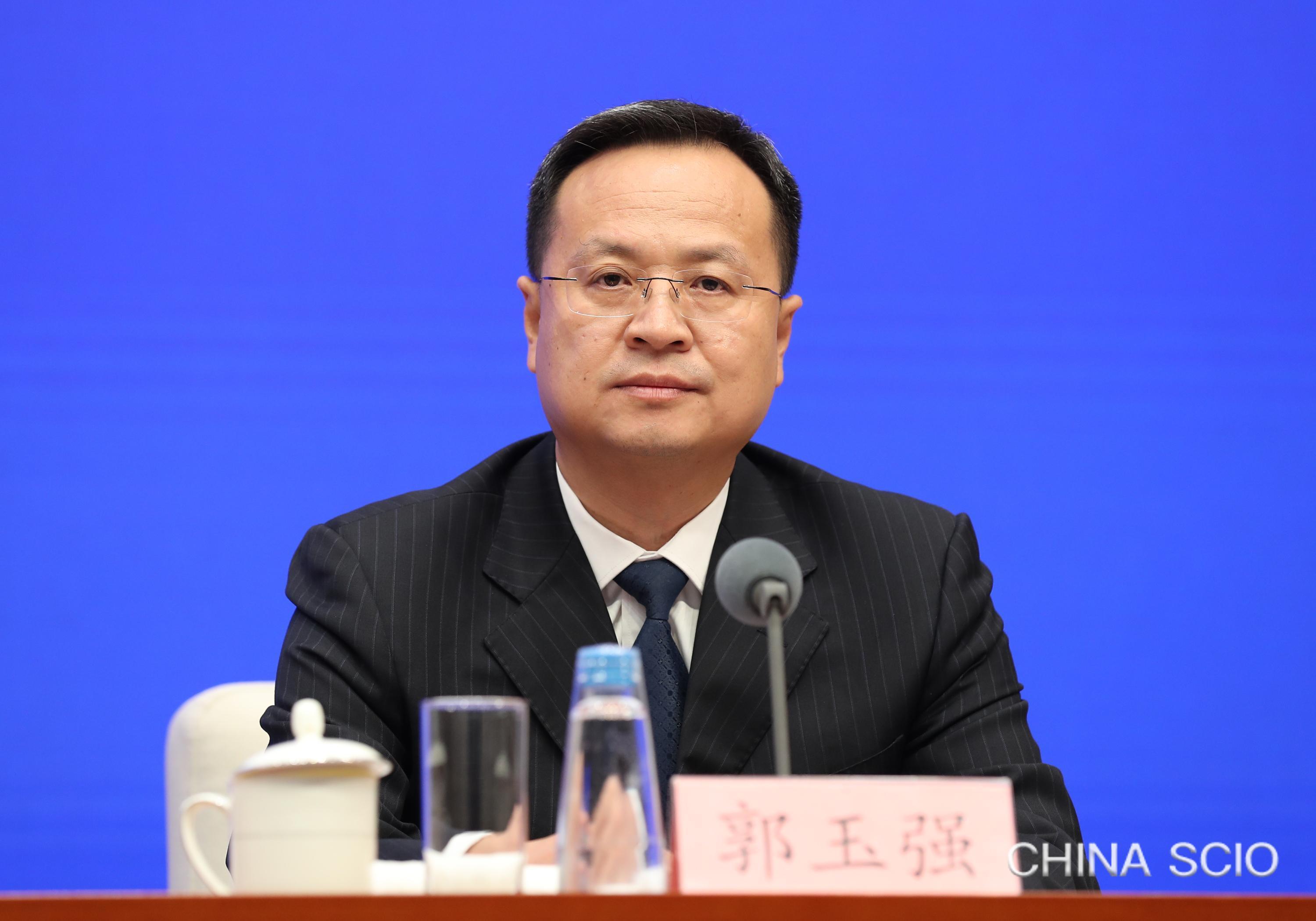
Mr. Guo Yuqiang, director general of the Child Welfare Department of the MCA
Chairperson:
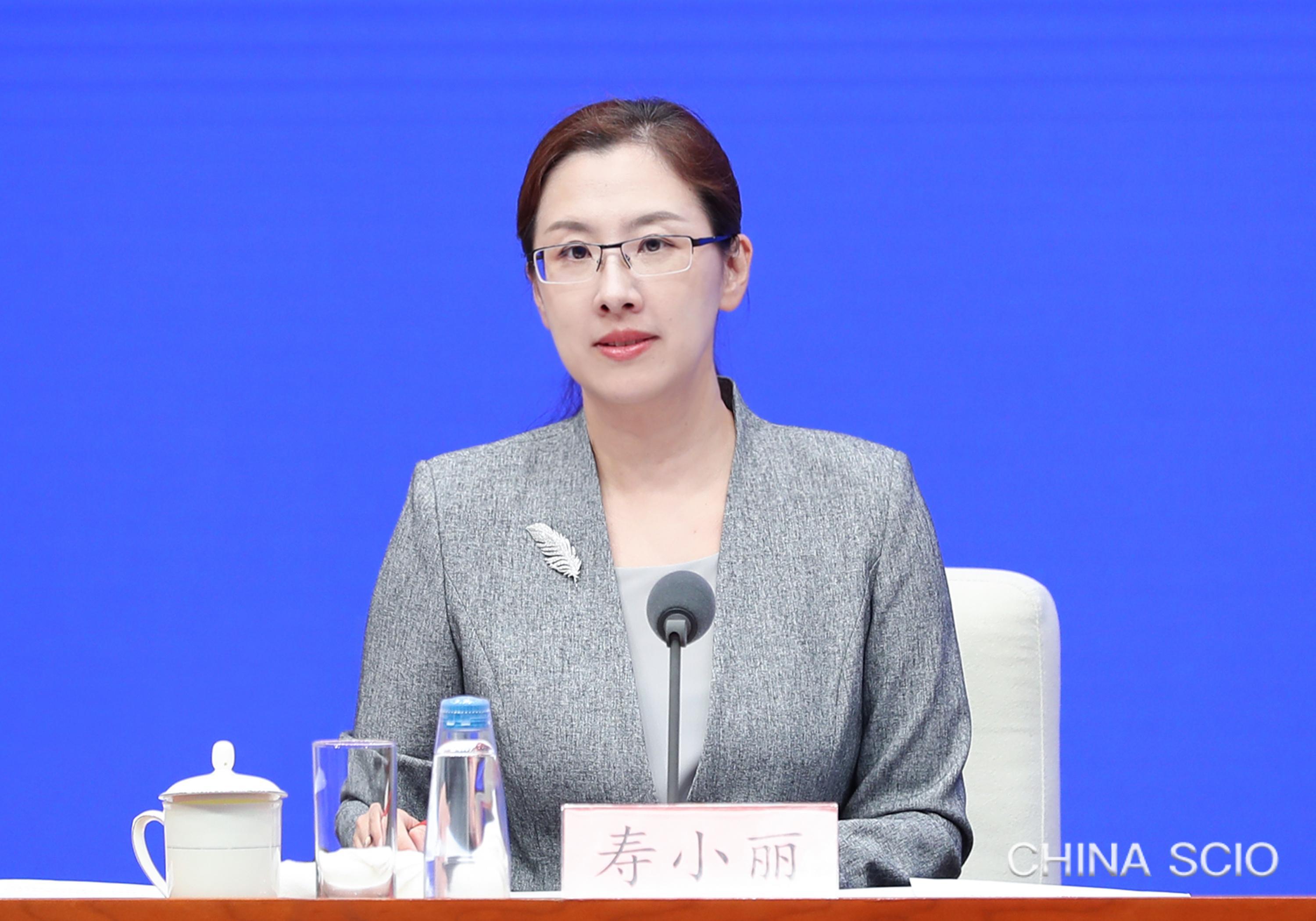
Ms. Shou Xiaoli, director general of the Press Bureau of the State Council Information Office (SCIO) and spokesperson of the SCIO
Date:
Sept. 23, 2024
Shou Xiaoli:
Ladies and gentlemen, good afternoon. Welcome to this press conference held by the State Council Information Office (SCIO) as part of the series "Promoting High-Quality Development." Today, we have invited Mr. Lu Zhiyuan, minister of civil affairs, to brief you on relevant developments and to take your questions. Also attending today's press conference are: Mr. Tang Chengpei, vice minister of civil affairs; Mr. Liu Xitang, spokesperson of the Ministry of Civil Affairs (MCA) and director general of the General Office of the MCA; Mr. Wang Jinhua, director general of the Social Affairs Department of the MCA; and Mr. Guo Yuqiang, director general of the Child Welfare Department of the MCA.
Now, I'll give the floor to Mr. Lu for his briefing.
Lu Zhiyuan:
Ladies and gentlemen, friends from the media, good afternoon. I am so pleased to meet with you to discuss civil affairs work. First, on behalf of the MCA, I would like to express my heartfelt gratitude for your long-term concern and support for civil affairs.
Civil affairs work relates to people's livelihoods and connects with people's hearts. In recent years, civil affairs departments at all levels have thoroughly studied and implemented General Secretary Xi Jinping's important discourses on civil affairs work. Focused on better fulfilling our duties to safeguard basic livelihood, grassroots social governance and basic social services, we have adhered to a people-centered approach, prioritizing the protection of basic rights and interests of civil affairs service recipients, especially the most vulnerable groups. We regard public concerns as a barometer of our work and public satisfaction as a benchmark, striving to meet people's basic needs, provide a cushion for those most in need, prevent risks and promote development, thus driving new progress and achievements in various civil affairs tasks. These are reflected in the following aspects:
First, we have strengthened support to ensure people's basic livelihood and effectively guaranteed basic living essentials for various vulnerable groups who face difficulties. We have established a tiered and categorized social assistance system, using big data and other means to enhance dynamic monitoring of low-income populations and providing early warning and assistance in a timely manner. We have included migrant children in the national care and protection scope, providing rights and interests protection, daily care and support services for urban migrant children and rural left-behind children. We have also provided a slew of services to safeguard the upbringing, education and medical rehabilitation of orphans and uncared-for children. We have established a system of living subsidies for disabled individuals in difficulty and nursing subsidies for severely disabled individuals, providing timely assistance to those temporarily in difficulty. Our efforts aim to strengthen the safety net for ensuring the basic needs of vulnerable groups and make them feel the warmth of the Communist Party of China (CPC) and the government as well as experience the superiority of the socialist system.
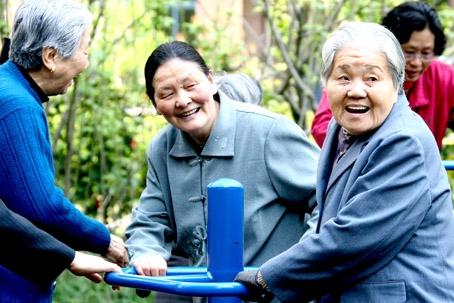
Second, we have developed basic social services and accelerated the improvement of our management levels in elderly care, work regarding administrative divisions, and marriage registration services. We have rapidly enhanced the elderly care service system. In response to the fundamental needs of the elderly, we have established a basic elderly care service system. We have stepped up efforts to increase nursing-type beds, promoting the integrated development of "elderly care services plus medical resources" to meet different medical and health care needs and actively develop rural elderly care services. We have fulfilled the coordination responsibilities for work related to aging, pushing for the improvement of social security, elderly care services and health support systems. Simultaneously, we have carried out a rural geographic naming campaign, advancing the mapping of rural place names and the online promotion of agricultural products and contributing our efforts to comprehensive rural revitalization. We are optimizing marriage registration services and have launched a pilot program to provide inter-provincial marriage registration services in 21 provincial-level regions nationwide, offering greater convenience to the public.
Third, we have taken innovative means to improve grassroots social governance, actively leveraging the roles of both social organizations and charitable forces. We support the establishment of technology and service-oriented social organizations, optimizing the structure of social organizations. The total number of various social organizations nationwide has reached 883,000. We guide social organizations to offer pairing-up assistance for 160 key counties included in a national rural revitalization plan. We guide industry associations and chambers of commerce to serve high-quality development. We implement the Charity Law, guiding charitable forces to actively participate in supporting the weak and needy, aiding the elderly and orphans as well as providing relief to the sick and disabled. This year, various charitable organizations have donated nearly 3 billion yuan ($424.52 million) in funds and goods to key disaster-stricken provinces, strongly supporting disaster relief, recovery and rebuilding efforts.
On the new journey, we will use Xi Jinping Thought on Socialism with Chinese Characteristics for a New Era as guidance, thoroughly study and implement the guiding principles of the 20th CPC National Congress and the second and third plenary sessions of the 20th CPC Central Committee, comprehensively deepen reforms in the field of civil affairs, and focus on effectively solving the issues of "availability" while making significant efforts to address the questions of "quality" and "excellence." We strive to write a new chapter in the high-quality development of civil affairs, better serving and advancing Chinese modernization.
That's all I want to introduce. Now, my colleagues and I will answer your questions. Thank you!
Shou Xiaoli:
Thank you, Mr. Lu, for your briefing. We will now proceed to the Q&A session. Please identify your news organization before posing your questions.
_ueditor_page_break_tag_
Hongxing News:
People with disabilities are a particularly vulnerable group that requires special care and attention. The third plenary session of the 20th CPC Central Committee explicitly proposed improving the social security and service systems for people with disabilities. Could you please specify what reform measures the MCA will take to ensure support for the vulnerable under this new arrangement and new instruction? Thank you.
Lu Zhiyuan:
I would like to invite Mr. Wang Jinhua from our social affairs department to answer this question.
Wang Jinhua:
Thank you for your question. As you said, people with disabilities are a unique group that requires special attention and care. China is home to 85 million people with disabilities, over 38 million of whom have certified disabilities. Since the 18th CPC National Congress, continuous efforts have improved the living conditions and quality of life for people with disabilities. On the new journey, facing expectations for a better life that encompass both basic needs and development, spanning material and spiritual needs, we must implement the requirement set by the third plenary session of the 20th CPC Central Committee to improve the "social security and service systems for people with disabilities." We'll take this as a key task to address shortcomings, strengthen weak points and enhance quality and efficiency, providing more stable and higher-level support for their well-being and public services. Based on civil affairs authorities' duties, we'll focus our efforts on four areas:
First, we'll continue to implement and improve the subsidy system for living expenses of people with disabilities in need and nursing costs for those with severe disabilities. This key welfare program is a pillar of China's social welfare system. As of August, it has benefited 11.91 million people with disabilities facing economic hardship and 16.07 million with severe disabilities. Next, we'll guide local authorities to refine the mechanism for adjusting subsidy standards, gradually increasing amounts to ease the burden on those in need, those with severe disabilities and their families. We'll streamline the application process through services like inter-provincial handling, complete online processing and proactive assistance, making it more accessible and efficient. We'll also strengthen supervision of subsidy issuance to ensure timely, full and error-free payments, ensuring every cent is used effectively.
Second, we'll strengthen the mental health welfare service system. Mental health issues significantly affect social stability and people's well-being. People with mental illnesses and their families often face considerable challenges due to these conditions' unique nature. In recent years, the Ministry of Civil Affairs has advanced the construction of mental health welfare institutions. Now, 141 such institutions operate nationwide, providing over 70,000 beds and greatly improving treatment, assistance and care for people with mental illnesses facing extreme difficulty. We're focusing on addressing gaps in these institutions in prefecture-level cities and high-demand counties, refining management and service standards, and enhancing service quality. Additionally, we're advancing an initiative to help people with mental health conditions integrate into society. The ministry has made arrangements to provide more equitable, accessible and continuous community rehabilitation services, facilitating their reintegration into society.
Third, we'll boost the rehabilitation assistive devices industry. This industry is foundational and service-oriented, essential for ensuring and improving the livelihood and well-being of people with disabilities. Our country has immense demand for rehabilitation assistive services and significant potential for industry growth. Moving forward, we will seize development opportunities, strengthen guidance for industry development, formulate development plans, step up industry promotion and application, and improve the construction of the service system. We'll refine networks for displaying, renting, cleaning, configuring and selling rehabilitation assistive devices. We'll also bolster the industry's capacity for independent innovation and enhance the technological and intelligent aspects of these devices to meet the diverse rehabilitation needs of people with disabilities.
Finally, we'll accelerate the improvement of relevant laws and regulations. We'll work to formulate policies for providing care to people with severe disabilities, focusing on addressing challenges faced by families relying on elderly individuals to care for disabled persons, those with elderly disabled individuals and households with multiple disabled members. We'll implement the Civil Code requirements to formulate guidelines on civil affairs authorities fulfilling guardianship duties for disabled adults, effectively safeguarding the rights of people with mental and intellectual disabilities. Thank you.
_ueditor_page_break_tag_
CCTV:
The third plenary session of the 20th CPC Central Committee has made specific arrangements for deepening reforms in the civil affairs sector. What reform tasks have the civil affairs authorities undertaken? How will these be advanced going forward? Thank you.
Lu Zhiyuan:
Thank you for your questions. The third plenary session of the 20th CPC Central Committee has made specific arrangements for comprehensively deepening reforms in the civil affairs sector. These focus mainly on social assistance, children's rights protection, services for people with disabilities, addressing population aging, elderly care services, social organization management and charitable initiative development. We'll adhere to a people-centered approach, strengthen institutional building as our main task, focus more on problem-solving, and emphasize institutions and mechanisms, striving to improve four key systems.
First, we will refine our policies and systems. We will accelerate the formulation of policy documents to deepen the reform and development of elderly care services, promote the high-quality development of charitable initiatives, strengthen and improve the management of funeral services, and step up efforts to ensure welfare for children facing adversity. We will refine the top-level design in these areas and expedite legislation in fields including social assistance, elderly care services, and funeral services.
Second, we'll refine service-ensuring systems. We'll focus on providing inclusive services, meeting essential needs and cushioning those most in need. For service beneficiaries, we'll adapt to people's aspirations for a better life and strive to gradually expand support from special groups to a broader range of those in need within our means. Regarding service content, we'll shift from primarily providing financial and material support for groups with special difficulties to a balanced emphasis on both funding and services, as well as material and spiritual assistance. Simultaneously, we'll work on formulating the civil affairs development section of the 15th Five-Year Plan, address gaps in civil affairs service facilities, utilize idle resources effectively, and optimize service resource allocation.
Third, we will refine supervision and management systems. We'll expedite the formulation of policies, regulations, norms and standards in areas such as social organization management, charity development and elderly care services. We will also promote the establishment of a comprehensive interagency regulatory mechanism, using new tools like credit-based regulation and the "internet plus supervision" model. We'll intensify oversight of law enforcement, focusing equally on development and regulation to foster healthy growth in relevant sectors.
Fourth, we will refine social participation systems. We'll gradually shift from an approach that primarily relies on government resources to one that is government-led and actively leverages market forces and various social actors. We'll innovate our working methods, transitioning from traditional services to more law-based, standardized and digitally intelligent approaches, promoting high-quality development in civil affairs work.
Next, we will formulate and fully implement targeted policies and measures to achieve new progress and achievements in civil affairs reform. Thank you.
_ueditor_page_break_tag_
China Financial and Economic News:
In recent years, as China's urbanization has accelerated and large-scale population movements have occurred, a significant number of migrant and left-behind children have emerged. What has the MCA done to care for and protect these children? What further steps will be taken to better support their healthy growth? Thank you.
Lu Zhiyuan:
I would like to invite Mr. Guo to answer these questions.
Guo Yuqiang:
Thank you for your questions. Mr. Lu has already introduced the work done by civil affairs departments in the field of child welfare. Regarding the protection of rights and provision of care services for migrant and left-behind children, civil affairs departments have thoroughly implemented the decisions and plans of the CPC Central Committee, continuously creating a favorable environment for children's healthy growth. Our efforts have focused on four aspects:
First, we've refined our policy framework. We've collaborated with relevant departments to issue a series of policy documents, including guidelines for labor-intensive enterprises to strengthen care for rural left-behind children, opinions on leveraging expertise of social workers, guidelines on improving the care service system for left-behind children, and an action plan to enhance care and protection for migrant children. These documents provide a policy basis for ensuring care and protection for migrant and left-behind children.
Second, we've improved working mechanisms. With the approval from the State Council, we established a working group under the National Working Committee on Children and Women (NWCCW) to safeguard the rights of migrant and left-behind children. The group held plenary sessions to define departmental responsibilities clearly. We also convened a national conference on protecting the rights of migrant and left-behind children, outlining plans and arrangements for this work.
Third, we've launched two special initiatives. The first is a three-year campaign to improve care and services for rural left-behind children and children in difficult circumstances, aiming to enhance the overall quality of our work. The second is a campaign to enhance care and protection for migrant children, focusing on ensuring they have equal access to basic public services, family education guidance, and integration support in their places of residence.
Fourth, we've strengthened grassroots foundations. Civil affairs departments have guided child welfare supervisors and directors in conducting home visits, verifying information, and providing care services. We've also supported local authorities to improve facilities for assisting and protecting minors, enhancing their role in providing guardianship for children in need, training local staff, and encouraging social participation. These efforts have yielded significant results.
Next, we'll leverage the NWCCW's working group to safeguard the rights of migrant and left-behind children. We'll collaborate with relevant departments to mobilize various resources, establish systems, conduct solid work, and continuously improve care and services for these children. Thank you.
_ueditor_page_break_tag_
China Society News:
By the end of 2023, China's population aged 60 and above reached 297 million. What has the MCA done to actively respond to population aging and promote the development of elderly care programs? What are your plans for future work in this area? Thank you.
Lu Zhiyuan:
Thank you for your question. Actively addressing population aging is crucial to China's overall development and the well-being of millions. In recent years, the MCA has earnestly implemented a proactive national strategy in response to population aging, focusing on people's demands for elderly care services and accelerating the development of the elderly care service system. We've initially established an institutional framework for elderly care services, bringing four shifts in this area. First, we have shifted from providing services only for elderly people with special difficulties to services for the entire elderly population. Second, we have shifted from a model with the government mainly responsible for the supply of elderly care services to a new model with diverse participation from the government, market, and society. Third, we have shifted from providing mainly institution-based elderly care services to coordinating home, community, and institutional care. Fourth, we have shifted from meeting people's basic living needs and providing daily care services to providing quality services that integrate both medical and health care.
Population aging is a reality China must face squarely on its path to modernization. While challenges exist, this demographic shift also presents opportunities. Moving forward, we'll follow the decisions and plans of the CPC Central Committee, earnestly implementing a proactive national strategy to address population aging. We'll integrate concepts of positive aging and healthy aging into all stages of economic and social development, enhance elderly care efforts, and promote high-quality development of elderly care services.
In the area of work on aging, we will meticulously carry out the functions of the Office of the National Working Commission on Aging in terms of comprehensive coordination, supervision and organization, so that we can enhance overall work coordination in response to the aging of the population. We will improve the mechanism for implementing the national strategy for addressing population aging, compile and execute plans on the development of aging programs, continuously refine the social security system, elderly care services and health support, building an elderly-friendly society. We will ensure funds, services and institutions to safeguard support, care and fulfillment for the elderly. Focusing on pressing difficulties and problems that concern the elder jointly with relevant departments, we will concentrate efforts to bring about concrete welfare to the elderly in terms of preferential policies, entertainment, law support, volunteer services, technological facilities and financial benefits. In terms of elderly care services, we will mainly focus on four aspects:
First, we will improve the elderly care service network. Just as there are schools for education and hospitals for health care, corresponding institutional facilities and networks are also necessary for elderly care services. We will prioritize the construction of integrated elderly care service platforms in counties and districts, regional elderly care service centers in towns, townships and urban sub-districts as well as elderly care stations in villages and communities, so as to build a three-tiered elderly care service network that spans counties (districts), towns and townships (urban sub-districts), and villages (communities). In other words, we will comprehensively establish an overall network for elderly care services.
Second, we will optimize the service supply layout. In response to the habits and preferences of the majority of the elderly who prefer to live at home, we will establish good community elderly care services. We will provide home-based services assisting the elderly living at home with meals, bathing, cleaning, mobility, medical care and emergency, thereby consolidating the foundational status of home-based elderly care services. Focusing on the needs of the elderly and leveraging the supporting role of community elder care, we will develop service projects such as daytime care, senior dining rooms and rehabilitation nursing, so that the elderly can enjoy their retirement right at their doorsteps. We will also harness the professional supporting role of elder care institutions, leveraging their functions in innovative demonstration, service skills training and equipment promotion and application, as well as enhance care services for disabled and incapacitated elderly people. This will create a coordinated and aligned supply structure for elderly care services covering the levels of home, community and institutions.
Third, we will promote the coordinated development of the elderly care service programs and industries. We will fully harness the roles of a capable government, an effective market and a compassionate society to form a virtuous cycle where programs drive the industries and the industries support the development of the programs. We will support and cultivate specialized, branded and chained market entities in elderly care services, expand consumption on elderly care services, and develop and strengthen the silver economy.
Fourth, we will strengthen comprehensive supervision on elder care services. We will strengthen supervision over the quality and safety of elderly care services and improve regulatory systems and rules for emerging areas such as home-based and community-based services, integrated medical and elderly care services, assisted catering services and retirement communities. We will enhance the development of elderly care service standards, promote openness and transparency in elderly car service projects, processes and pricing, and assure the elderly with quality services.
Through the concerted efforts of society as a whole and the effective implementation of the national strategy for addressing population aging, by 2035 China's elderly care service system with Chinese characteristics will be mature and well-established. The majority of elderly people will enjoy basic elderly care services, share the benefits of economic and social development and live a happy life in their twilight years. Thank you!
_ueditor_page_break_tag_
China News Service:
The establishment of senior dining rooms in residential areas has addressed the dining difficulties of many elderly people, especially those who are advanced in age and live alone. Could you please provide an overview of the progress and achievements in the deployment of assisted catering services for the elderly since its inception, and share your plans for further advancement? Thank you.
Lu Zhiyuan:
I'll leave this question to Mr. Tang Chengpei.
Tang Chengpei:
Thank you for the question from China News Service. As you mentioned earlier, assisted catering services are among the top needs of the elderly. Some elderly people, especially those who are advanced in age, empty-nesters, live alone or are incapacitated, face difficulties in cooking and dining. This is a concern for the elderly themselves, their families and society at large. As Mr. Lu Zhiyuan mentioned earlier, the CPC Central Committee attaches great importance to assisted catering services for the elderly. Last October, the executive meeting of the State Council reviewed and approved an action plan to promote the development of meal services for the elderly, which this year has been included in the National Working Commission on Aging's list of elderly-oriented livelihood initiatives. Civil affairs departments at all levels have organized and implemented these initiatives, and positive results have been achieved in assisted catering services for the elderly.
First, supportive policies have been accelerated. This year, the central government has allocated 300 million yuan in guidance funds to support the development of assisted catering services for the elderly. Based on their own financial capacity and actual conditions, various regions have provided preferential measures for assisted catering services for the elderly and supportive policies for service enterprises and operating entities. At the same time, they have encouraged public welfare and charitable organizations, as well as philanthropic enterprises and individuals, to actively participate by providing support through government subsidies, corporate discounts and social donations.
Second, the service network has been continuously expanded. Based on local conditions, various regions have issued assisted catering services work plans and supporting measures. By expanding the functions of elderly care service institutions, integrating and utilizing idle community resources and renovating existing facilities, new dining rooms for the elderly have been established, and the assisted catering service network for the elderly has been expanded. In some places, a 15-minute assisted catering service circle for the elderly has been formed, allowing the elderly to enjoy convenient assisted catering services right at their doorsteps.
Third, the model of assisted catering services for the elderly has been increasingly enriched. In the practice of providing services for the elderly, different places have developed the model of "elderly care institutions plus assisted catering services" in accordance with local conditions. In the past, the catering service offered by elderly care institutions only served the elderly within these institutions. Now through the expansion of functions, these institutions can provide assisted catering services to the elderly living in society, making better use of existing resources. There are also the models of "social catering plus entrusted services," "community canteens plus dining tables for the elderly," "central kitchen plus professional delivery," "online platform ordering plus offline delivery," "dining tables plus desks" and other models. In some elderly canteens, tables are used for meals during dining times and then become desks where elderly people can learn about health and elderly care. All these have offered a wide variety of options for elderly people.
Fourth, quality and safety have continued to be strengthened. All localities have made efforts to promote the development of standardized, procedure-based assisted catering services for the elderly as well as advance the application of information technology within these services. A coordinated mechanism for supervision has been established where the Ministry of Civil Affairs takes the leading role, multiple departments participate and local governments take on jurisdictional responsibilities. Supervision and inspection have been strengthened. To ensure the safety of assisted meals, food safety must first be safeguarded. It is necessary to ensure that every bite of food is safe for the elderly.
Overall, positive results have been made in developing assisted catering services, which are popular among older people. Next, we will conscientiously implement the decisions and plans of the Party Central Committee and the State Council by increasing the coverage and improving the quality and effectiveness of assisted catering services for the elderly in an orderly manner.
First, we will further improve policies and measures. We will adhere to a combination of attributes from public welfare and market mechanism, as well as will prioritize the function of assistance and work with relevant departments to improve and implement supportive policies, focusing on serving the catering needs of those advanced in age, empty nesters, those living alone, those incapacitated and those facing other special difficulties in order to help market entities reduce costs and increase efficiency, so as to achieve sustainable development.
Second, we will further strengthen category-based guidance. Based on the needs of the elderly and respecting their wishes, we will follow a fact-based approach to set goals and implementation procedures that are in accordance with local conditions, steadily expand the service network and improve service capacity.
Third, we will further promote experience and models. We will guide all localities to make good use of the central government's guiding funds, strive to set up a batch of high-quality venues offering assisted catering services and service brands, cultivate a batch of specialized, chained and large-scale institutions, create more perceptible, accessible and sustainable models, and do more practical work to develop assisted catering services, so as to deliver benefits to the elderly. Thank you!
_ueditor_page_break_tag_
Cover News:
In recent years, many social organizations have become active in social governance at the primary level, playing an important role. What work has been done by the Ministry of Civil Affairs with promoting the role of social organizations in contributing to high-quality development? What achievements have been made? Thank you.
Lu Zhiyuan:
We will have Mr. Liu Xitang, director general of the General Office of the MCA, answer these questions.
Liu Xitang:
Thanks to this reporter for their questions. Social organizations are an important force for the advancement of socialist modernization. In recent years, the Ministry of Civil Affairs has given top priority to the key task of advancing high-quality development, has taken solid steps to carry out registration and management of social organizations and has guided and encouraged social organizations to take on responsibility, exceling in their work. I can summarize the contributions in four aspects:
The first contribution is to scientific and technological innovation. In response to major national strategies, we actively cultivate and develop scientific and technological social organizations in order to form a dynamic force for building a strong scientific and technologically advanced country. At present, there are about 24,000 social organizations actively participating in the key fields of science, technology and research, of which 530 are registered in the Ministry of Civil Affairs such as the China Association of Agricultural Science Societies and the Chinese Pharmaceutical Association. These are all scientific and technological social organizations that have relatively long histories and play prominent roles. We have conscientiously conducted annual inspections, evaluations and trainings to promote the internal governance of scientific and technological social organizations, improve service capabilities and to gather strength for the achievement of greater self-reliance and strength in science and technology.
The second contribution is to economic development. Modern economic and social development depends on industry associations and chambers of commerce. We have made plans for and carried out special actions for industry associations and chambers of commerce to provide high-quality development, propelling over 100,000 industry associations and chambers of commerce nationwide to be good assistants to the government, good helpers to enterprises and good promoters for the industry, thus contributing to China's economic development with practical actions. According to incomplete statistics, since 2023 industry associations and chambers of commerce at all levels have put forward nearly 65,000 policy recommendations to relevant government departments, provided about 1.7 million consulting services, held about 71,000 exhibitions, expositions and fairs, and have helped enterprises to match up about 33,000 investment attraction projects.
The third contribution is to rural revitalization. Just as Mr. Lu mentioned, we have worked with relevant departments to carry out special campaigns for social organizations to contribute to rural revitalization, mobilizing and guiding willing and capable social organizations to pair up with 160 key counties designated to receive assistance with pursuing rural revitalization. Up to now, we have guided social organizations of various types and at all levels nationwide to participate in the implementation of nearly 30,000 rural revitalization projects, with an investment of more than 35 billion yuan. We have also carried out projects for the central government to support the participation of social organizations in social services for 10 consecutive years. With a continuous investment of 1.7 billion yuan, we have supported social organizations to launch over 3,800 social service projects focusing on underdeveloped regions since 2012.
The fourth contribution is to international cooperation. We have encouraged the establishment of a large number of international science and technology organizations in China, such as the International Panel of Mesoscience (IPM), support international science and technology organizations to expand international science and technology exchange and cooperation, and have engaged in global science and technology governance. For example, work done by the Global Energy Internet Development Cooperation Organization has covered 142 countries and regions, with nearly 60 international cooperation agreements already signed and more than 50 international conferences held. The Belt and Road Initiative International Green Development Coalition has supported the implementation of projects such as the Green Silk Road Envoy Program and, in 2023, provided training to over 3,000 people in more than 120 developing countries.
Next, we will work with relevant departments and continue our efforts with the cultivation and guidance of social organizations as well as their regulation and management, so as to enable social organizations to better serve the country, society, the public and the industry. Thank you.
_ueditor_page_break_tag_
China Daily:
Recently, we've noticed that the Ministry of Civil Affairs has been carrying out a rural geographic naming campaign , which enables many small streets, alleys and small shops located in the countryside to be searchable on mobile phones' map services. Can you talk about this in detail? Thank you.
Lu Zhiyuan:
We will have Mr. Tang Chengpei answer this question.
Tang Chengpei:
Thanks to the reporter from China Daily for your question. Names of places in rural areas are a "data base" for rural governance and basic information for urban-rural exchange, carrying local citizens' beautiful nostalgia and inheriting local histories and cultures. With the in-depth implementation of a rural revitalization strategy, the production, livelihood and ecological space of rural areas have been continuously optimized, which has put forward higher requirements for quantity density, standardization and cultural inheritance of rural places' names. The Ministry of Civil Affairs has thoroughly implemented strategic plans made by the Party Central Committee with advancing all-round rural revitalization; has focused on the problem of insufficient construction for rural geographical names; has learned from and applied experiences gained from the Green Rural Revival Program in Zhejiang province; and has launched the rural geographic naming campaign. Just now, Mr. Lu also mentioned this work.
The place-naming campaign encompasses both the tasks of naming places and setting up signs, as well as the goal of helping previously less-known places gain fame. It leverages the collecting and mapping of place names to drive advancements in place naming, installing place name signs, cultural preservation, information services and application empowerment. We actively utilize the inherent value and historical significance of place names to foster high-quality rural development. Since its inception last year, this initiative has been rolled out nationwide, producing substantial outcomes.
In terms of modernizing rural governance, the network of rural place names has expanded significantly. As of August, 430,000 rural place names had been standardized nationwide, with 330,000 rural place name signs installed and 14.42 million building and door plaques affixed. Issues such as places without names and multiple names for a single place in rural areas have been continuously addressed. Some areas have promoted creating maps for villages, so that visitors can look up directions on maps instead of asking around. Some areas have implemented QR code signs, which enable bill payments and administrative services online, making rural life more convenient and modern.
Regarding the cultivation of good social civility, the cultural value of good place names continues to be highlighted. Thanks to geographic names, we can find our way home, so they are not to be forgotten. They also offer a means for our cultural heritage to be passed down through generations, and this carrier of cultural inheritance shouldn't be interrupted. We fully leverage the unique advantages of place names in preserving historical culture and local customs and pay attention to the cultural connotations of newly created rural place names. Many regions have created place names that reflect cultural heritage, national spirit, and contemporary style. These names reflect the era's charm. We also prioritize protecting old place names. Twenty-three provinces have established systems for place name protection inventories, with over 30,000 traditional rural place names now under protection, safeguarding our collective spiritual heritage.
Place names continue to play a key role in boosting industrial revitalization. We've guided internet map platforms to present correct and consistent names of over 9 million rural places and mobilized the public to discover more than 800,000 points of interest based on map place names, such as agritourism sites and picking gardens. Related navigation services have been used for more than 10 billion times. Rural residents now enjoy convenient transportation navigation. The use of these maps also facilitates backpacking, self-driving tours, and the delivery of both parcels into villages and rural goods to urban areas, serving the two-way flow of urban-rural resources. Various regions have explored the brand value of geographic names, creating agricultural products branded with local names. Place names are now deeply integrated with rural e-commerce, platform economies and agritourism development.
In supporting ecological conservation, the foundational role of place names continues to strengthen. In provincial border regions and western areas, the names of natural geographic features are a key focus of the rural place-naming campaign, addressing the issue of many places left unnamed and a lack of standardized place names in ecologically fragile areas. We have intensified efforts to name mountains, rivers, forests, fields, lakes, grasslands, and sands. By establishing inter-departmental data co-construction and sharing mechanisms, we're providing fundamental support for environmental protection.
Moving forward, we will further implement the spirit of the third plenary session of the 20th CPC Central Committee. We'll focus on strengthening the foundation for place-naming, innovating ways of using the names, building up reputations of places by showing their distinctive features, and shaping famous brands. This will fully demonstrate and spread the value of rural place names, and let people know that our beautiful villages are worthy of their good names, thus promoting rural revitalization. Thank you.
_ueditor_page_break_tag_
Shou Xiaoli:
Please continue with your questions.
N Video from Nanfang Metropolis Daily:
In recent years, public interest, discussion and participation in philanthropy and charity have been rising. The third plenary session of the 20th CPC Central Committee emphasized supporting the "development of public interest activities and charities." What measures will the MCA take to promote charitable development? Thank you.
Lu Zhiyuan:
I would like Mr. Liu to answer this question.
Liu Xitang:
Thank you for your question. As you mentioned, public interest in philanthropy and charity is growing. To date, over 15,000 charitable organizations have been registered nationwide, playing a significant role in rural revitalization, education, culture, healthcare, ecological conservation and emergency response. Looking ahead, we'll focus on implementing the Charity Law and maintaining a balanced approach to promotion and regulation. We aim to enhance the high-quality development of philanthropy and charity through three main strategies.
The first strategy involves strengthening our institutional framework. As you know, the revised Charity Law took effect on Sept. 5 this year. The MCA is developing complementary policies. We've already implemented three key regulations: Measures for the Management of Personal Assistance Online Service Platforms, Measures for the Administration of Charitable Organizations' Fundraising from the Public, and Measures for the Accreditation of Charitable Organizations. The first measures were newly established, providing clear guidelines for related platforms for the first time. The other two measures contain revisions to optimize the requirements for applying for public fundraising qualifications, standardize public fundraising activities, and refine the criteria for accreditation of charitable organizations. We plan to formulate or revise eight regulatory policies related to the management of charitable organizations, charitable trusts, management of public fundraising platforms, and information disclosure. Additionally, we will develop policy documents to advance the high-quality development of philanthropy in the new era. Mr. Lu has also mentioned initiatives such as the proposed amendments to the Regulation on Foundation Administration. Through these comprehensive efforts, we aim to establish a solid regulatory framework for philanthropic activities.
Second, we will enhance supervision of charitable activities. Transparency and credibility are the cornerstones for the development of charity. Recently, the Ministry of Civil Affairs (MCA) has conducted two main tasks: First, we have advanced a sunshine-themed project to offer guidance and supervision for all kinds of charitable organizations to disclose information thoroughly and faithfully in accordance with related laws and regulations. Second, we have planned and carried out a special action to fully identify and remedy management loopholes and hidden risks of charitable organizations, further regulating their behaviors and improving ethics within the charity field. In addition, we will work with relevant departments to quickly establish a comprehensive supervision mechanism to promote the healthy development of the charity industry.
Third, we will improve the mechanism for guidance and support. We will fully leverage means such as the Charity Day of China commendations in order to promote Chinese traditional moral values and disseminate modern concepts regarding charity. Especially, we will work with relevant departments to implement favorable tax policies and measures providing incentives and support, constantly innovating and broadening channels for charity engagement. We will vigorously develop community charity to meet the requirements of the newly revised Charity Law. We will explore ways to develop charitable trusts and regulate the development of online charity, among others. We will guide and support willing and capable enterprises, social organizations and individuals to actively take part in charitable work, thus creating an environment of full public participation.
The ninth Charity Day of China was marked on Sept. 5 of this year. Under the theme of "upholding moral values and conducting and developing charitable work lawfully," we held colorful promotional activities nationwide, with many media outlets providing in-depths coverage. For this, please accept my gratitude. Thank you!
_ueditor_page_break_tag_
Shou Xiaoli:
One last question.
Hong Kong Bauhinia Magazine:
Social assistance forms an important part of the social security system. Please update us on the work done to improve the social assistance system and ensure basic living for people in difficulty. Also, what will future work focus on? Thank you.
Lu Zhiyuan:
Thank you for your questions. I will answer them. People pay much attention to social assistance, because it is an important part of the duty of civil affairs departments to secure citizens' basic living. It is also an important institutional arrangement for solving problems for those in difficulty, improving well-being and boosting social harmony. In recent years, the MCA has implemented the decisions and arrangements of the CPC Central Committee and the State Council, focusing on the goal of improving the urban-rural coordinated, multi-tiered and categorized support system. We have continued to improve the institutions, innovate the mechanisms and ensure the implementation of all work, providing a safety net for ensuring the basic needs of the people in difficulty. We mainly have made efforts in the following aspects to ensure social assistance.
First, we have focused on ensuring basic living, creating a multi-tiered assistance framework to enable fuller coverage. We are expediting the building of a dynamic monitoring platform for the country's low-income population, improving the system of indicators for monitoring and early warning as well as gathering changing information regarding low-income individuals. Besides determining who is eligible for subsistence allowances and who live in extreme difficulty, we also have made thorough efforts to identify families on the verge of needing subsistence allowances and families facing difficulties due to necessary and unavoidable expenses, thus establishing a framework that offers multi-tiered assistance according to the level of difficulty encountered.
Second, we have focused on making precise efforts and offering targeted assistance. We are enhancing information sharing with relevant departments. By comparing data, especially by integrating big data and field visits to gather information, we strive to pinpoint people eligible for policy support, supplementing the traditional approach where people apply for policy support. We are improving the mechanism for checking family economic situations and working to connect information checking systems across the country. We are guiding local governments to address weaknesses and implement special assistance in the fields of medical care, education, housing and employment, accurately matching supply and demand of assistance to effectively deliver assistance and support. Meanwhile, we are piloting service-oriented social assistance, improving the mechanism for aligning government assistance and charitable support to better meet the multi-tiered, differentiated needs for assistance.
Third, we have focused on delivering solid results, fully leveraging the advantages of our systems to achieve synergy and efficiency. We have let the coordination mechanism of the joint conference on social assistance fully play its role and have effectively coordinated assistance resources between departments, pooling efforts to provide assistance. We have guided local governments to establish and improve a working mechanism where different departments offer categorized assistance and support to eligible people recognized by civil affairs departments. For example, human resources and social security departments provide employment related assistance. Education departments provide education assistance, and healthcare security departments provide assistance related to medical care. We have set up a working mechanism for helping low-income individuals, enabling unified information documentation, dynamic monitoring, tiered management, targeted policy and resources delivery as well as categorized support and results feedback. We have created separate assistance chains for each household or person, making assistance lists and boosting the well-being of people in need through support from different channels.
We will continue to deepen reforms in social assistance, advance related legislation and establish and improve a social assistance system with Chinese characteristics that features full coverage, tiered and categorized support, resources coordination, comprehensiveness and high efficiency. We will enhance the dynamic monitoring and risk warning of low-income groups and set up a regular assistance and support mechanism, providing fuller and better support for people in difficulty through social assistance. Thank you.
Shou Xiaoli:
Thank you, Mr. Lu and all other speakers. Thanks to the reporters for participating. Today's press conference is hereby concluded. See you all.
Translated and edited by Zhang Rui, Wang Wei, Zhang Jiaqi, Wang Qian, Li Xiao, Li Huiru, Wang Ziteng, Huang Shan, Xu Kailin, Ma Yujia, Liao Jiaxin, Liu Sitong, Yuan Fang, Rochelle Beiersdorfer, and Jay Birbeck. In case of any discrepancy between the English and Chinese texts, the Chinese version is deemed to prevail.