.
Read in Chinese
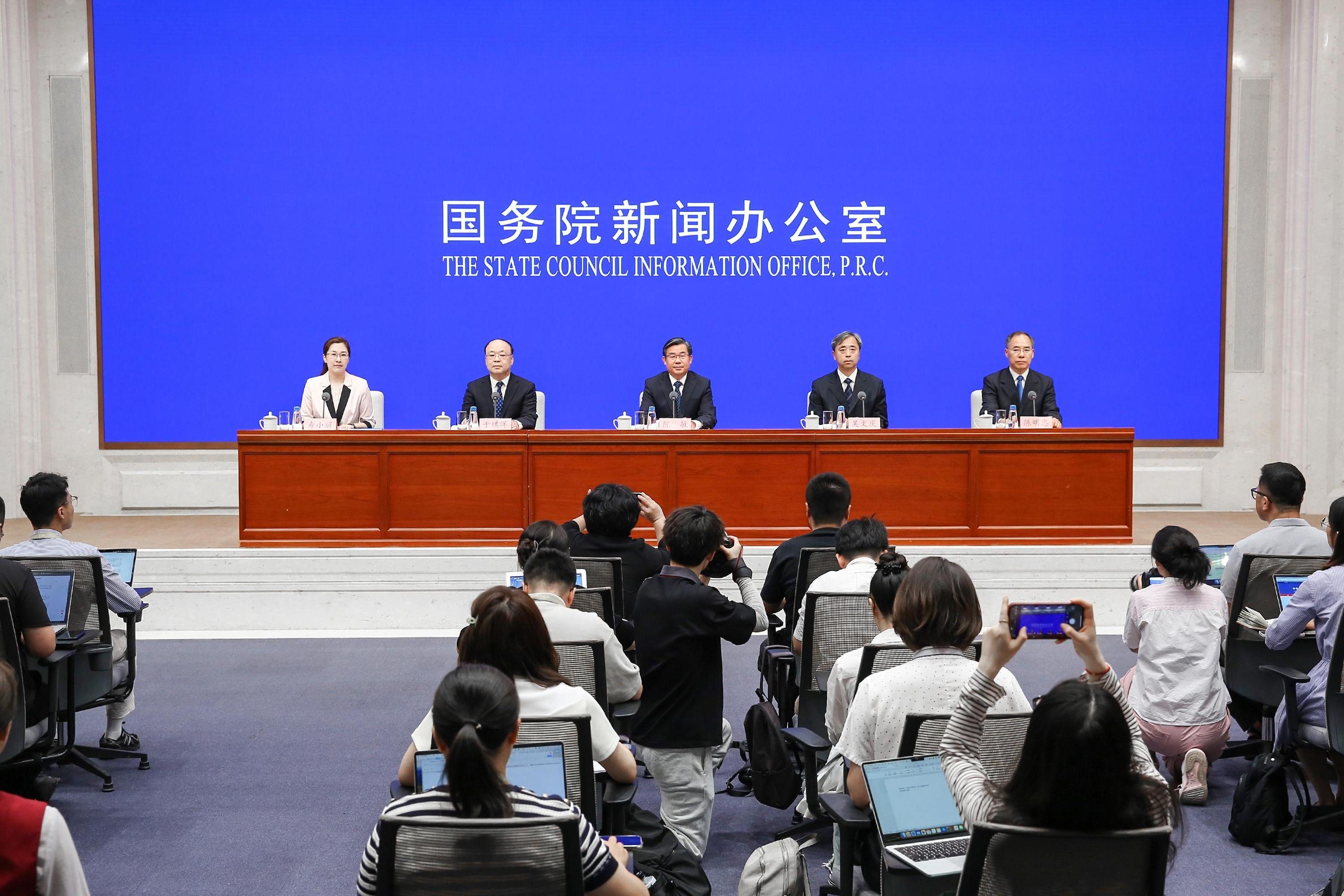
Speakers:
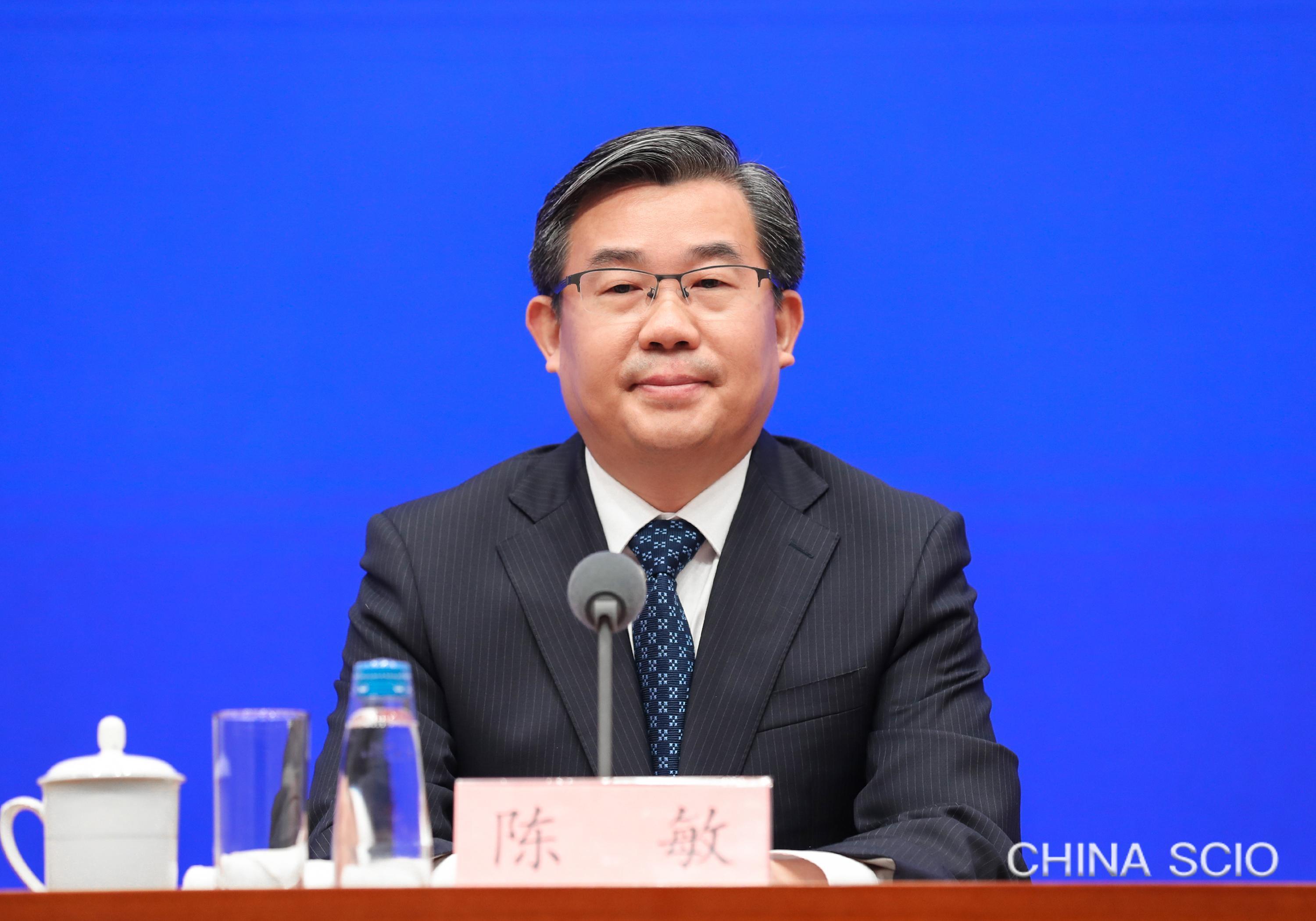
Mr. Chen Min, vice minister of water resources
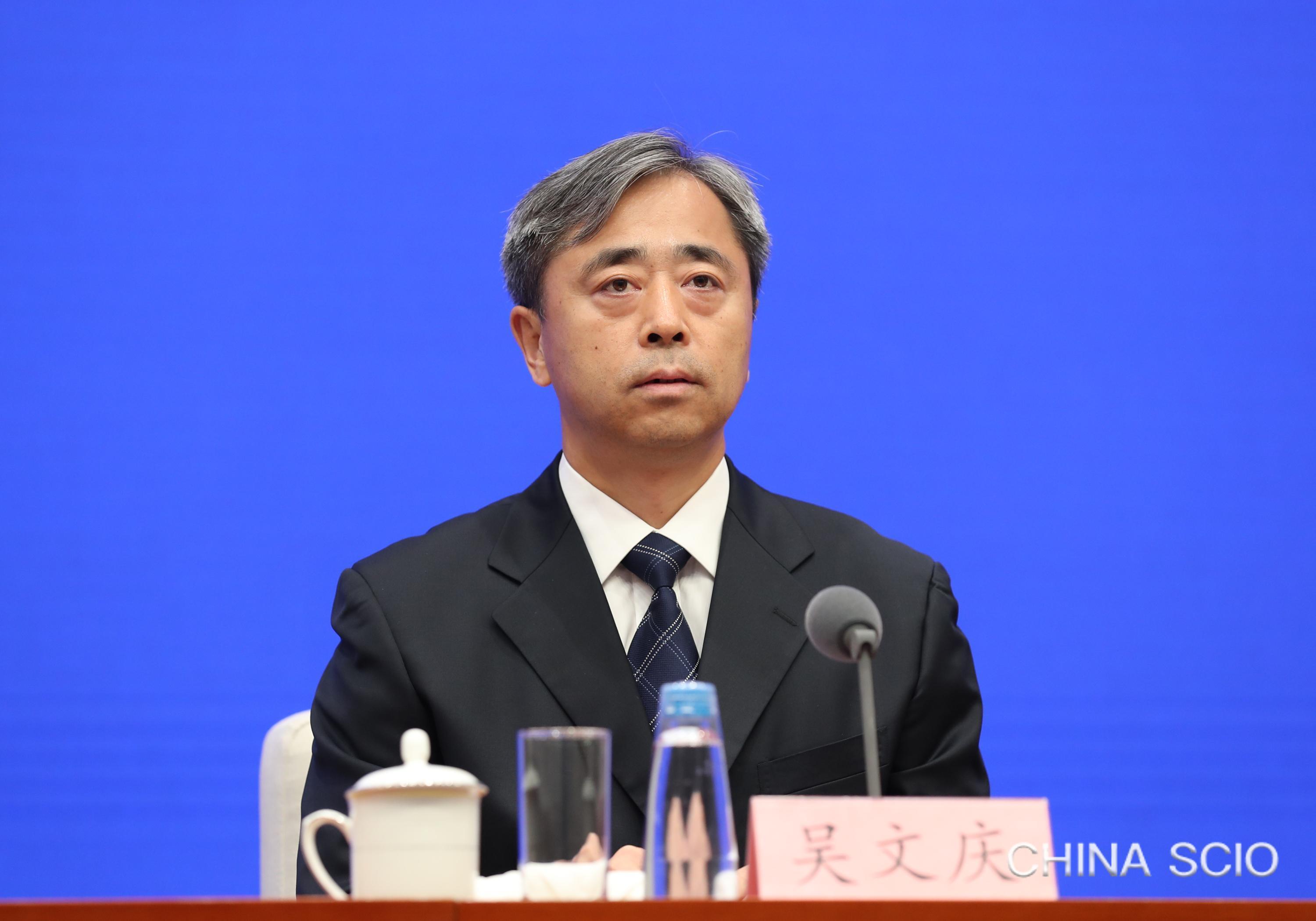
Mr. Wu Wenqing, chief planner of the Ministry of Water Resources (MWR)
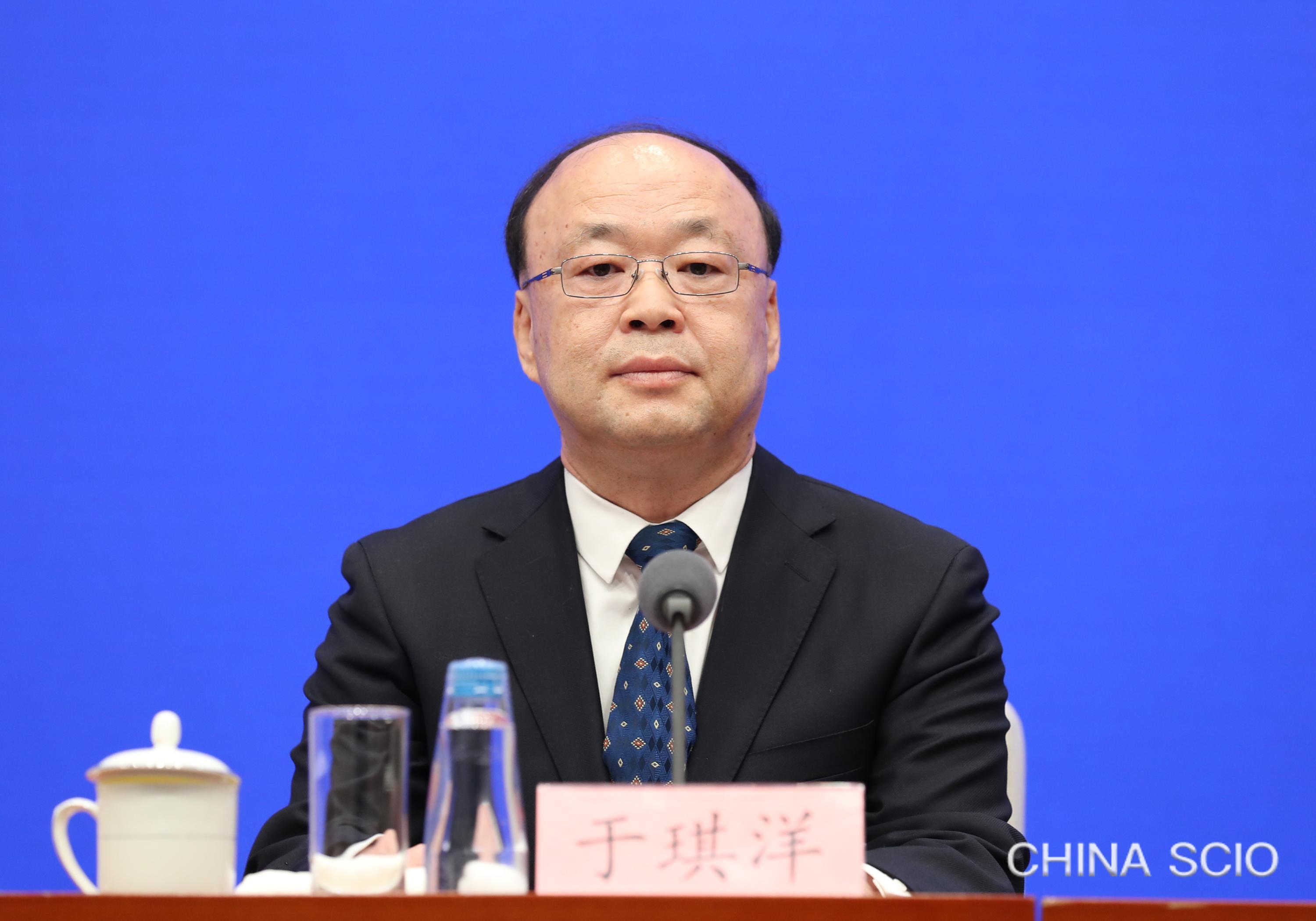
Mr. Yu Qiyang, director general of the Department of Water Resources Management of the MWR
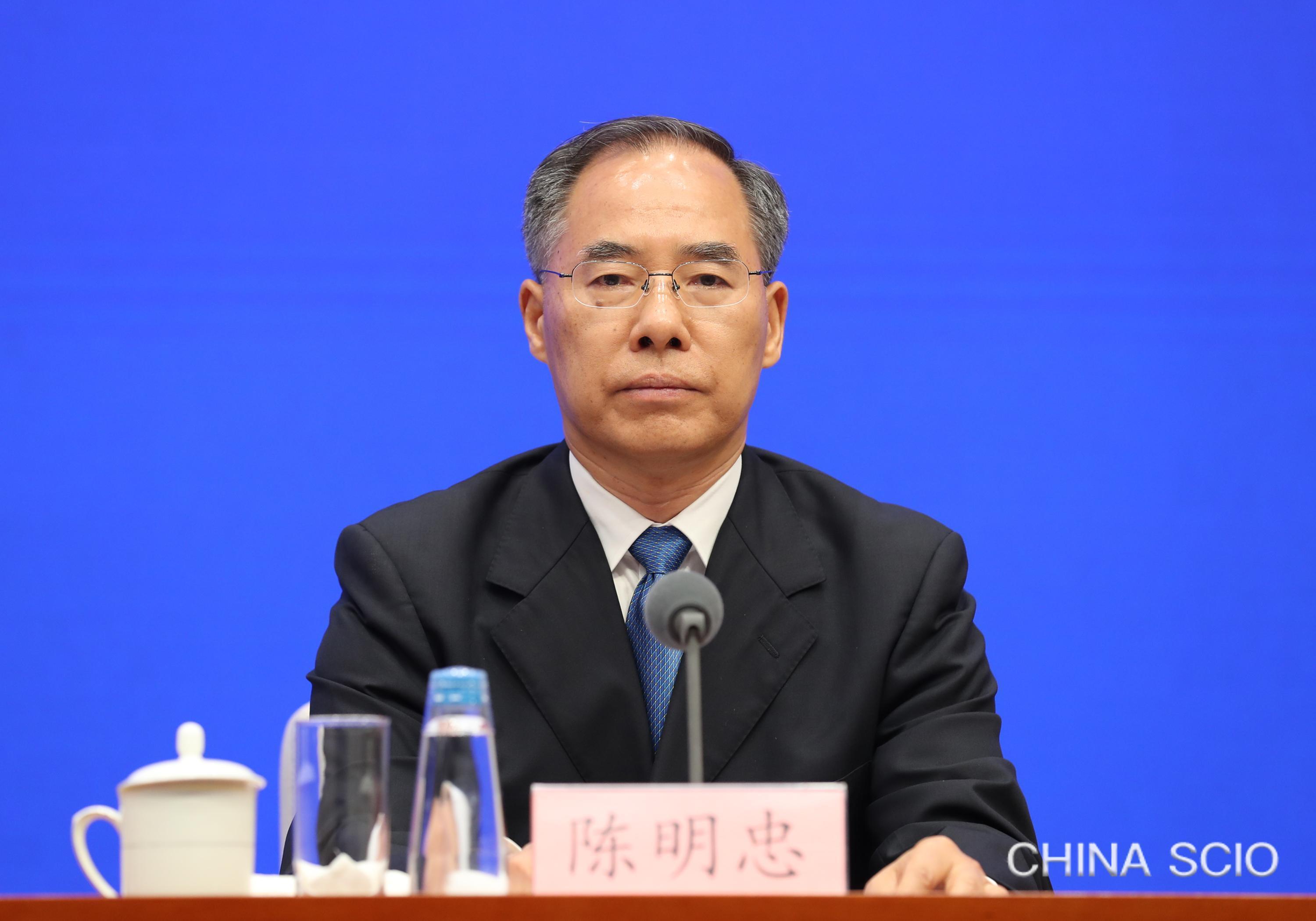
Mr. Chen Mingzhong, director general of the Department of Rural Water and Hydropower of the MWR
Chairperson:
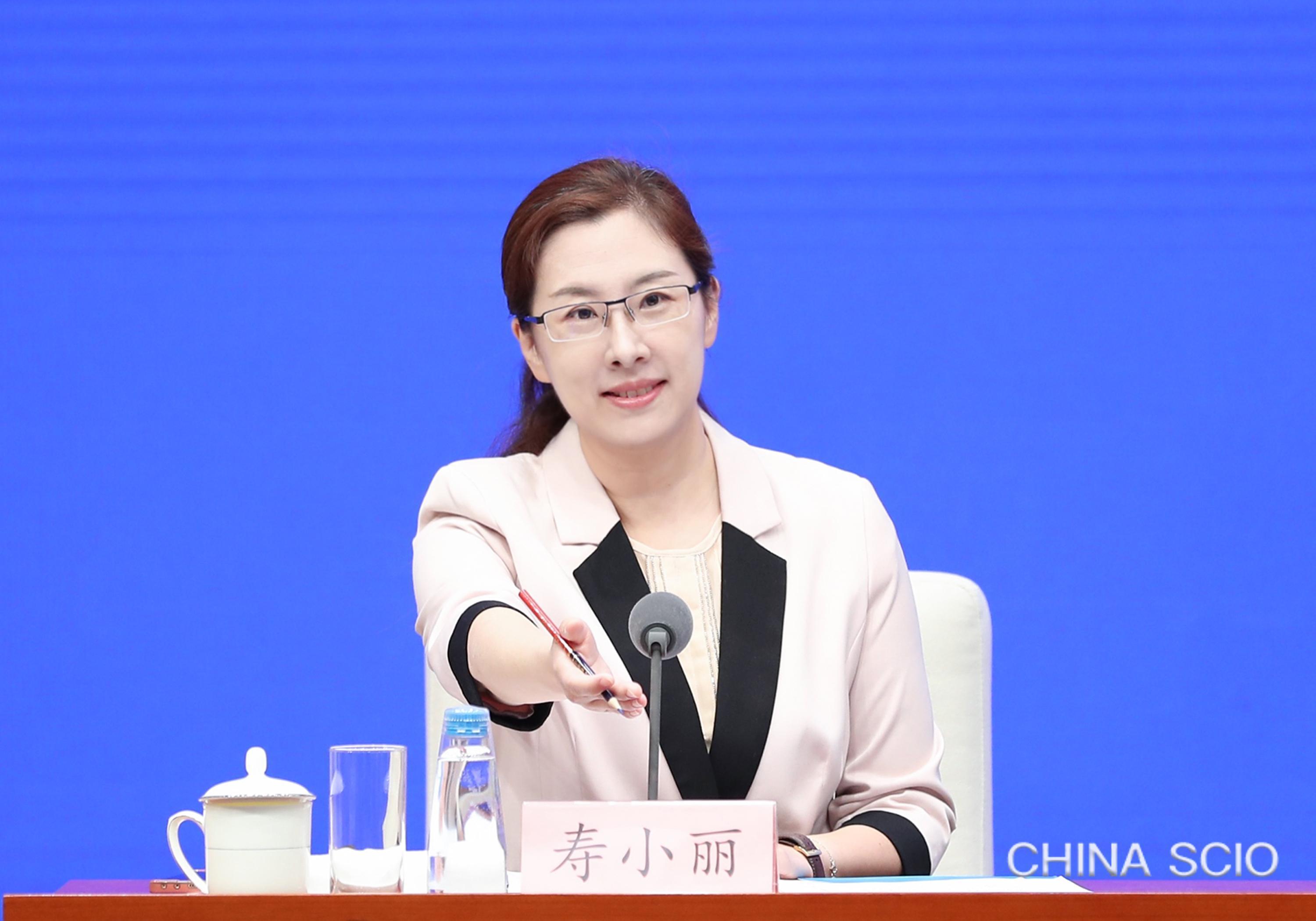
Ms. Shou Xiaoli, director general of the Press Bureau of the State Council Information Office (SCIO) and spokesperson of the SCIO
Date:
June 18, 2024
Shou Xiaoli:
Ladies and gentlemen, good morning. Welcome to this press conference held by the State Council Information Office (SCIO), as part of the series "Promoting High-Quality Development." Today, we have invited Mr. Chen Min, vice minister of water resources, to brief you on relevant developments and to take your questions. Also present today are Mr. Wu Wenqing, chief planner of the Ministry of Water Resources (MWR); Mr. Yu Qiyang, director general of the Department of Water Resources Management of the MWR; and Mr. Chen Mingzhong, director general of the Department of Rural Water and Hydropower of the MWR.
Now, I'll give the floor to Mr. Chen for his introduction.
Chen Min:
Ladies and gentlemen, first of all, I would like to express my gratitude to the friends from the media and people of all walks of life for your long-term interest in and support for China's water conservancy undertakings.
General Secretary Xi Jinping pointed out that to promote Chinese modernization, it is essential to consider water resources issues, and water conservancy modernization is an integral part of Chinese modernization. Water conservancy is a fundamental support and vital driving force for achieving high-quality development. Since the 18th National Congress of the Communist Party of China (CPC), General Secretary Xi Jinping, with a strategic vision of ensuring the sustainable development of the Chinese nation, has proposed the water management strategy of "prioritizing water conservation, balancing spatial distribution, taking systematic approaches, and giving full play to the roles of both government and market." In this way, a national "river strategy" has been formulated, drawing a grand blueprint for the country's water network. Thoroughly implementing General Secretary Xi Jinping's water management strategy and the guiding principles of his important discourses in this regard, the MWR has coordinated high-quality development with high-level security and protection, and taken a holistic approach to the management of water-related disasters, water resources, water ecology and water environment. The MWR has committed itself to deepening water conservancy reform, aiming to enhance the intrinsic motivation for high-quality development. We have constantly improved the capacities for flood and drought prevention, efficient and intensive use of water resources, optimal allocation of water resources, and ecological conservation of rivers and lakes. These reforms have been consistently integrated into our work, effectively ensuring China's security in terms of flood prevention, water supply, food and ecology.
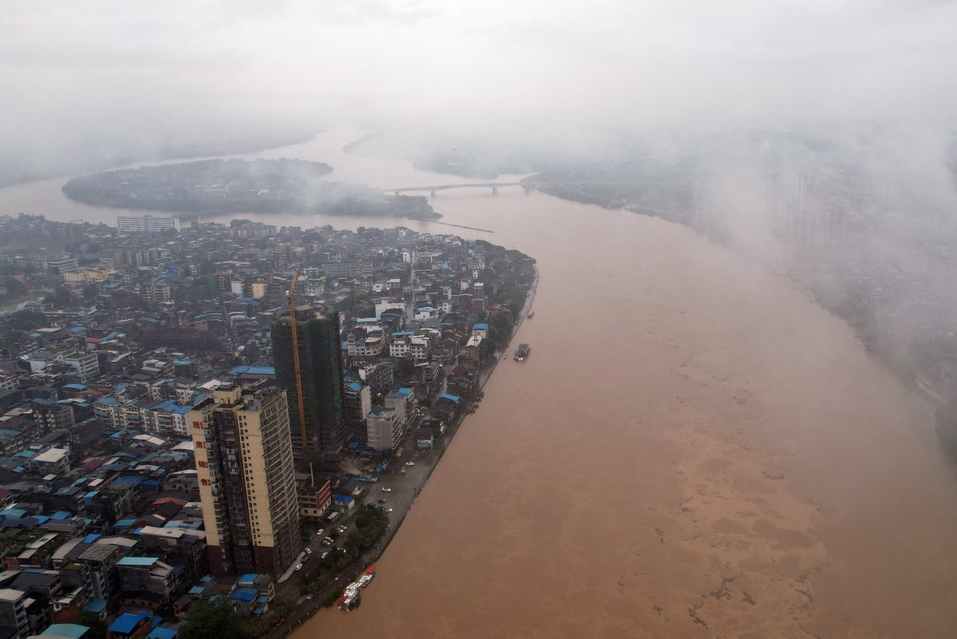
We have continued to put people first to ensure the utmost protection of people's lives and property. We have accelerated the improvement of the river basin flood prevention project system, rainwater monitoring and forecasting system, and flood and drought prevention system. As a result, China's overall capacity for flood and drought prevention has significantly increased, with flood losses as a percentage of GDP falling from 0.51% in the previous decade to 0.24%. In the past three years, we have successfully managed several major historic floods, including the worst autumn flood along the middle and lower reaches of the Yellow River since the founding the People's Republic of China, the "23-7" super large flood in the Haihe River Basin, and the worst flooding of the Beijiang River in the Pearl River Basin since 1915. These efforts have ensured peace for the people and social stability by maintaining the tranquility of rivers and lakes.
We have prioritized water conservation to enhance the capacity for efficient and intensive use of water resources. We have conducted the national water conservation campaign and refined related systems and polices, tightening rigid constraints on water resources. Over the past decade, while nearly doubling the GDP, China has achieved zero growth in total water consumption, maintaining it below 610 billion cubic meters. Our water consumption per 10,000 yuan of GDP and per 10,000 yuan of industrial value added have decreased by 41.7% and 55.1%, respectively. Notably, the water use efficiency of agriculture, the largest water consumer, has continuously improved, with the average water consumption per mu (around 0.07 hectare) of irrigated farmland falling to below 350 cubic meters, a reduction of nearly 13% compared with 10 years ago. As a result, the irrigated area and grain production have steadily increased while water consumption has remained stable.
We have adhered to the principle of balancing spatial distribution to promote comprehensive improvement of water resources allocation. Focusing on networking, supplementation and chain enhancement, we have advanced the implementation of national key water network projects, as represented by the South-to-North Water Diversion Project. We have coordinated the high-quality development between regional water networks and provincial, municipal and county-level water networks, substantially intensifying the water resource support for the implementation of national strategies. Over the past decade, the newly added water supply capacity of water conservancy projects nationwide has reached around 200 billion cubic meters, three times that of the previous decade. Additionally, the irrigated farmland area has expanded by about 87 million mu, bringing the total area of effectively irrigated farmland to 1.06 billion mu. Tap water coverage in rural areas has reached 90%.
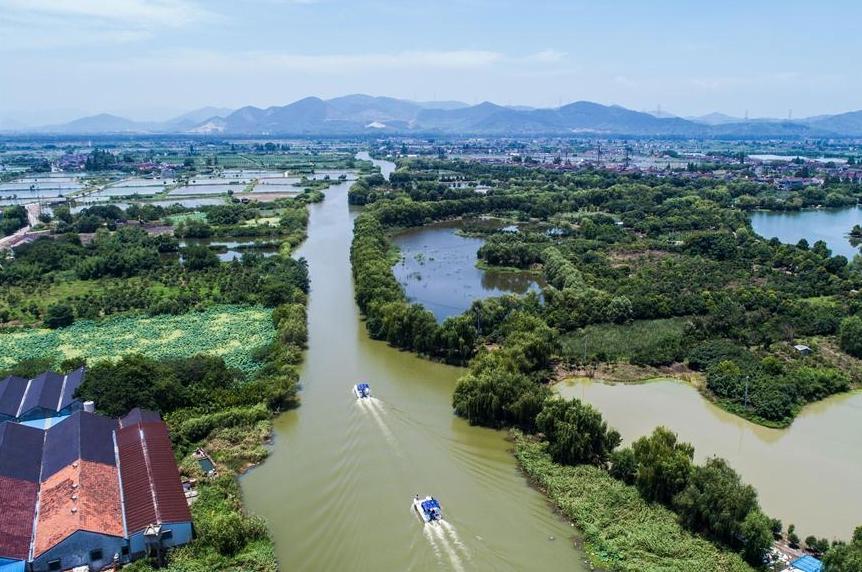
We have always taken systematic approaches to maintaining the health and vitality of rivers and lakes to higher standards. We have emphasized harmonious coexistence between humanity and nature, and continuously taken a holistic and systematic approach to the protection and conservation of mountain, water, forest, farmland, grassland and desert ecosystems. The river chief and lake chief systems have been fully established, with 1.2 million river and lake chiefs at the provincial, municipal, county, township and village levels performing their duties. We have launched a mother river revival initiative, resulting in continuous water flow along the Beijing-Hangzhou Grand Canal for three consecutive years after a century of interruption. Beijing's mother river, the Yongding River, has seen year-round water flow throughout its entire course after 26 years of interruption. The groundwater levels in the over-extracted areas of north China have significantly risen. Over the past decade, we have managed soil erosion across 620,000 square kilometers. As a result, more rivers and lakes are experiencing increased water volumes, improved water quality and more beautiful landscapes.
We have adhered to the principle of leveraging both government and market roles, making integrated efforts to ensure law-based management systems and mechanisms for water resources. We have promulgated and implemented the Yangtze River Protection Law and the Yellow River Protection Law, as well as regulations for managing groundwater and conserving water. Moreover, we have ensured the implementation of two mechanisms: one for coordinating water resources administrative law enforcement and criminal justice and another for cooperation between water resources law enforcement and procuratorial public interest litigation. Intensified efforts have been made to enhance the overall planning, improvement, distribution, and management of river basins. We have deepened reforms of market-based trading of water use rights, water pricing, and water conservancy investment and financing systems. Moreover, an ecological product value conversion deal for soil and water conservation was signed in Anji county, Zhejiang province. China's first carbon sink trade agreement for soil and water conservation projects was signed in Changting county, Fujian province. Additionally, Sichuan province and Ningxia Hui autonomous region completed China's first cross-provincial water use rights transaction. A water conservancy investment and financing mechanism has taken shape, combining fiscal funds, government bonds, financial credit, and private capital. Investment in water conservancy facilities nationwide has surpassed 1 trillion yuan for two consecutive years.
Historic achievements and transformative changes in China's water resources management have proved that General Secretary Xi Jinping's water governance perspectives represent a correct approach to water governance that has led to significant achievements in China's practices. They have contributed to China's growing strengths, promoted the country's national rejuvenation, integrated Chinese philosophy and wisdom, pursued inclusive development for both humanity and the world, and carried both Chinese characteristics and global significance. The Chinese and English versions of "Water Governance in China – Perspectives of Xi Jinping" have elicited a positive response since their publication, contributing Chinese wisdom and solutions to address global water security challenges.
In a new era and on a new journey, the MWR will further implement the guiding principles of the 20th CPC National Congress, and resolutely practice General Secretary Xi Jinping's water governance perspectives and important expositions on water governance. Our focus is on advancing high-quality development in the water sector and enhancing the ability to safeguard water security for building a great modern socialist country in all respects and achieving national rejuvenation through the Chinese path to modernization.
That's all for my introduction. I will now answer questions from journalists. Thank you.
_ueditor_page_break_tag_
Shou Xiaoli:
Thank you, Mr. Chen, for your introduction. The floor is now open for questions. Please identify the media outlet you represent before asking your question.
Economic Daily:
The Outline of the National Water Network Construction Plan has been in place for over a year now. What progress has been made in building this network? How has it benefited people's daily lives? Thank you.
Chen Min:
This is indeed an issue of great concern to many. I'll now invite Mr. Wu to address your questions.
Wu Wenqing:
Thank you for your interest in the construction of our national water network. Since the CPC Central Committee set major strategic arrangements to accelerate the construction of the national water network, the MWR has focused on the following targets. We aim to create a well-developed system that is safe and reliable, intensively and efficiently managed, green and intelligent. This system must also feature smooth circulation and orderly regulation and control. Intensified efforts have been made to advance the building of the national water network. This aims to ensure the country's water security more broadly and at a higher level, while providing strong support for promoting high-quality development and enhancing people's well-being.
First, we have expedited the improvement of the core framework and vital arteries of the national water network. The first phase of the eastern and middle routes of the South-to-North Water Diversion Project have cumulatively transferred more than 72.9 billion cubic meters of water. This has become an important water source for 44 large- and medium-sized cities along the routes, benefiting 176 million people. For example, the middle route provides water for over 75% of Beijing's population and almost 100% of urban Tianjin. We've also stepped up efforts to promote the high-quality development of follow-up projects. Construction has begun on the middle route project to channel water from the Yangtze River to the Hanjiang River. We're also expediting the groundwork for the western route and follow-up projects for the eastern route. Furthermore, we will establish a water source security and quality system for the middle route. We'll intensify efforts to protect water sources and ensure that water transferred from south to north remains clean.
Second, we have bolstered the construction of key national water network projects. Since 2022, several mega cross-basin and cross-regional water transfer projects have been completed and put into operation. These include water diversion projects from the Yangtze River to the Huaihe River, from the Hanjiang River to the Weihe River, and water resource allocation projects in the Pearl River Delta. We've begun construction on several major projects, such as the Beibu Gulf Rim water resources allocation project and key water network projects in Jilin province. Moreover, we have started building 26 major large-scale water management projects. These include the Linhai Reservoir in Heilongjiang province, Xiangyang Reservoir in Chongqing municipality, Taoyuan Reservoir in Yunnan province, Changtang Reservoir in Guangxi Zhuang autonomous region, and Huatanzi Reservoir in Guizhou province. These projects will provide a solid foundation for water security during the implementation of major national strategies. These include the development of the western region, the rise of the central region, the comprehensive revitalization of northeast China, the integrated development of the Yangtze River Delta, and the construction of the Guangdong-Hong Kong-Macao Greater Bay Area. They will also promote the optimization and adjustment of population density, economic layout, and territorial space utilization patterns.
Third, we have coordinated the planning and development of water networks at the provincial, city and county levels. To date, all provincial-level water network development plans have been approved and implemented, while 72% of city-level and 40% of county-level plans have been formulated. The MWR has initiated the construction of water network pilot areas at the provincial, city, and county levels, fully leveraging the role of pilot areas in boosting the development of water networks at all levels by actively drawing from local experience. At the same time, we have enhanced collaboration and integration of water networks at all levels and strengthened the coordinated development of water networks and related industries. We've also developed digital twin water networks and accelerated the development of a national water network system. This system aims to integrate urban and rural areas and improve interconnectivity. By doing so, we have bolstered the high-quality development of our economy and society while continuing to improve the well-being of our people.
_ueditor_page_break_tag_
Nanfang Daily, Nanfang Plus:
In recent years, global and regional climate change has become increasingly extreme, exerting great pressure on flood and drought prevention efforts. Could you outline the measures the MWR has implemented to prevent flood and drought disasters? Thank you.
Chen Min:
In recent years, extreme weather events have occurred frequently. Flood and drought disasters have grown more unpredictable and sudden. The MWR has acted on the principles proposed by General Secretary Xi Jinping on disaster prevention, mitigation and relief. Specifically, this means giving priority to disaster prevention while combining prevention, response and relief efforts; integrating routine disaster reduction with emergency disaster relief; shifting the focus from post-disaster relief to pre-disaster prevention; transforming our approach from responding to single disasters to comprehensive disaster reduction; and changing our strategy from reducing disaster losses to mitigating disaster risks. To achieve these goals, the ministry has focused its efforts on three areas:
In terms of the river basin flood prevention project system, we have actively promoted the construction of reservoirs, river channels, levees, and flood storage areas. Some of our key flood control projects include reservoirs like Yaojiaping in the Yangtze River Basin, Dongzhuang in the Yellow River Basin, and Datengxia in the Pearl River Basin. We've also focused on flood control in the lower reach of the Yellow River and along the Wusong River near Taihu Lake, as well as the construction of the Phase II of the Huaihe River sea channel and national flood storage and detention areas. Additionally, we've implemented large-scale projects to harness small- and medium-sized rivers, reinforce dilapidated reservoirs, and prevent and control mountain floods. Over the past decade, we've increased storage capacity by 163.2 billion cubic meters and added about 60,000 kilometers of grade 5 or higher levees. Over the past two years, we've made significant progress in constructing key levees along the main channels of major rivers and lakes, ensuring they meet the required standards. As a result, all levees around Taihu Lake meet the required standards, and all those along the Liaohe River's main channel will meet these standards within this year.
In terms of rainfall and water condition monitoring and forecasting systems, we have accelerated the construction of "three lines of defense" comprising weather satellites and rain radars, rainfall stations, and hydrological stations, to ensure both longer flood forecast periods and higher accuracy. We have established a modernized system for rainfall and water condition monitoring and forecasting in the Guanting Valley section of the Yongding River, which is the first of its kind to consider the river basin as a unit. The number of all types of hydrological stations across the country has increased from over 70,000 in 2012 to more than 120,000 at present. Monitoring and early warning platforms for mountain flood disasters have been set up in 2,076 counties and districts with disaster prevention and control responsibilities. Water condition monitoring and forecasting capabilities have continuously improved, with the accuracy of flood forecasting for major rivers rising to over 90% in the south and over 70% in the north.
In terms of the disaster prevention and control system, we have consistently focused on the following goals: no casualties, no dam failures at reservoirs, no breaches of important levees, and no impacts on critical infrastructure. Additionally, we guarantee the safety of urban and rural water supplies. We have coordinated responses to storms, floods, dangers and disasters. We have also enhanced forecasting, early warning, disaster drills and preparedness. We have strictly performed our functions in flood prevention and drought relief according to the law, taken thorough actions to identify and address risks and potential dangers, updated various response plans on a rolling basis, and strengthened the unified coordination of water conservancy projects in river basins. By doing so, we have effectively responded to major floods and severe droughts. This year, the Beijiang River in the Pearl River Basin experienced an exceptionally large and early flood compared to previous years. Through effective prediction and forecasting of water conditions and scientific coordination of flood prevention projects, we greatly alleviated the severe flood situation in the Beijiang River. This ensured flood safety for key protected areas in the Guangdong-Hong Kong-Macao Greater Bay Area.
Next, the ministry will stay prepared to deal with worst-case and extreme scenarios and accelerate the construction of a safe and reliable system to protect against floods and droughts, steadfastly safeguarding the bottom line of safety.
Thank you.
_ueditor_page_break_tag_
BRTV:
In recent years, the environment of our rivers and lakes has been improving. As a result, people have more places to enjoy water-related activities. What has the MWR done to improve the environment of rivers and lakes? What areas will the ministry focus on in its next steps? Thank you.
Chen Min:
These questions will be answered by Mr. Yu from the Department of Water Resources Management of the MWR.
Yu Qiyang:
Thank you for your question. The ecological environment of rivers and lakes is of great concern to everyone, as it's closely related to economic and social development and directly impacts people's quality of life. The MWR places great importance on protecting the ecological environment of rivers and lakes. We adhere to the concept of harmonious coexistence between humans and nature, continuously deepening our approach to river ethics. We consistently view rivers as living entities and focus on adjusting values, moral standards, responsibilities and behavioral norms concerning the relationship between humans and rivers. We have vigorously promoted the ecological restoration of rivers and lakes, resulting in significant improvements in the condition of our country's rivers and lakes.
We have made further efforts to revitalize our mother rivers. As everyone knows, the Yangtze River and Yellow River are our nation’s mother rivers, and each region has its own mother river. However, economic and social development, global climate change, and natural endowment constraints have led to rivers running dry and lakes shrinking and drying up in many regions. To address these challenges, we have implemented a series of measures to restore and protect the ecological environment of our rivers and lakes. First of all, we initiated a nationwide restoration project focusing on 88 mother rivers and lakes (79 rivers and 9 lakes) across various regions. For each river and lake, we implemented protection and restoration measures through "one river, one policy" and "one lake, one policy" approaches. These measures include ecological water replenishment, optimizing water resource scheduling and comprehensive management. For example, since 2018, we have continuously carried out ecological water replenishment actions in north China. Since 2022, we have continuously implemented water replenishment actions for the Beijing-Hangzhou Grand Canal. These actions have increased the length of rivers with water and the area of rivers and lakes with water, achieving positive results. Of the 88 mother rivers and lakes, 56 rivers have achieved full-length flow at least once, while restoration efforts on other rivers continue to show progress. All nine lakes have either reached their ecological water level targets or met their water replenishment goals. As Mr. Chen mentioned earlier, Beijing's mother river, the Yongding River, which had been cut off for 26 years, has now flowed its full length for four consecutive years. The Beijing-Hangzhou Grand Canal, which had been cut off for 100 years, has achieved full-length flow for three consecutive years, achieving positive results.
The second measure is to effectively ensure ecological water flow in rivers and lakes. Ecological flow is an important indicator of the degree of ecological water protection for rivers and lakes. To this end, we have comprehensively strengthened the management of ecological flow. Since 2020, we've established ecological flow targets for 171 major interprovincial rivers and 546 provincial rivers and lakes, implementing regulatory measures to ensure these goals are met. Currently, a comprehensive ecological flow guarantee system for important interprovincial rivers has been established nationwide, significantly improving the degree of ecological water protection for rivers and lakes. Monitoring indicates that over 90% of rivers consistently meet their ecological flow targets, effectively safeguarding the water ecosystems of rivers and lakes. Among other important rivers and lakes, the Yellow River has flowed uninterrupted for 24 years, while the East Juyan Lake at the Heihe River's end has maintained water for 19 consecutive years. This is quite remarkable.
The third measure focuses on intensifying efforts to treat groundwater overextraction. In recent years, we have continuously strengthened the dynamic monitoring and management of groundwater. For key areas and issues, the MWR, together with relevant ministries, has continuously carried out rectification actions. For example, in water receiving areas of the first phase of the eastern and middle routes of the South-to-North Water Diversion Project, diverted water was used to reduce ground water extraction. In north China, two groundwater overextraction treatment actions have been implemented, targeting 10 key areas, including the Sanjiang Plain and the Huang-Huai Plain. The main measures include water saving and controlling to reduce groundwater use, replacing groundwater extraction with surface water, and optimizing water resource allocation and scheduling. The results have been significant. For example, north China, especially in the Beijing-Tianjin-Hebei region, saw significant groundwater recovery in 2023. Compared to 2020 levels, shallow groundwater rose by an average of 2.71 meters, while deep confined groundwater increased by 6.42 meters.
Moving forward, the MWR will continue to intensify the protection and restoration of rivers and lakes. We will firmly promote the revival actions of mother rivers, strengthen comprehensive treatment of groundwater overextraction, enhance the optimization and unified scheduling of water resources, continuously implement ecological water replenishment for rivers and lakes, improve the guaranteed degree of ecological flow, and promote the continuous improvement of the ecological environment of rivers and lakes.
Thank you.
_ueditor_page_break_tag_
CCTV:
Over the past seven years of implementing the river chief system, what measures has the MWR taken, and what progress has been made? How have the conditions of the rivers and lakes changed? Thank you.
Chen Min:
I will take this question. First, I would like to thank you for your interest in the river chief system, which is a major institutional innovation. Over the past seven years since the implementation of the system, the MWR has taken a series of measures and achieved significant results.
We achieved results in building a system of responsibility. The system of responsibility resting with the Party and government officials is the cornerstone of the river chief responsibility system. The 31 provincial-level river chiefs are mainly figures from Party committees and government. Over 1.2 million river and lake chiefs have been appointed across the five tiers of province, city, county, township and village to ensure that every river is under management. A dynamic adjustment and responsibility replacement mechanism has been established to ensure the continuous accountability of river chiefs.
We made progress in terms of improving the working mechanisms. Provincial-level river chief joint conference mechanisms have been established for the seven basins of the Yangtze River, Yellow River, Huai River, Hai River, Pearl River, Songhua River-Liaohe River and Taihu Lake, coordinating joint prevention, control and treatment efforts upstream and downstream, on both sides of the rivers, as well as the main streams and tributaries. The "river chief plus police chief" and "river chief plus prosecutor" mechanisms have been effectively utilized to strengthen the connection between water administration enforcement and criminal justice, and to collaborate with public interest litigation by prosecutors, thereby addressing key issues in water administration enforcement.
We yielded results in advancing protection and management. The advantages of the river chief system have been fully leveraged to tackle issues with rivers and lakes. Over 240,000 cases of illegal occupation, mining, piling and construction have been addressed. Illegal constructions of 146 million square meters have been demolished, 98 million metric tons of garbage cleared, and over 18,000 illegal sand dredging ships dealt with. Various specialized actions for river and lake protection have been carried out, such as the Yangtze River shoreline utilization cleanup project, restoring 162 kilometers of the Yangtze's shoreline, and greening 12.25 million square meters. The specialized management of Danjiangkou Reservoir has restored 14.48 million cubic meters of flood control capacity and removed 24,400 square meters of net cages.
We delivered results in creating "happy" rivers and lakes. Happy rivers and lakes refer to modern rivers and lakes that meet the requirements of high-quality development in the new era — safe, clean, healthy, ecologically livable, harmonious, prosperous and beneficial to the people. So far, more than 9,800 health assessments on rivers and lakes have been completed, and health records have been established. In cooperation with the Ministry of Finance, support has been provided for 62 happy river and lake construction projects, leading to the creation of over 3,200 such rivers and lakes nationwide. As a result, the rivers and lakes around the people now flow more smoothly, and are cleaner, greener and more beautiful, enhancing the sense of gain, happiness and security.
Thank you.
_ueditor_page_break_tag_
Phoenix TV:
My concern is regarding water supply issues in rural areas. Rural water supply is closely related to rural production and life. In recent years, the MWR has taken many measures to promote high-quality development of the rural water supply. Could you please elaborate on this? Thank you.
Chen Min:
I would like to invite Mr. Chen to answer this question.
Chen Mingzhong:
Rural water supply is closely related to the production and lives of rural residents. In recent years, the MWR has advanced high-quality development of the rural water supply, released guidelines on promoting high-quality development of the rural water supply, and clearly outlined the development path and next steps. The path involves implementing the "3+1" standardized construction and management model. The "3" refers to prioritizing urban-rural integrated water supply, scaling up centralized water supply, and standardizing and renovating small-scale water supply projects according to local conditions. The "1" refers to prioritizing project management and promoting county-level unified management. In May, the MWR held an on-site meeting in Guyuan, Ningxia, to deploy this work across the region.
First, we prioritized advancing the integration of urban and rural water supplies. We confirmed that by leveraging existing major water resources and main connected pipeline networks, particularly along large water diversion projects and around large and medium-sized reservoirs, especially in the suburbs of cities, the goal is to connect, expand and merge networks wherever possible. Many regions nationwide have made significant progress in the urban-rural integrated water supply. For example, Shanghai and Jiangsu achieved urban-rural integrated water supply, and even Guyuan in Ningxia, once known for its water scarcity and poverty, has achieved urban-rural integrated water supply, with the same source, network, quality, regulation and service covering both urban and rural areas.
Second, we will vigorously promote the scaling-up of centralized water supply. In areas where it is difficult to extend coverage of urban pipelines, we will adhere to the principles of "building large, merging medium and reducing small systems" to develop centralized water supply on a larger scale. "Building large" refers to constructing rural water supply projects that can provide for more than 10,000 people and handle over 1,000 metric tons of water daily. "Merging medium" refers to encouraging the networking, connection, alignment and combination of medium-sized centralized water supply projects. "Reducing small" involves downsizing small-scale and decentralized water supply systems. In densely populated townships, we aim to plan and build large-scale water supply projects capable of providing for over 10,000 people and handling over 1,000 metric tons of water daily, using these as hubs to extend services to scattered users, thereby maximizing the reach of the large-scale water supply. For areas where large-scale projects are not feasible, we will implement standardized construction and renovation of small water supply systems. For remote and sparsely populated areas that cannot be integrated into larger systems, we will promote standardized construction tailored to local conditions, ensuring no household or individual is left out. The MWR has issued standards and norms for the standardized construction of small water supply projects, which include a set of standardized procedures and models to guide these renovations. For instance, as Zhejiang province has many mountainous areas and a relatively dispersed population, it initiated the renovation of 8,828 single-village water stations, transforming them into standardized systems to ensure no village or individual is left behind, thus achieving the goal of uniform water quality across urban and rural areas.
Finally, we will promote county-level unified management of the rural water supply. Using counties as units, we will select professional organizations to establish and improve specialized rural water supply management platforms, achieving unified management, monitoring, operations and services within each county, to ensure that professional management achieves full coverage. These efforts have produced significant results over the past few years. A total of 72.8 billion yuan has been allocated for construction of rural water supply projects this year, with over 3,500 projects completed, thereby improving the water supply security for 17.51 million rural residents. The coverage rate of tap water in rural areas has surpassed 90%, up by 10 percentage points compared to 10 years ago, providing more than 100 million additional rural residents with access to tap water. Going forward, we will continue to promote this progress following the "3+1" model, continuously enhancing the high-quality development of the rural water supply.
Thank you.
_ueditor_page_break_tag_
21st Century Business Herald:
Investment in water conservancy construction has exceeded 1 trillion yuan for the past two years. What is the situation regarding water conservancy investment this year? And what measures will be taken to maintain the scale of water conservancy investment and raise funds in the sector? Thank you.
Chen Min:
This is a very good question, and one that has attracted considerable public attention. I would like to invite Mr. Wu to answer.
Wu Wenqing:
Thank you for your interest in water conservancy construction. In the past two years, water conservancy investment has been continuously strengthened. In 2023, investment in water conservancy construction reached 1.1996 trillion yuan, setting a new record, and having surpassed the 1-trillion-yuan mark for the first time in 2022. Since the beginning of this year, the national water conservancy system has focused on post-disaster reconstruction and made every effort to promote the construction of water conservancy infrastructure. From January to May, both construction investment and project implementation exceeded the levels of the same period last year.
In terms of investment implementation, a total of 924.6 billion yuan has been invested in water conservancy construction nationwide, an increase of 274.3 billion yuan and up by 42% year on year. A total of 26 provinces have invested more than 10 billion yuan each, among which Hebei, Zhejiang, Guangdong, Sichuan, Hubei, Beijing, Anhui and Henan have each invested more than 40 billion yuan, strongly guaranteeing the demand for large-scale water conservancy construction funds.
In terms of investment completion, a total of 421.3 billion yuan has been invested in water conservancy construction nationwide, an increase of 17 billion yuan and up by 4.2% year on year. Among these, Guangdong and Hebei have each invested more than 30 billion yuan, and Zhejiang, Shandong, Fujian, Sichuan, Anhui and 11 other provinces have each invested more than 10 billion yuan. Funds for water conservancy projects from the additional issuance of national bonds have reached 147.6 billion yuan. The construction of water conservancy projects has created 1.295 million jobs, up by 7.2% year on year, among which 1.038 million rural laborers have been employed, up by 16% year on year, effectively playing a crucial role in stabilizing growth and employment.
In terms of project implementation, 34,000 water conservancy projects have been implemented nationwide, up by 22.5% year on year. Among these, 1,340 new water conservancy projects with a total investment of over 100 million yuan have started construction, up by 52% year on year.
This year, the tasks for water conservancy construction are serious and the demand for investment is large. Next, the MWR will guide local departments and project entities to adhere to a two-pronged approach. This means that while making good use of the additional issuance of national bonds, we will continue to strive for special local government bonds, bank loans and social capital investments. On the basis of ensuring quality and safety, we will accelerate project construction, create more tangible work output, further strengthen the foundation of water security, and make contributions to consolidating and enhancing the trend of economic recovery and improvement.
_ueditor_page_break_tag_
The Paper.cn:
Large - and medium-sized irrigation areas play a crucial role in ensuring national food security. What progress has the MWR made in the construction and renovation of these irrigation areas ? Thank you.
Chen Min:
I would like to invite Mr. Chen Mingzhong to answer this question.
Chen Mingzhong:
Thank you for your question and concern. Grain production, with farmland as the fundamental element, is supported by water conservancy systems. As just mentioned by the journalist, large- and medium-sized irrigation areas play a crucial role in ensuring national food security. The MWR attaches great importance to the construction and transformation of large- and medium-sized irrigation areas and continues to strengthen and expand water conservancy infrastructure to support food security. This is evident in the following aspects:
First, we are continuously improving irrigation and drainage systems and effectively increasing irrigated areas. We have been promoting the development and renovation of irrigated zones for two to three decades. By the end of the 14th Five-Year Plan period (2021-2025), 200 billion yuan from central budget will have been allocated to modernize and upgrade more than 2,500 large- and medium-sized irrigation areas, further enhancing the irrigation and drainage system. The size of our irrigated farmland has increased by more than 87 million mu (5.8 million hectares) compared with 10 years ago, equivalent to eight Dujiangyan irrigation areas. The total irrigated farmland area has reached 1.055 billion mu, producing 77% of China's grain and more than 90% of its cash crops.
Second, we are vigorously promoting agricultural water-saving irrigation and continuously enhancing agricultural water use efficiency. In China, agriculture accounts for 62% of total water consumption, making it the sector with the greatest potential for water conservation. The MWR insists on prioritizing water conservation, planning land use based on water resource availability, strengthening the permit system for water withdrawal, strictly managing total water usage and quotas, and vigorously upgrading water-saving facilities in irrigation areas. We are promoting water conservation through engineering improvements and better management practices. By the end of 2023, the effective utilization coefficient of farmland irrigation water in China had reached 0.576. This represents an annual water-saving capacity increase of approximately 30 billion cubic meters compared with 10 years ago.
Third, we are improving management efficiency through reform and technology. We are focusing on comprehensive reform of agricultural water pricing as a key strategy. Through this, we are innovating investment and financing systems in irrigation areas and promoting the modernization of these areas. The National Development and Reform Commission, together with the MWR and several other departments, have jointly promoted the comprehensive reform of the pricing for water used in agriculture. At present, the reform covers more than 900 million mu of irrigated farmland. The MWR has made significant progress through these reforms in achieving modern management of irrigation areas. Last year, we launched 21 pilot projects, and this year, we've initiated a second batch of pilot projects. We've implemented a two-pronged funding approach to provide tailored policy support for various irrigation areas which feature surface irrigation, high-lift irrigation from the Yellow River or groundwater irrigation, as well as for areas growing grain or cash crops. In addition to central funds, we widely attracted social capital, some bonds, and bank loans to invest in the modernization of irrigation areas. These 21 pilot projects attracted 7.2 billion yuan of investment last year, of which financial and social capital accounted for 80%. With sufficient funding, the development of irrigation areas was promoted in accordance with the standards of modernization. At the same time, we've selected 49 irrigation areas to pioneer the implementation of digital twin technology. Through the development of digital twin pilot projects, irrigation has become more precise and efficient, significantly improving the level of intelligent management. As a result, this year's spring irrigation water supply cycle has been significantly shortened, and overall irrigation efficiency has increased by more than 10%.
Moving forward, we plan to develop and upgrade several water-saving and ecologically friendly irrigation zones, providing strong water conservancy support to ensure national food security.
Thank you.
_ueditor_page_break_tag_
Cover News:
The MWR is vigorously promoting the construction of a digital twin system for water resource management. What is the current progress? What role does this work play? Thank you.
Chen Min:
As you said, the MWR is vigorously promoting the development of the digital twin water resource management system. We view this as an important pathway for cultivating new quality productive forces and promoting high-quality development in water conservancy. By combining cutting-edge technologies such as big data, cloud computing, and artificial intelligence with water resource management, we're creating real-time digital maps of rivers, lakes, and water conservancy projects. This provides a smart "brain" for water management tasks, enabling accurate forecasts, early warnings, rapid simulations, and emergency planning for flood prevention and control and water resource management. Over the past three years, we've been developing digital twins for river basins, water networks, and water resource management projects.
In terms of digital twin river basins, we accelerated the establishment of digital twin platforms for the MWR and seven major rivers including the Yangtze River, the Yellow River and the Huaihe River, to support flood control management in these river basins. For example, during the "23-7" super large flood in the Haihe River Basin last year, we comprehensively utilized meteorological, hydrological and hydrodynamic models to simulate the runoff yield and flood routing in advance, so the Yongding River flooding was accurately forecasted, and preparations were made for the opening of Dongdian and other flood detention and storage areas three days in advance.
Regarding digital twin water networks, we have enhanced the capacity of water resource allocation by building the middle route of the South-North Water Diversion Project as well as seven provincial-level water network monitoring and dispatching platforms. For example, through electronic fences and a remote control system, we conduct real-time monitoring of more than 1,300 kilometers of channels along the middle route of the South-North Water Diversion Project, and accurately adjust and control more than 60 sluice gates to ensure the security of the project, water supply and water quality. In addition, the digital twin of the water diversion project in eastern Zhejiang province has realized dynamic analysis of the regional water resource situation for the coming 15 days, ensuring a clean water environment and a sound aquatic ecosystem for the Hangzhou Asian Games.
As for digital twin projects, we have built a number of digital twin systems of key water conservancy projects, improving the level of project operation and management. For example, to establish the digital twin Three Gorges project, we advanced simultaneous interactive images for the physical project and its digital twin project, effectively boosting the comprehensive management capacity of the Three Gorges project and delivering more benefits. As mentioned earlier by Mr. Chen, digital twin irrigation areas are also a practical effect of the application in the field of digital twin engineering.
Thank you.
_ueditor_page_break_tag_
Shou Xiaoli:
Two more journalists have their hands raised. These will be the last two questions.
National Business Daily:
In recent years, both the area and intensity of water and soil erosion in China have continued a downward trend. What measures have been taken in water and soil conservation and what plans do you have for the future? Thank you.
Chen Min:
I would like to invite Mr. Chen to answer your questions.
Chen Mingzhong:
Thank you for your interest in water and soil conservation. Last year, the general offices of the CPC Central Committee and the State Council issued opinions on strengthening water and soil conservation in the new era, clarifying relevant work requirements. Over the past year, the MWR has thoroughly implemented the opinions and requirements, and achieved remarkable results in conserving water and soil resources. As the reporter just mentioned, the achievements can be manifested in two sets of data in 2023. One is that the area of water and soil erosion decreased to 2.6276 million square kilometers, and the other is that the water and soil conservation rate jumped to 72.56%. Our efforts have played an important role in conserving water sources, reducing sediment and non-point source pollution, as well as boosting the carbon sink capacity of the ecosystem, while enriching the public's sense of gain, happiness and security.
Regarding the system and mechanism for water and soil protection, we have subdivided the targets of water and soil conservation rate between different counties, and established a four-level target system at the national, provincial, municipal and county levels. River basin authorities have established a mechanism for joint prevention, control and treatment of water and soil erosion. Twenty-seven provinces have established a mechanism of joint conferences on water and soil conservation. A network on water and soil protection has been established under the leadership of the Party committee, with the government taking charge, various departments working together, and the whole society participating.
In terms of supervising human-induced water and soil loss, we have revised and issued measures for the management of water and soil conservation plans for production and construction projects. We have also issued relevant standards for spatial control of water and soil conservation, credit evaluation, and guidelines for the prevention and control of water and soil erosion in agricultural and forestry development activities. We promoted the establishment of a new regulatory mechanism with remote sensing supervision as the basic approach, key supervision as the supplement and credit supervision as the basis. We examined and approved 115,000 plans for water and soil conservation in production and construction projects in accordance with the law. Additionally, 13,300 illegal projects were investigated and handled according to the law, and 1,345 were dealt with through filing cases. New human-induced soil erosion has been effectively controlled.
In terms of key areas for soil erosion control, the focus is on the upper and middle reaches of major rivers, the black soil region of northeast China, and the karst areas of southwest China. Using small watersheds as units, we've implemented comprehensive and systematic management. This has effectively improved the prevention and control of soil erosion in key areas covering 32,000 square kilometers, creating 505 eco-friendly small watersheds. This has enriched agricultural production conditions and the rural living environment, and increased the supply of high-quality ecosystem goods and services.
Regarding the improvement of management capabilities and standards, a comprehensive and coordinated system of soil and water conservation planning at the national, basin and provincial levels has been improved. We have been accelerating the construction of a reasonably structured and fully functional soil and water conservation monitoring system. New breakthroughs have also been made to realize the market value of ecosystem goods and services from soil and water conservation. As Mr. Chen mentioned, successful carbon-sink trading was conducted at the soil and water conservation project in Changting, Fujian province. Meanwhile, a successful contract was signed to convert the market value of ecosystem goods and services from soil and water conservation in Anji, Zhejiang province. The policies and systems for carbon absorption standards and realizing the market value of ecosystem goods and services are gradually improving. Further efforts have been made to strengthen the academic discipline construction, monitoring,, promotion of information technology, and standard system work related to soil and water conservation.
In the next step, the MWR will fully implement the relevant decisions and plans of the Party Central Committee and the State Council. We will focus on prevention and protection to control new issues, comprehensive treatment to reduce existing problems, and strengthened management to improve quality. These efforts aim to enhance soil and water conservation and increase the supply of ecosystem goods and services, supporting harmony between humanity and nature.
Thank you.
_ueditor_page_break_tag_
Shou Xiaoli:
One last question.
CNR:
On May 1 this year, China unveiled regulations on water conservation, the first of its kind in the country. May I ask what measures the MWR has taken to promote the conservation and efficient use of water resources? Thank you.
Chen Min:
I would like to invite Mr. Yu from the Department of Water Resources Management to answer this question.
Yu Qiyang:
Thank you for the question. China has a large population but limited water resources, with low per capita water availability. Relative water scarcity is a fundamental issue in China. Therefore, improving water use efficiency and promoting water conservation are crucial for achieving high-quality development. In terms of managing and using water resources, we mainly take the following measures.
First, we adhere to the dual control of regional water use volume and intensity. We control the total volume of water used in regions and have established a water use volume control index system covering provincial, municipal, and county-level administrative regions. This ensures that the national total water use volume will be controlled within 640 billion cubic meters by the end of the 14th Five-Year Plan period. We also control water use intensity and have formulated water quota standards for different industries. A national water quota standard system has been established covering over 80% of all water use.
Second, we strictly manage water abstraction and use. Water abstraction directly from rivers, lakes, and underground sources in China is subject to water abstraction licensing management. We have comprehensively implemented electronic license management for water abstraction permits to ensure scientific, convenient, and efficient management. So far, 630,000 such electronic licenses have been issued. This means that information on any legitimate and compliant water abstraction that requires a license can be accessed online. To strengthen the management of water abstraction and use, we launched a three-year initiative starting in 2020 to crack down on water abstraction and use that violated regulations. This initiative has clarified the situation of various water intakes nationwide and addressed a series of issues related to unlawful water abstraction. At the same time, we have accelerated the construction of a water abstraction monitoring and measurement system, with the online measurement rate of water abstraction above the designated scale nationwide reaching 88%.
Third, we strengthen the implementation of water-saving measures. We have deeply implemented the national water conservation action, promoting a joint effort among various departments. We continuously encourage water conservation in key areas by improving water-saving and efficiency in agriculture, reducing water use and emissions in industry, and cutting water waste in urban areas. We also enhance the utilization of unconventional water sources, achieving relatively good results. Currently, the leakage rate of urban public water supply networks has dropped to below 10%, and the annual utilization of non-traditional water sources has reached 21.23 billion cubic meters.
Going forward, the MWR will work with relevant departments to fully implement regulations on water conservation, accelerate the implementation of the rigid regulation system for water resources, improve the water resources monitoring and measurement system, strengthen the supervision and management of water abstraction and use, accelerate the implementation of water-saving measures, encourage and support the development of water-saving industries, and further enhance the level of water resources conservation and intensive utilization. These efforts ensure that limited water resources can better support high-quality development.
Thank you.
Shou Xiaoli:
Thank you to Mr. Chen, all the other speakers, and the journalists present. Today's press briefing will conclude here. Goodbye.
Translated and edited by Xu Xiaoxuan, Wang Qian, Gong Yingchun, Huang Shan, Li Xiao, Zhou Jing, Liu Caiyi, Yuan Fang, Liu Jianing, Li Huiru, Mi Xingang, Ma Yujia, Yan Bin, Zhang Junmian, Zhang Tingting, Wang Wei, Wang Ziteng, David Ball, and Jay Birbeck. In case of any discrepancy between the English and Chinese texts, the Chinese version is deemed to prevail.