China SCIO | September 24, 2026


China will expand and improve eldercare services during the 15th Five-Year Plan period (2026-2030), with a stronger focus on elderly people with disabilities or dementia, community-based services, and rural eldercare, officials said at a press conference Wednesday.
The country will improve its three-tier eldercare service network covering counties, townships, and villages, and increase the number of nursing beds at eldercare institutions, Minister of Civil Affairs Li Changguan said.
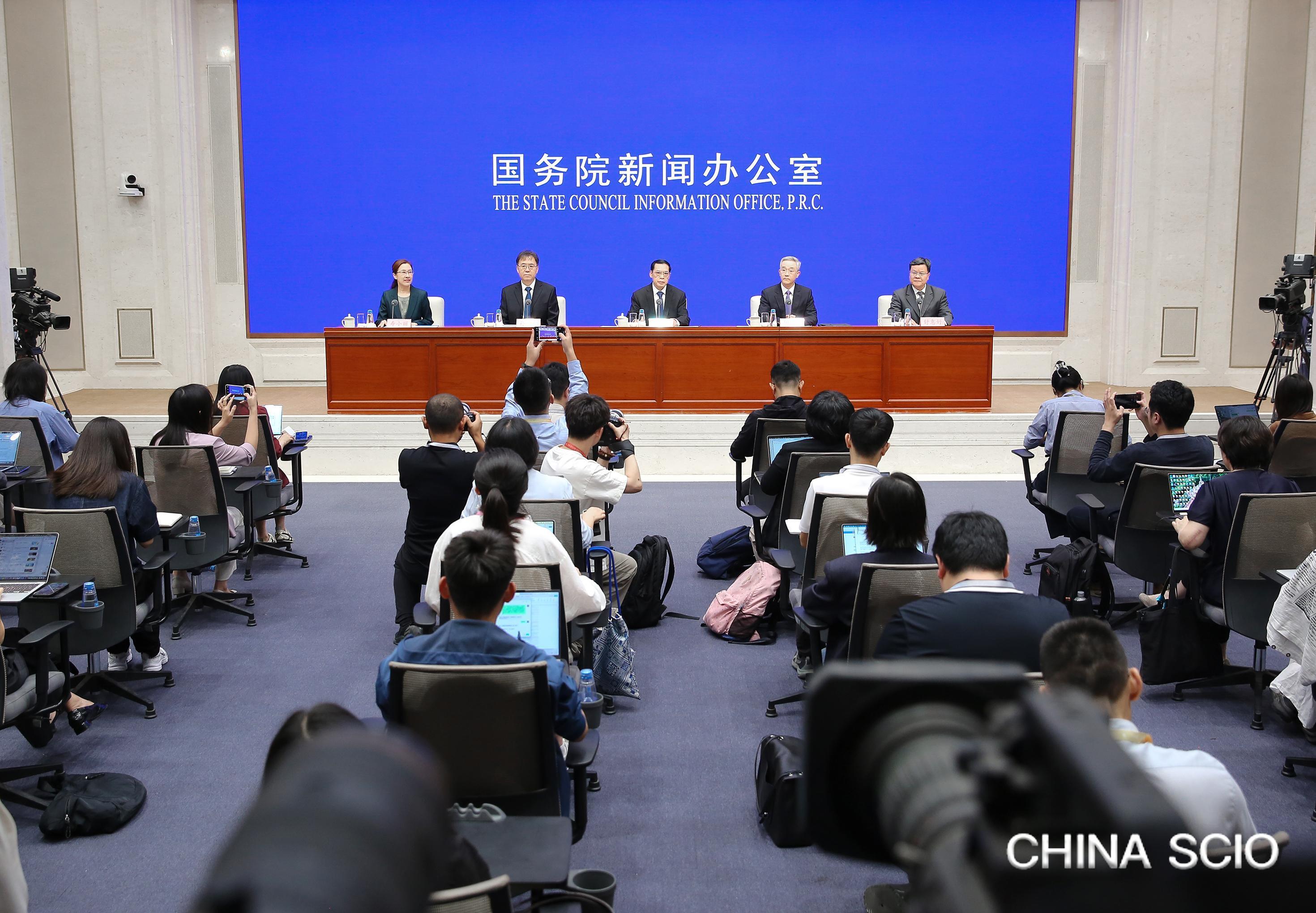
On Sept. 23, 2026, the State Council Information Office (SCIO) holds a press conference in Beijing on advancing high-quality development in civil affairs during the 15th Five-Year Plan period (2026-2030). [Photo by Zhao Yifan/China SCIO]
By the end of the period, nursing beds are expected to account for 73% of all beds at eldercare institutions, while 70% of villages and communities nationwide are expected to have nearby access to eldercare facilities, according to the Ministry of Civil Affairs.
China will also improve its assessment system for senior citizens' care needs and provide tailored assistance according to their physical conditions, preferences, and financial circumstances. Services will range from home- and community-based care to institutional care, rehabilitation, dementia care, and hospice care.
Authorities plan to promote home visits and in-home care, encourage community eldercare institutions to extend services to families, and expand affordable institutional care.
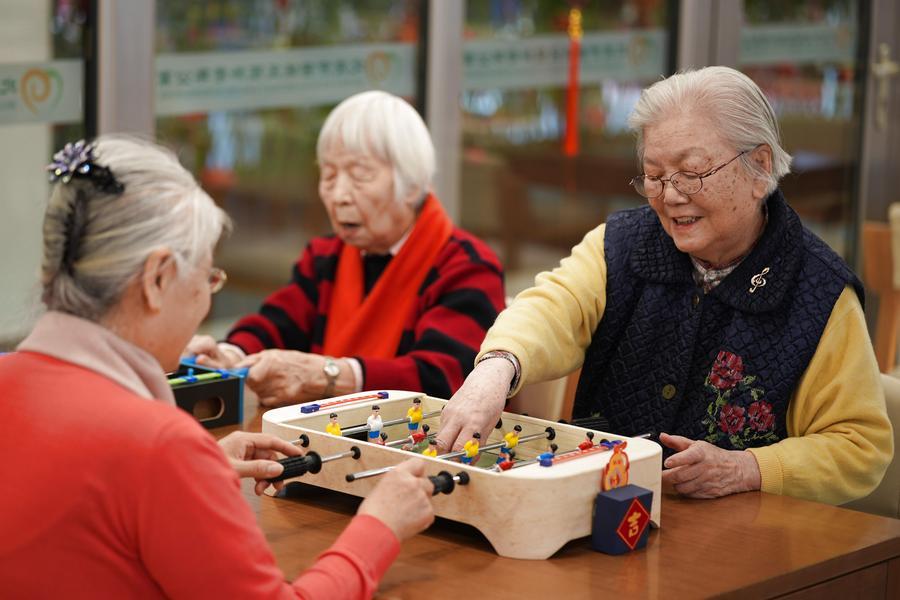
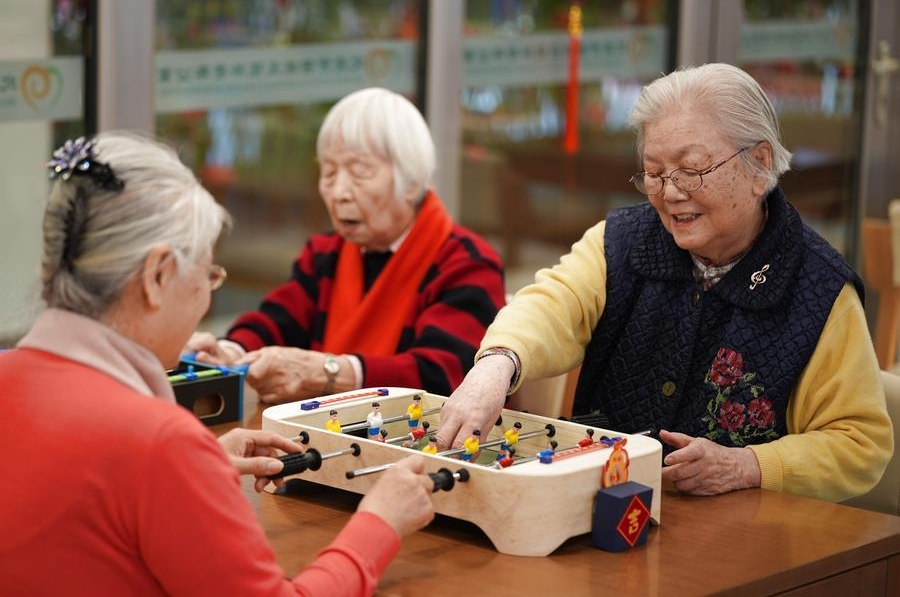
Elderly residents play games at a senior care center in Beijing, capital of China, Feb. 10, 2026. [Photo/Xinhua]
The ministry will also launch a program to upgrade eldercare facilities. During the five-year period, 2,000 publicly run eldercare institutions are expected to meet at least the country's second-tier standard, while another 1,000 high-quality affordable eldercare institutions, 1,000 dementia-care institutions, and 1,000 chain-operated community-based eldercare facilities will be developed, according to Sun Shuopeng, spokesperson and vice minister of the ministry.
Rural eldercare will also be strengthened. China currently has 13,000 rural nursing homes and 233,000 rural eldercare facilities. During the 15th Five-Year Plan period, authorities will improve outreach and support for those living alone or without family members nearby, enhance meal services, and strengthen rural eldercare staffing. More resources will also be directed toward age-friendly renovations and cooperation between eldercare and medical institutions.
Beyond care services, China plans to bolster legal protections for the elderly, develop the silver economy, and encourage their participation in society. The government will work to formulate an eldercare services law and revise the law on protecting their rights and interests, while expanding senior education, cultural activities, and volunteer programs.
More than 53 million senior citizens in China currently receive government subsidies, while the country has about 395,000 eldercare institutions and facilities, according to the ministry.