China SCIO | September 21, 2026


China's property market has entered a new phase increasingly centered on existing housing stock, with second-hand homes accounting for 52% of housing transactions in the first eight months of 2026, an official said Friday.
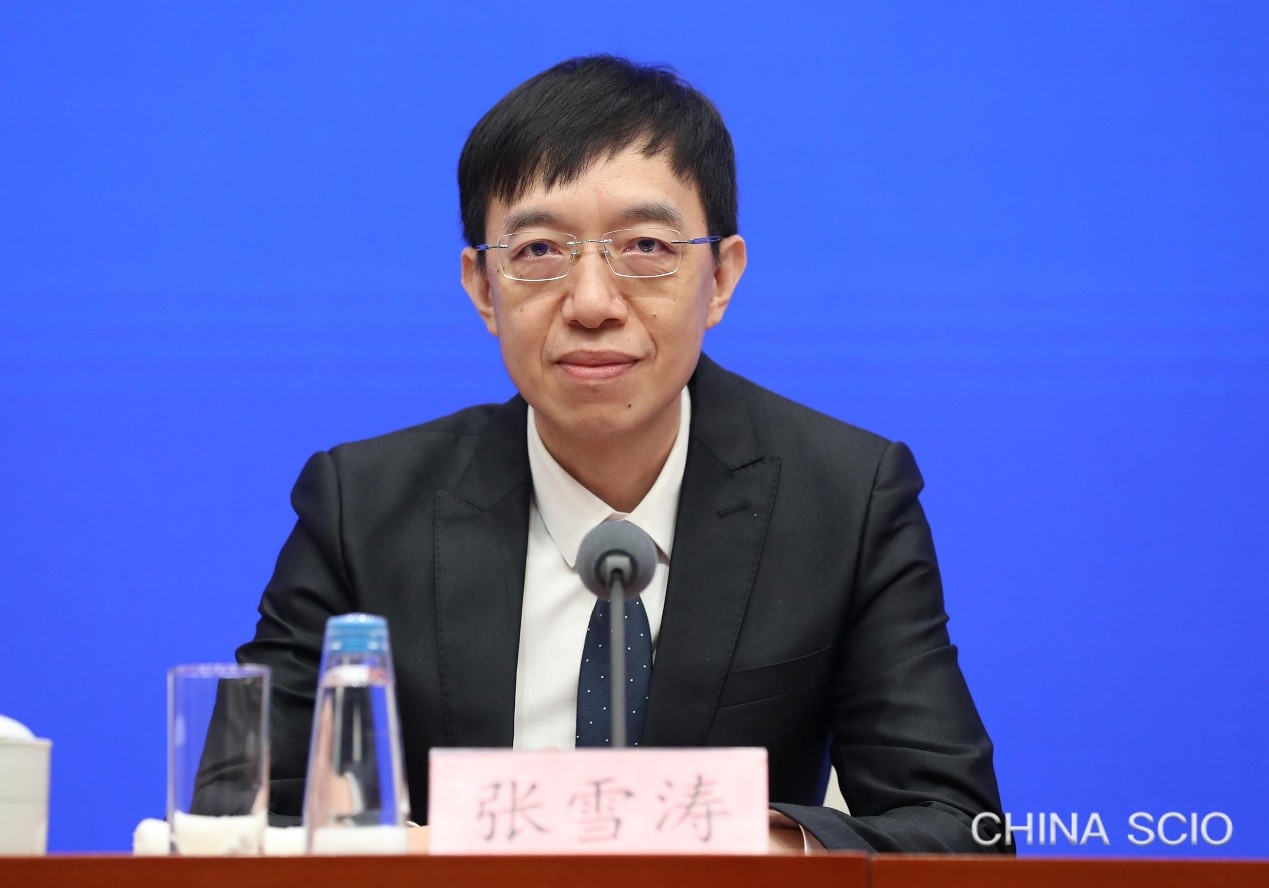
Zhang Xuetao, director general of the Department of Real Estate Market Supervision of the Ministry of Housing and Urban-Rural Development, attends a press conference in Beijing, Sept. 18, 2026. [Photo by Xu Xiang/China SCIO]
Zhang Xuetao, director general of the Department of Real Estate Market Supervision of the Ministry of Housing and Urban-Rural Development, said the share had risen from 27% in 2020 to 46% in 2025.
"A share exceeding 50% marks the property market's transition into the era of existing housing stock," Zhang said at a press conference held by the State Council Information Office.
China's property market has shown signs of stabilization as stronger second-hand home sales partly offset weakness in new-home transactions. From January to August, second-hand home transactions reached 550 million square meters, up 10.6% year on year, while new commercial housing sales fell 12.1%, data from the ministry shows.
Price declines also narrowed in August, while inventories of unsold new commercial housing continued to fall. The floor area of unsold new housing went down 1.1% year on year at the end of August, marking the sixth consecutive month of decline.

An aerial drone photo taken on March 11, 2026, shows the cityscape along the Chuanzi River in Changde, central China's Hunan province. [Photo/Xinhua]
During the 15th Five-Year Plan period (2026-2030), China will adapt to changes in housing supply and demand, balance risk prevention with industry transformation, and accelerate efforts to establish a new model for real estate development, Zhang said.
A key part of that model will be reforming the basic systems governing property development, financing, and sales.
On property development, each real estate project will be handled by a project company with independent legal status and dedicated funds. Parent companies will be barred from improperly diverting money from individual projects, a move intended to make project operations more standardized and secure, Zhang said.
For financing, each project will be paired with a designated bank or banking consortium. All funds related to project development, construction, and sales must be deposited with that bank, which will also provide financing based on the project's needs. Banks will assess projects before taking them on, while developers will choose banks based on the financing services they require, so that both sides share the project's risks and returns.
In commercial housing sales, China will further promote sales of completed homes, Zhang said, describing the shift toward completed-home sales as a growing trend.
Under the approach, buyers will pay for homes that are ready for delivery, helping reduce delivery risks and allowing them to see the property before purchasing it.
New projects will be encouraged to prioritize completed-home sales, while projects that continue to use presales will face strengthened supervision of presale funds to better protect homebuyers' rights and interests.
China will also improve its housing support system, with both rental and for-sale affordable housing playing a larger role.
Zhang said authorities will better match affordable housing supply with actual demand, while ensuring housing support for low-income urban families with housing difficulties. New urban residents, young people, and lower-income urban workers facing housing difficulties will be offered rental or for-sale affordable housing according to local conditions, he added.