China SCIO | September 15, 2026


China aims to make better use of technologies including artificial intelligence and big data to strengthen its disease prevention and control capabilities during the 15th Five-Year Plan period (2026-2030), an official said Monday.
China's first national disease prevention and control plan was recently unveiled, focusing on strengthening the disease control system, improving response capabilities, and refining prevention strategies, said Sun Yang, deputy administrator of the National Disease Control and Prevention Administration, at a press conference in Beijing.
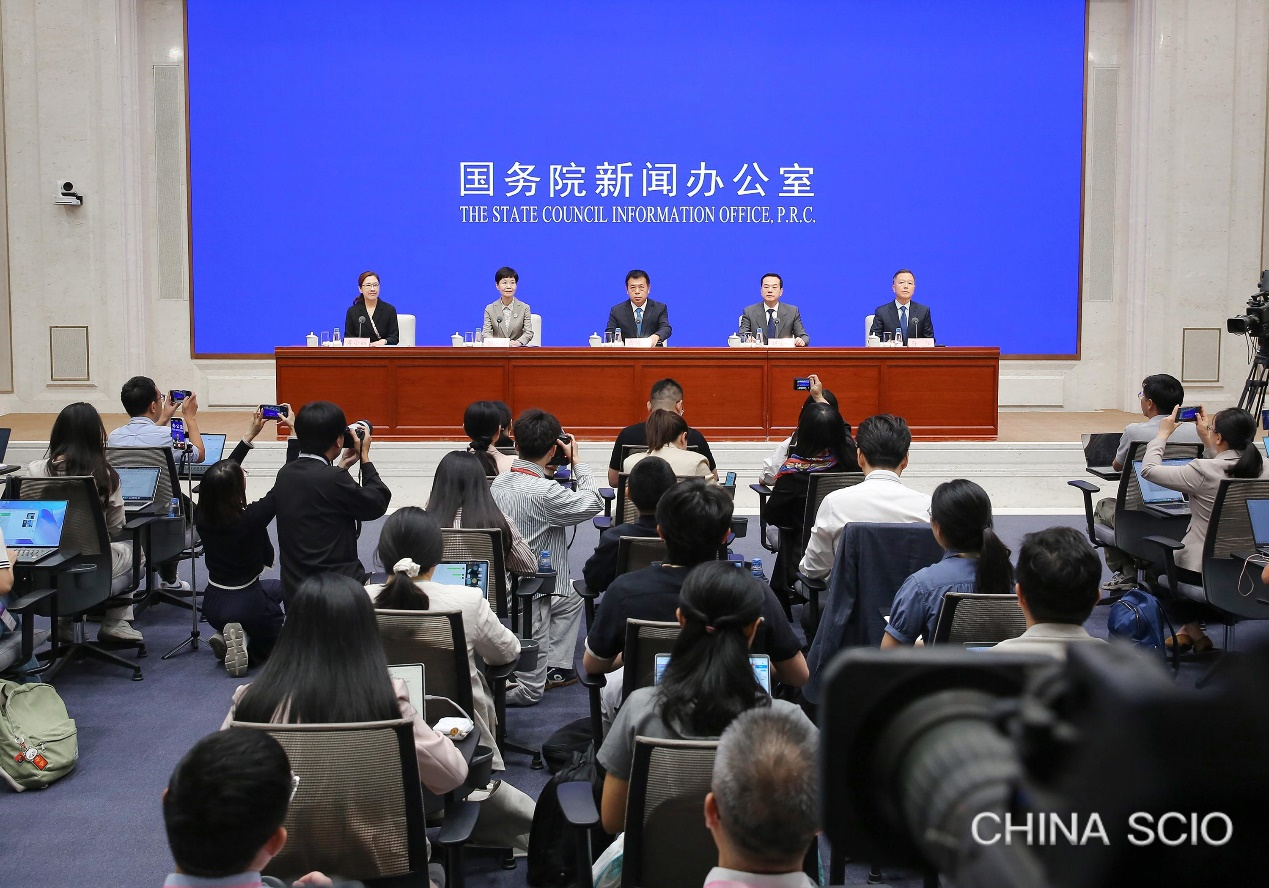
The State Council Information Office (SCIO) holds a press conference in Beijing on making decisive progress in the Healthy China initiative, Sept. 14, 2026. [Photo by Zhang Xin/China SCIO]
The plan seeks to improve China's disease control research system, develop research platforms, advance key technologies in priority areas, and accelerate the application of research findings.
Artificial intelligence and other digital tools will be used more widely in infectious disease surveillance, epidemiological investigations, immunization programs, and law enforcement.
During the five-year period, authorities plan to introduce real-time monitoring and automated alerts for fever cases at outpatient and emergency departments as well as stress at medical institutions.
China has already deployed intelligent infectious disease monitoring and early warning software at more than 50,000 medical institutions. The system has reduced the average diagnosis-to-reporting time from 5.2 hours to 3.7 hours, while reducing missed and duplicate reports, Sun said.
In strengthening the disease control system, China will place greater emphasis on coordination among government departments and broader participation across society.
Authorities will establish and maintain joint prevention and control mechanisms for major infectious disease outbreaks at the provincial, municipal, and county levels, Sun said. The plan also calls for stronger guidance provided by higher-level disease control agencies to those below them, as well as closer cooperation between medical institutions and disease control authorities.
Public health committees at the community level will also be encouraged to play a greater role in disease prevention and control, he said.
On prevention strategies, the plan will promote integrated prevention and control for diseases that share similar transmission routes, risk factors, or control measures.
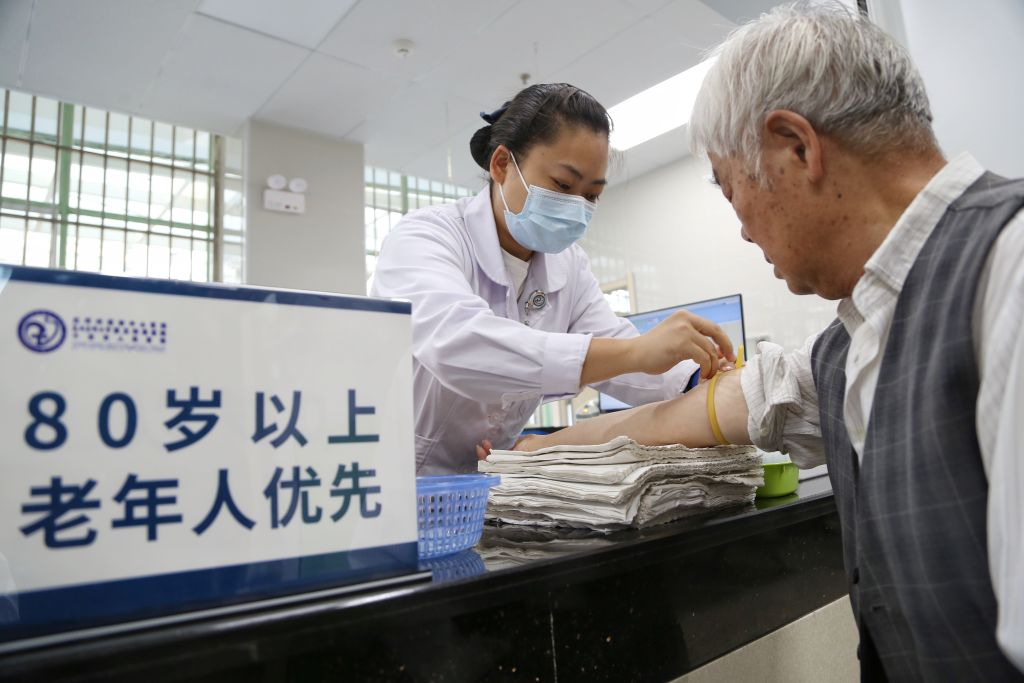
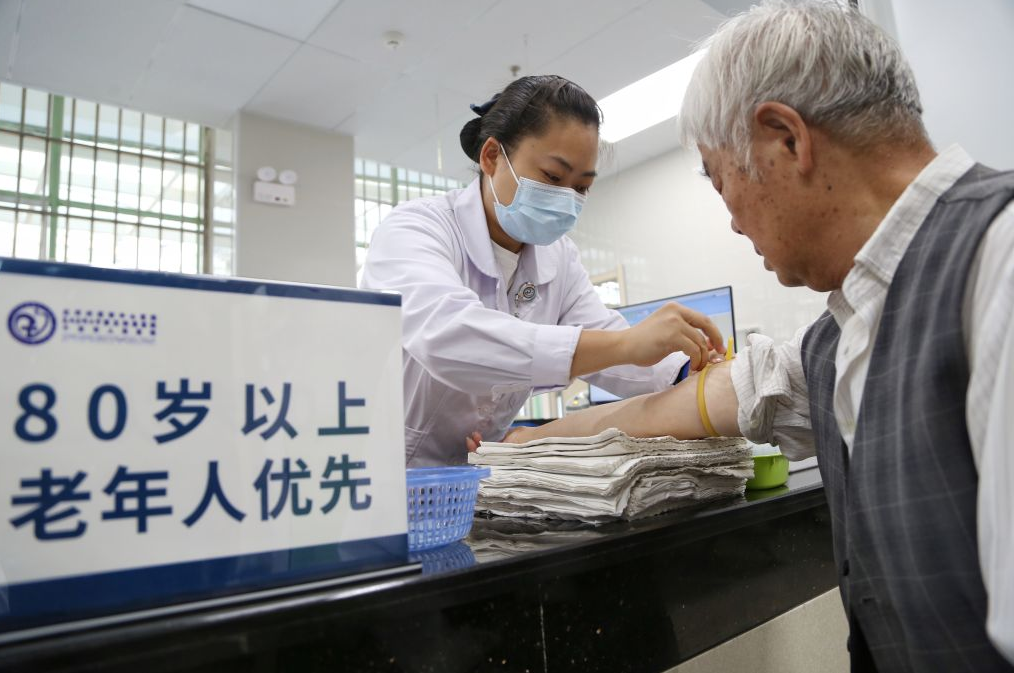
A medical worker prepares to take a blood sample from an elderly citizen at a hospital in Gejiu, Yunnan province, Aug. 15, 2026. [Photo/Xinhua]
China is also already conducting joint surveillance of more than 10 respiratory pathogens, including influenza, COVID-19, respiratory syncytial virus, and mycoplasma, allowing a single sample to be tested for multiple diseases.
Similar approaches are being used for zoonotic diseases, vector-borne diseases, and infections transmitted through blood or sexual contact, Sun said.
For emerging infectious diseases and sudden outbreaks, authorities will strengthen surveillance and early warning efforts, emergency plans, response teams, and stockpiles of essential supplies, so the system can respond quickly when an outbreak occurs.
Sun said China aims to make decisive progress in modernizing its disease prevention and control system and capabilities by 2030, providing stronger public health safeguards for economic and social development.