China SCIO | August 14, 2026


China will take a coordinated approach to addressing climate change and advancing its dual carbon goals during the 15th Five-Year Plan period (2026-2030), including promoting a low-carbon transition in key areas and expanding the national carbon emissions trading market, said Li Gao, vice minister of ecology and environment, at a press conference in Beijing on Thursday.
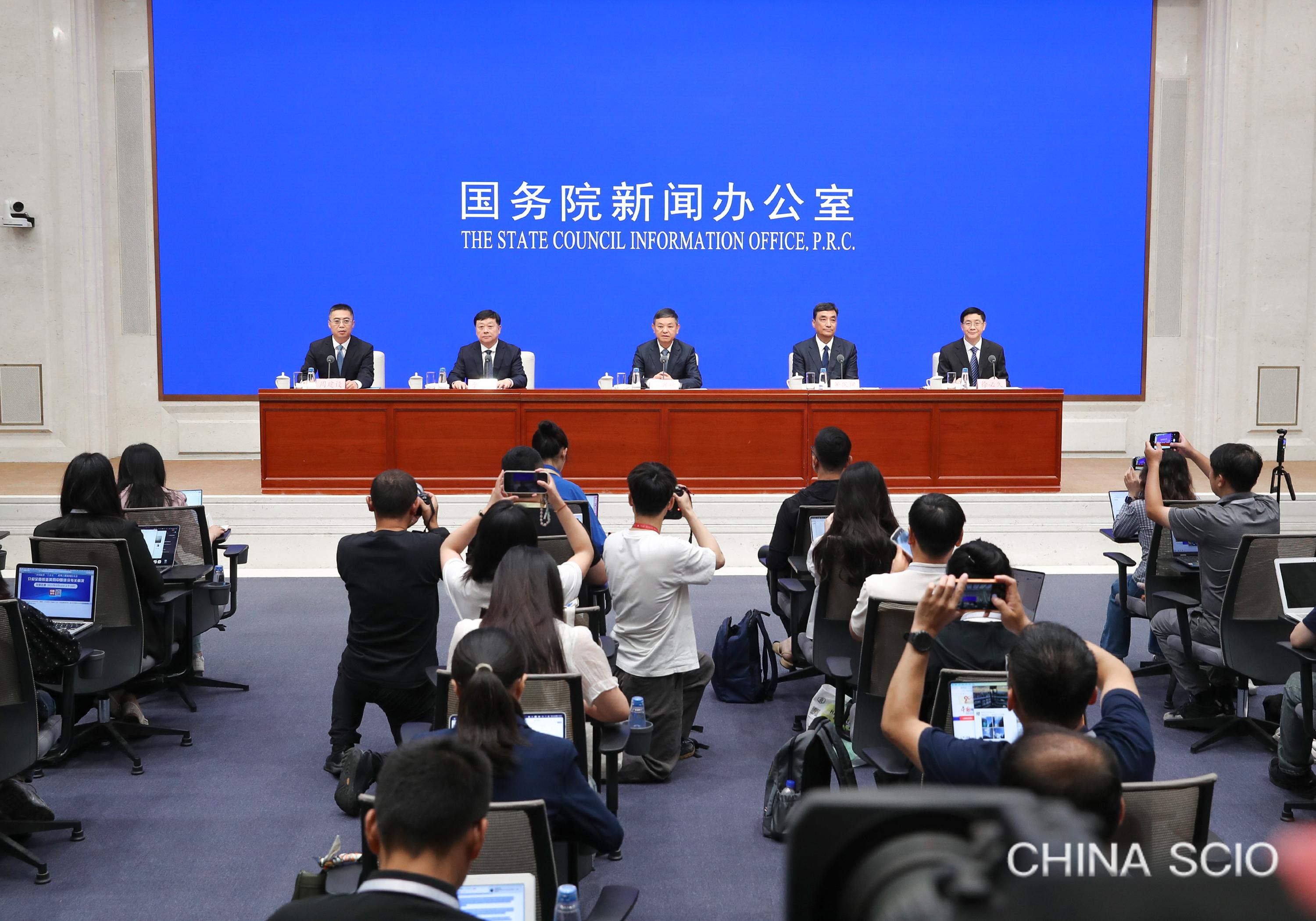
On Aug. 13, 2026, the State Council Information Office holds a press conference in Beijing on building a Beautiful China on all fronts. [Photo by Zhao Yifan/China SCIO]
Efforts will be focused on five key areas to adapt to climate change and meet the dual carbon goals of peaking carbon dioxide emissions before 2030 and achieving carbon neutrality before 2060, he said.
In the 2026-2030 period, the country will continue to promote the green and low-carbon transition in key sectors, including energy, industry, transportation, and urban and rural development. China will also step up efforts to control non-carbon-dioxide greenhouse gases, with a focus on methane, industrial nitrous oxide and fluorinated gases.
The national carbon emissions trading market will expand from the power generation, steel, cement, and aluminum smelting sectors to other high-emitting industries, such as petrochemicals and chemicals, enabling effective management and control of around 80% of China's carbon dioxide emissions, according to Li.
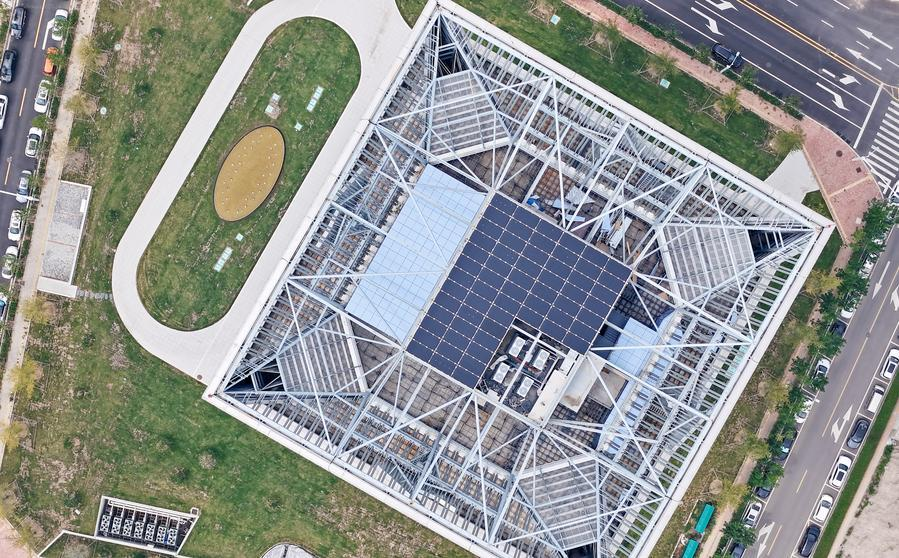
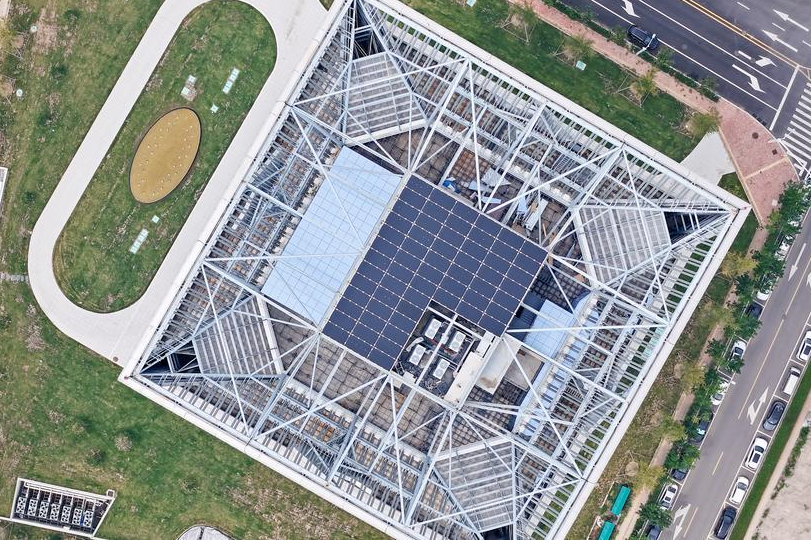
An aerial drone photo taken on Aug. 25, 2025, shows the world's first ultra zero-carbon building, the headquarters of an EV charging pile network operator in Qingdao, eastern China's Shandong province. [Photo/Xinhua]
In terms of improving the carbon emissions statistics and accounting system, Li said that efforts will be made to advance the development of a carbon footprint data and standards system, improve mechanisms for carbon labeling, certification, and management, and promote international alignment and mutual recognition of carbon-related standards and specifications.
The country will also enhance climate resilience, strengthening society-wide capacity to adapt to climate change and minimize the adverse impacts of climate change, particularly those from extreme weather and climate events.
China will also promote international cooperation on climate change. It will integrate climate action into the implementation of the four major global initiatives and deepen South-South cooperation on climate change. The country will also remain firmly committed to the full and effective implementation of the United Nations Framework Convention on Climate Change and the Paris Agreement, and contribute Chinese wisdom and solutions to building a fair, equitable, cooperative, and mutually beneficial global climate governance system, Li said.
In recent years, China has made great achievements in addressing climate change and continued to improve its energy mix, industrial structure and transportation network, Li said.
In the first half of 2026, coal-fired power generation accounted for less than 50% of China's total power generation for the first time, marking a new milestone in the country's green and low-carbon transition.