China SCIO | July 28, 2026


China will expand services and support for people with autism, from early screening and rehabilitation to education, employment, and family assistance, during the 15th Five-Year Plan period (2026-2030), an official said Monday.
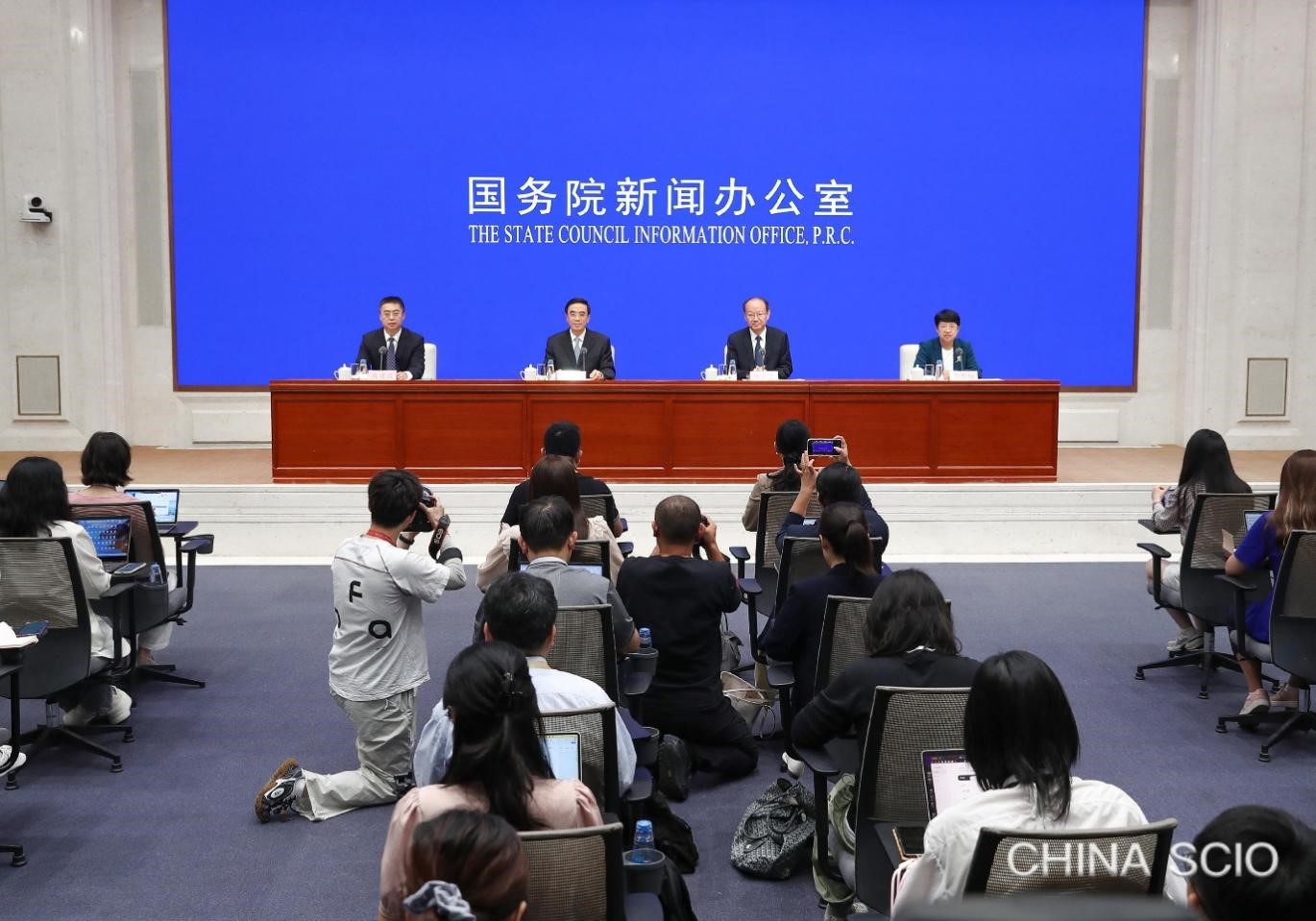
On July 27, 2026, the State Council Information Office (SCIO) holds a press conference in Beijing on advancing well-rounded and high-quality development of disability programs during the 15th Five-Year Plan period (2026-2030). [Photo by Liu Jian/China SCIO]
The measures are part of the plan for the protection and development of persons with disabilities during the 15th Five-year Plan period, which was recently approved by the State Council.
For the first time, the plan includes a dedicated section outlining an initiative to provide support for people with autism throughout their lives, said Zhou Changkui, president of the Executive Board of the China Disabled Persons' Federation (CDPF).
Zhou said autism remains a major medical challenge worldwide, with the growing number of diagnoses drawing public attention. The plan will provide clearer guidance for improving services for people with autism and their families, he said.
According to the plan, efforts will be made to strengthen early screening and rehabilitation. Service standards for autism screening and intervention among children aged 6 and younger will be improved, while a coordinated system will be established to cover screening, diagnosis, and rehabilitation assistance.
The measures are also intended to help parents recognize possible signs of autism earlier, allowing children to receive rehabilitation services at a younger age and improve their prospects for progress.
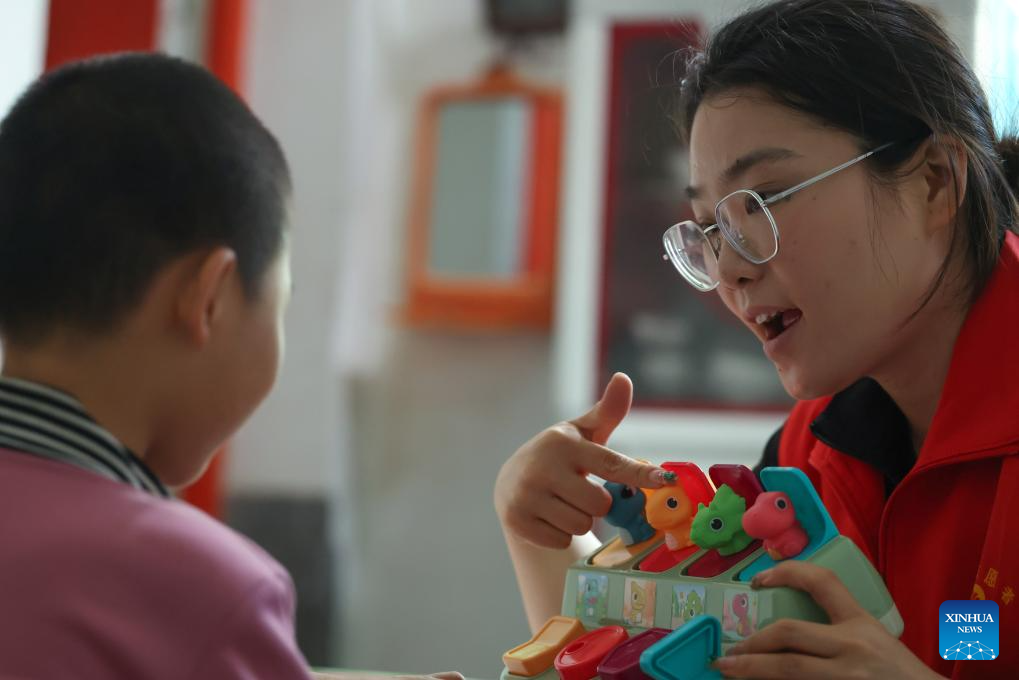
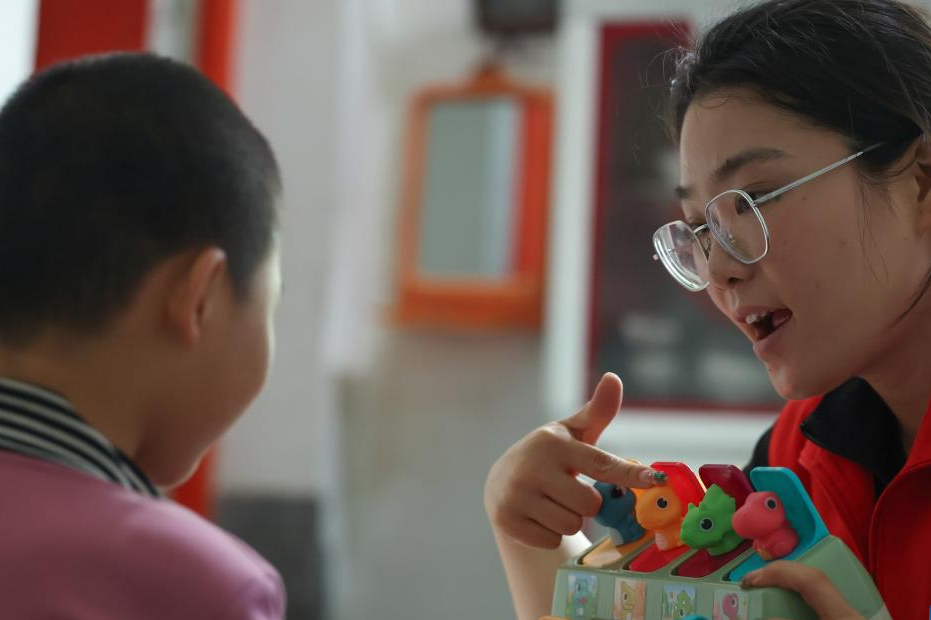
A rehabilitation therapist (R) guides 10-year-old Xiaoyu (pseudonym), who lives with autism, in Changtang town of Anhua county, central China's Hunan province, May 14, 2026. [Photo/Xinhua]
China will also increase public-interest rehabilitation services, by strengthening services at maternal and child health institutions and improving oversight of rehabilitation centers operated by nongovernmental providers.
Under the plan, every prefecture-level city and populous county-level area should be able to provide rehabilitation assistance for children with autism, allowing families to obtain services closer to home.
Another priority is better integrating rehabilitation with education. Provincial capitals and large cities will be supported to establish special education schools for children with autism.
Authorities will also improve qualification and quality standards for classroom aides to help children with autism participate more fully in school life.
For young people with autism, the plan will support internships and employment opportunities. A community inclusion program will also help people with intellectual and developmental disabilities improve their daily living and social skills and find employment in their communities.
Zhou said such support is important because rehabilitation for people with autism can continue for many years, while adulthood brings additional challenges involving employment and social inclusion.
The plan will also strengthen support for families through family-centered early intervention and training, psychological counseling, long-term care, respite services, and community-based assistance.
"Rehabilitation and education cannot be provided by institutions alone," Zhou said, adding that stronger family and community support is needed to ease the long-term pressure on caregivers.
"The plan will bring tangible benefits to people with autism and their families," Zhou said.