China SCIO | May 22, 2026


China has stepped up efforts since 2025 to standardize environmental inspections involving companies, aiming to improve enforcement efficiency while supporting business development, an official said on Thursday.
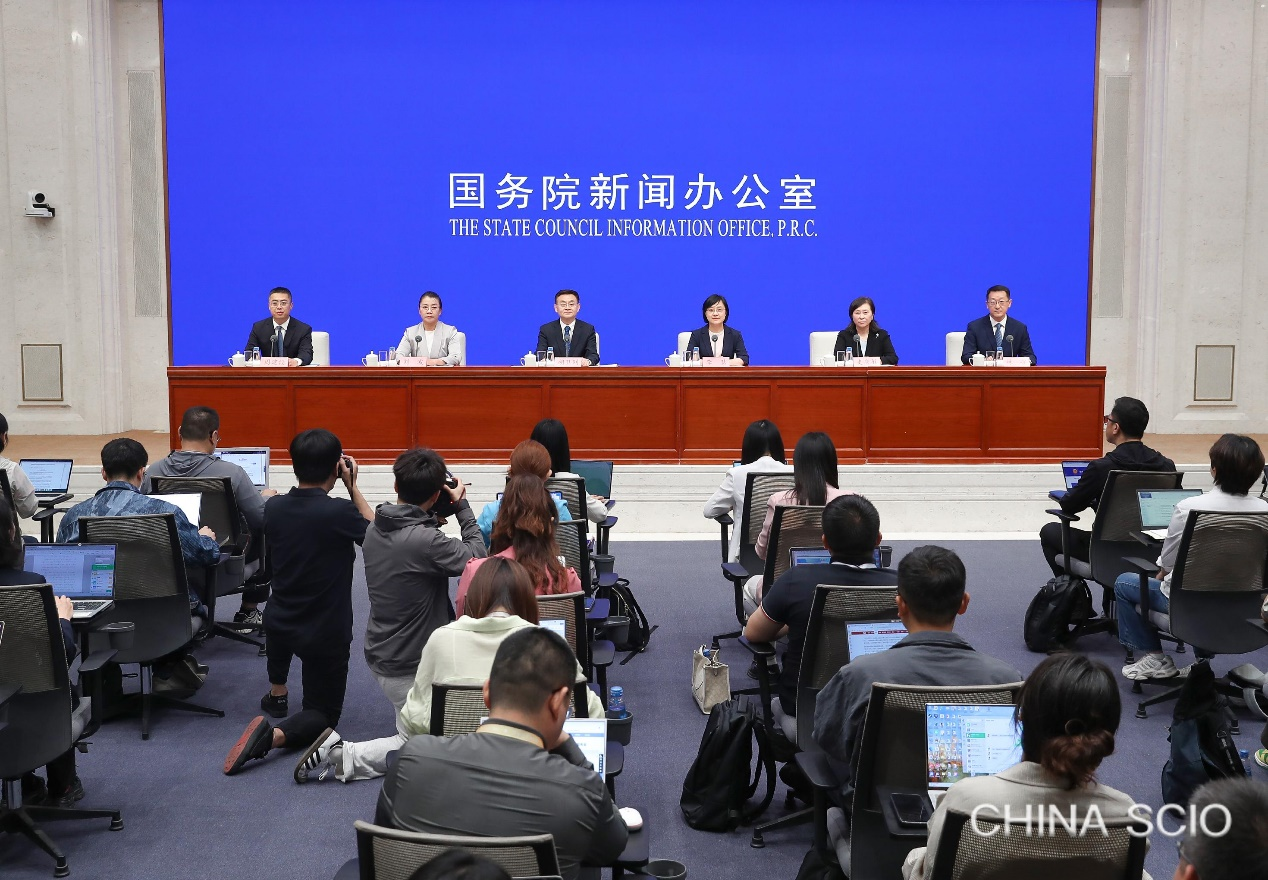
On May 21, 2026, the State Council Information Office holds a press conference in Beijing to introduce the progress of the special campaign on regulating enterprise-related administrative law enforcement. [Photo by Liu Jian/China SCIO]
Shi Qingmin, deputy director general of the Bureau of Ecological and Environmental Enforcement of the Ministry of Ecology and Environment, said that the campaign has driven two major shifts in enforcement practices.
The first is a move from a "regulation-only" approach toward a model combining supervision with services for businesses. Authorities have introduced a series of policy documents that emphasizes proactive prevention, prudent enforcement, and guidance for rectification, she said.
China's environmental authorities handled 8,947 minor violation cases in 2025 in which companies were exempted from penalties under the law, giving businesses more room for error correction, according to Shi.
The second shift involves moving from human-based inspections toward technology-driven enforcement. By applying smart technologies and equipment such as satellite remote sensing, infrared imaging, drones, and unmanned vessels, and through the comprehensive analysis of multi-source data including pollutant discharge permits, automatic monitoring data, and electricity consumption records, authorities have significantly strengthened the ability to identify potential environmental violations, she said.
In 2025, the number of on-site inspections of businesses fell by nearly 40%, but the rate of detecting problems increased by 10 to 25 percentage points, she added.
Looking ahead, Shi said the ministry will continue implementing the newly adopted environmental code while balancing strict law enforcement with promoting development.
Authorities will maintain tough crackdowns on serious violations, including illegal pollutant discharge through concealed pipes or natural caves, tampering with automatic monitoring data, illegal hazardous waste disposal, and failure to comply with pollution-control measures during heavy smog periods.

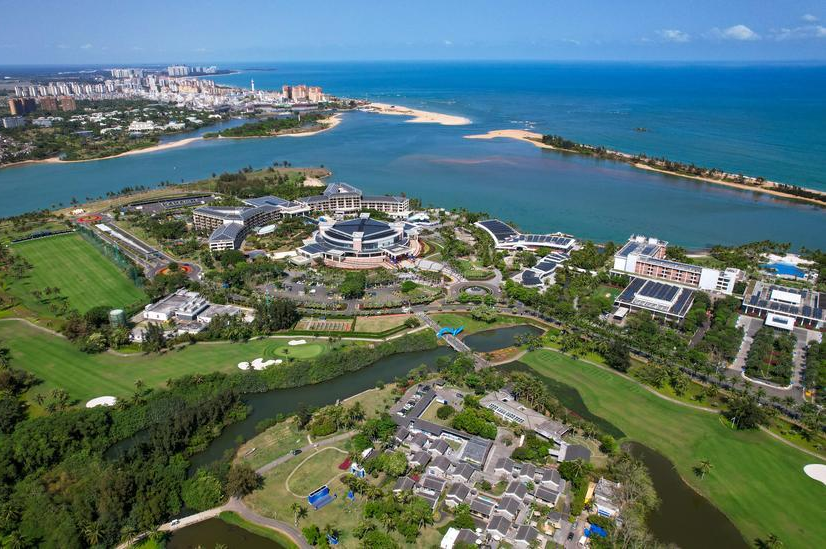
An aerial drone photo taken on March 19, 2026, shows the Boao zero-carbon demonstration zone in Boao, southern China's Hainan province. [Photo/Xinhua]
At the same time, regulators will continue promoting differentiated supervision and reducing unnecessary inspections for businesses through digital monitoring and flexible enforcement measures.
"We will leave compliant enterprises undisturbed while maintaining a constant enforcement presence against violators," Shi said.