China SCIO | February 9, 2026




China will step up efforts to boost inbound consumption by rolling out new policy measures, enhancing the "Shopping in China" campaign, and accelerating the development of international consumption centers, the Ministry of Commerce said on Friday.
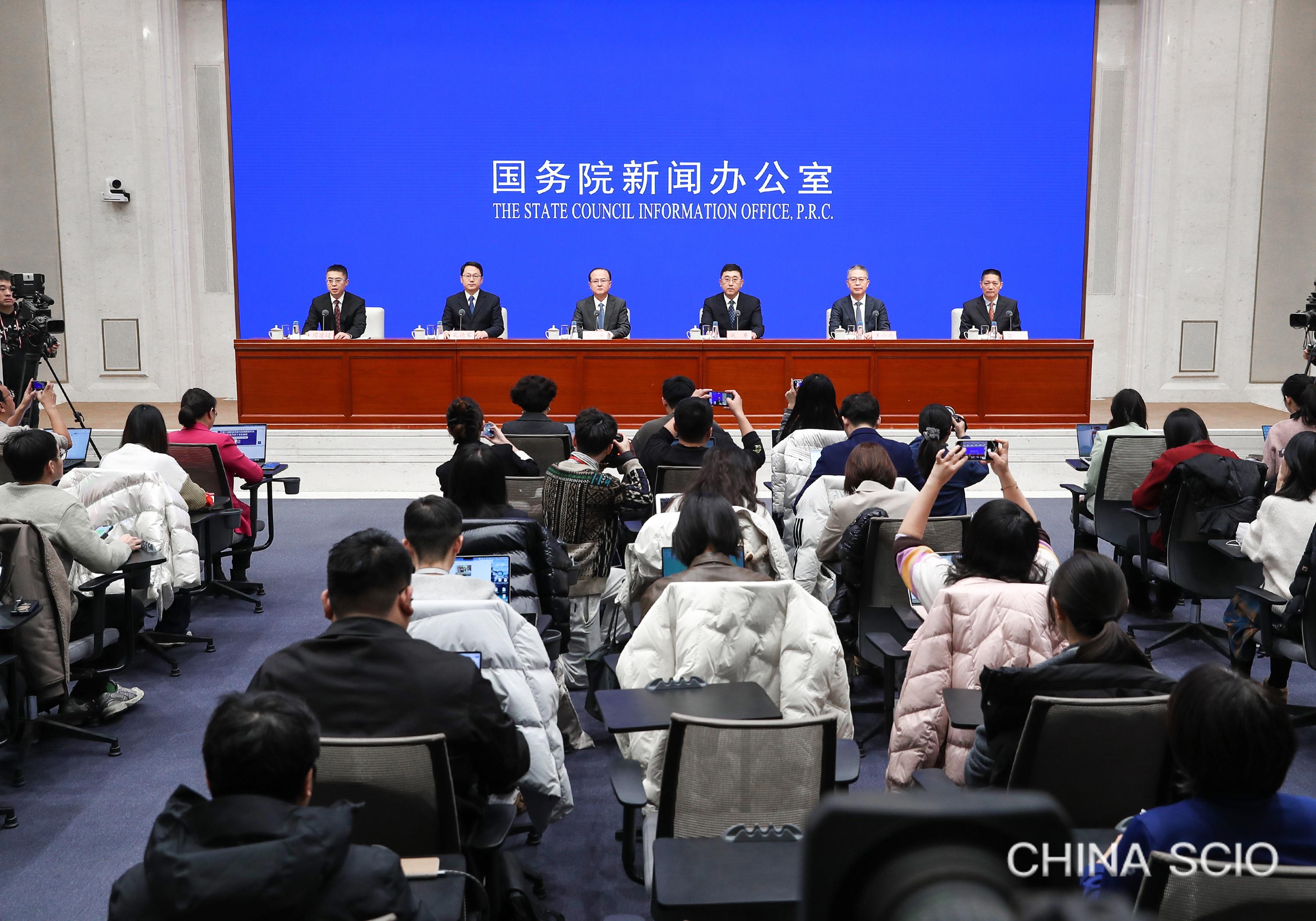
On Feb. 6, 2026, the State Council Information Office holds a policy briefing in Beijing about the Work Plan to Accelerate the Cultivation of New Growth Drivers in Service Consumption. [Photo by Zhao Yifan/China SCIO]
Yan Dong, vice minister of commerce, made the remarks at a policy briefing explaining a new work plan aimed at fostering new growth drivers in service consumption.
Inbound consumption has become an increasingly important engine for boosting spending, he said. China has introduced a series of measures to optimize tax refund services for departing tourists, enhance payment facilitation, and organize a wide range of promotional activities, steadily bolstering the appeal of travelling and shopping in China.
These efforts have delivered tangible results. In 2025, the number of foreign nationals entering and exiting China through all ports reached 82.04 million, up 26.4% year on year. By the end of 2025, nearly 13,000 tax-refund shops were operating nationwide, and sales of tax-refund goods surged by 95.9% compared with the previous year.
Looking ahead, the ministry will formulate targeted policies and measures to promote tourism service exports and further expand inbound consumption. The new initiatives will extend beyond traditional tourism and retail sectors to cover a broader range of areas, including commerce, sports competitions, culture and entertainment, healthcare, as well as education and training, according to Yan.
Tourists from Spain take a selfie at Yuyuan Garden Mall in Shanghai, China, July 21, 2025. [Photo/Xinhua]
The continued rollout of the "Shopping in China" campaign will center on goods consumption, service consumption, and consumption scenarios. The campaign will feature activities such as a premium consumption month, an international consumption season, and Chinese cuisine-themed events.
In addition, 15 pilot cities will host themed activities to create a vibrant and welcoming consumption atmosphere for international visitors. These cities will be encouraged to develop international consumption hubs and inbound-consumption-friendly commercial districts, optimize cross-border payment services, and improve the overall quality of international services.
China will also deepen the development of international consumption centers, guiding Shanghai, Beijing, Guangzhou, Tianjin, and Chongqing to adopt global best practices. These cities will work to enrich high-quality consumption offerings, foster a more internationalized consumer environment, and enhance their global visibility and influence.
Meanwhile, more retailers will be encouraged to join the tax refund scheme, while refund services will become more convenient. By expanding the number of participating stores, enriching product offerings, and improving service quality, China aims to further unlock the potential of inbound consumption, Yan added.

