China SCIO | February 6, 2026



China is stepping up efforts to align its standards system with international rules and promote Chinese standards overseas, as part of wider moves to advance institutional opening up, an official said on Thursday.
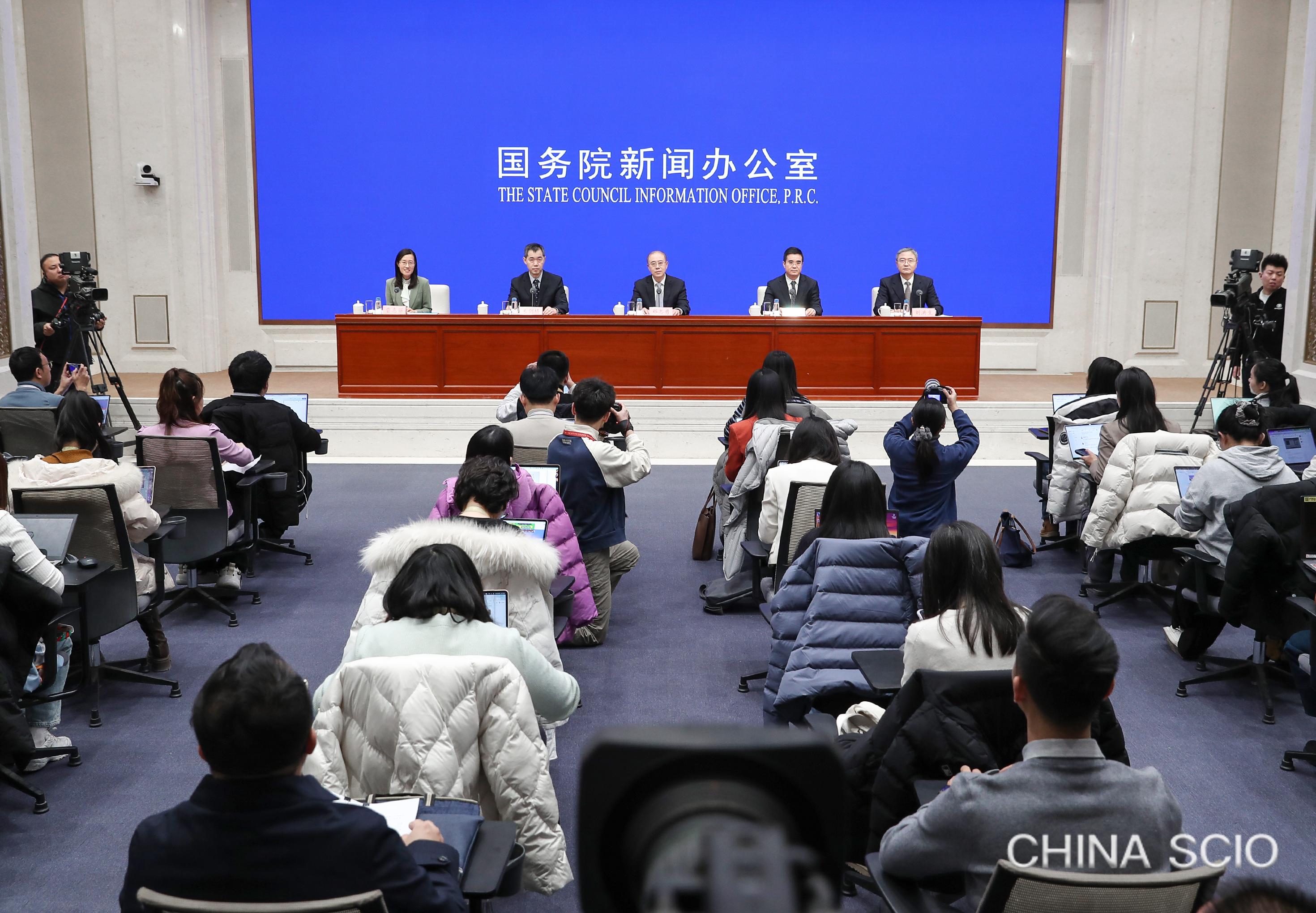
On Feb. 5, 2026, the State Council Information Office holds a press conference in Beijing on market regulation services for high-quality development. [Photo by Zhao Yifan/China SCIO]
Standards are a key element of institutional opening up, said Liu Hongsheng, director general of the Standards Technical Management Department of the State Administration for Market Regulation (SAMR), at a press conference.
In 2025, China accelerated the domestic adoption of international standards. By the end of the year, the adoption rate of international standards as domestic ones reached 88.9%, with 1,510 international standards adopted during the year. In sectors such as culture and meteorology, the adoption rates reached 100%, while those of aviation, building materials, and machinery exceeded 90%.
At the same time, China expanded its role in international standard-setting. In 2025, it took the lead in formulating and issuing 285 international standards — up 26.7% year on year — under the International Organization for Standardization (ISO) and the International Electrotechnical Commission (IEC) in areas including new energy, traditional medicine, and brain-computer interfaces. Another 505 proposals were submitted in fields such as biotechnology, artificial intelligence (AI), and industrial internet, up 15.8%.
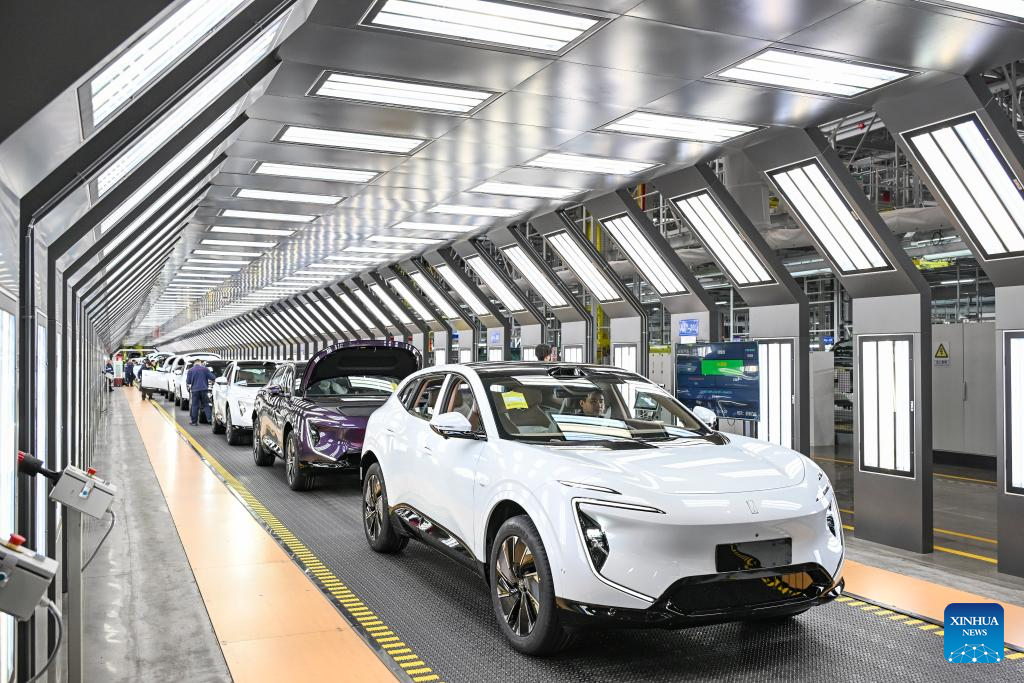
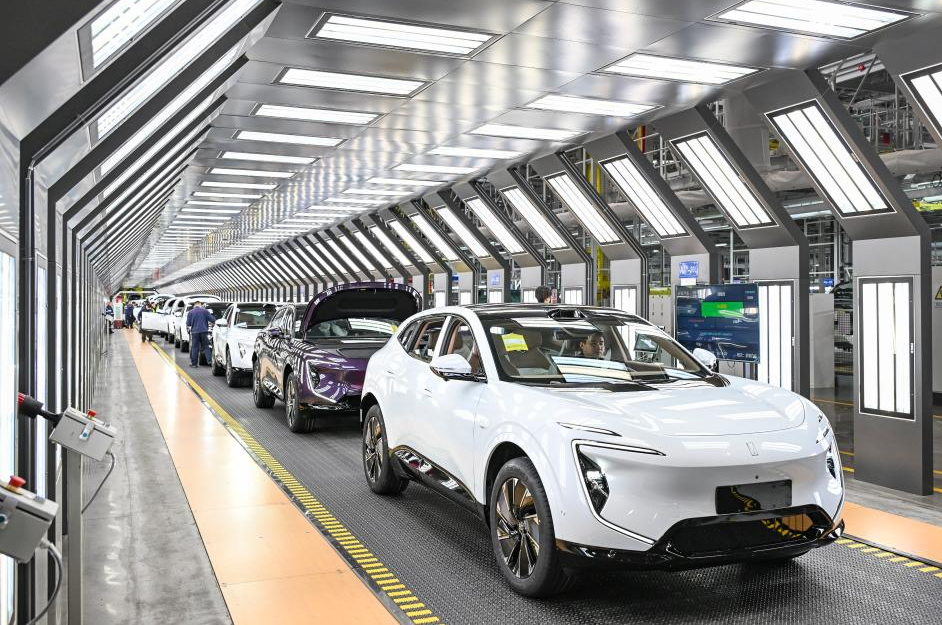
New energy vehicles come off an assembly line in southwestern China's Chongqing, March 6, 2025. [Photo/Xinhua]
Efforts were also made to improve the global accessibility of Chinese standards. Authorities launched 1,176 plans for translating domestic standards into foreign languages in areas including electric vehicles, lithium-ion batteries, photovoltaic products, as well as large-scale equipment. Official translations of 441 standards were released in fields such as AI and engineering machinery.
China continued to expand international cooperation on standardization. In 2025, it signed 130 standardization cooperation agreements with 75 countries and international organizations, and hosted events under frameworks including the Shanghai Cooperation Organization.
Looking ahead, Liu said that the SAMR will explore pilot programs on institutional opening up in standardization in line with the development needs of the Hainan Free Trade Port and other free trade zones, step up foreign translation of standards in key areas, and invite international experts to participate in China's standard-setting process.

