China SCIO | September 26, 2025




China's job market has remained generally stable during the 14th Five-Year Plan period (2021–2025) despite complex domestic and international challenges, said Wang Xiaoping, minister of human resources and social security, at a press conference on Friday.
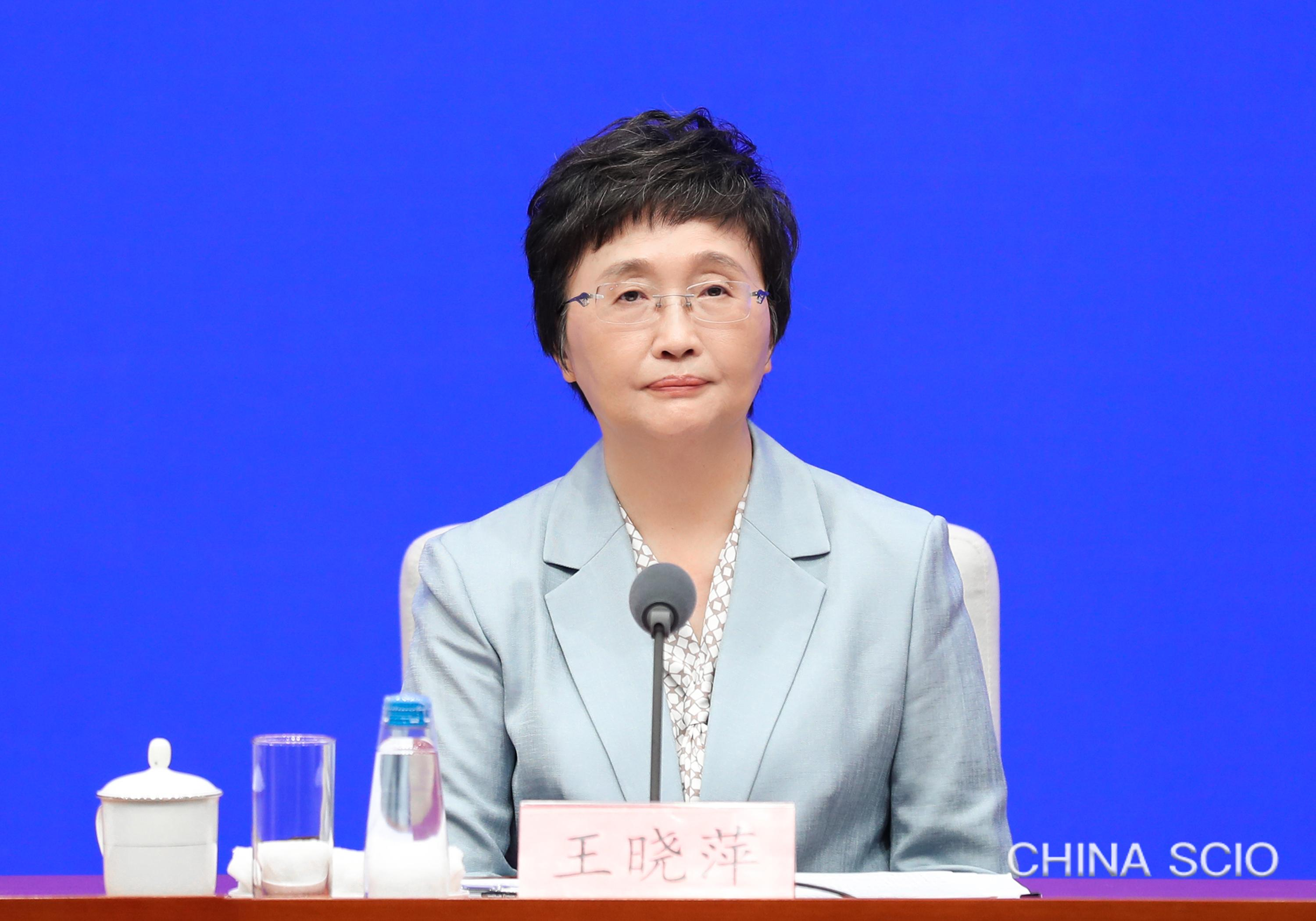
Wang Xiaoping, minister of human resources and social security, attends a press conference in Beijing, Sept. 26, 2025. [Photo by Xu Xiang/China SCIO]
Wang noted that over the 2021–2025 period, the government placed employment at the forefront of macroeconomic policy and introduced a series of targeted measures.
From 2021 through August this year, China created 59.21 million urban jobs, surpassing the goal of 55 million. The average surveyed urban unemployment rate in the first four years of the period stood at 5.3%, below the 5.5% target. Moreover, more than 470 billion yuan (US$66 billion) in employment subsidies were distributed and 138.9 billion yuan in unemployment insurance funds were returned to companies that stabilized jobs.
She stressed that the government has built a stronger policy framework prioritizing employment, combining fiscal incentives, tax and fee reductions, financial support, and targeted subsidies for workers and entrepreneurs. Annual guaranteed loans for startups averaged 300 billion yuan, while yearly employment subsidies exceeded 100 billion yuan.
As China continues to strengthen its economic prowess and improve its industrial structure, emerging industries such as advanced manufacturing and the "silver economy" are providing new drivers of job growth and creating more quality positions.

Students talk with an employer (R) during a campus job fair held at Wenshan University, southwestern China's Yunnan province, April 9, 2025. [Photo/Xinhua]
Special attention has also been given to key groups. With more than 10 million college graduates entering the labor market each year since 2022, new channels have been opened to stabilize youth employment, Wang said. Meanwhile, for China's nearly 300 million migrant workers, both inter-regional and local employment options have been expanded, with labor cooperation and brand initiatives put in place to help increase incomes. Employment among people lifted out of poverty has consistently remained above 30 million, consolidating poverty alleviation achievements.
Wang also highlighted the expansion of public employment services, noting that nearly 9,000 odd-jobs markets have been established across the country to extend services to local communities and rural areas. A unified digital platform and national employment database have also been established, offering close to 100 million services annually to workers and businesses.
Looking ahead, Wang said the government will continue to pursue high-quality and sufficient employment, strengthen training and services, and safeguard workers' rights, in order to enhance people's livelihoods.

