China SCIO | September 24, 2025



China has stepped up its role in global earthquake disaster reduction, broadening cooperation mechanisms and contributing expertise, technology, and humanitarian support to global efforts, according to a press conference Wednesday.
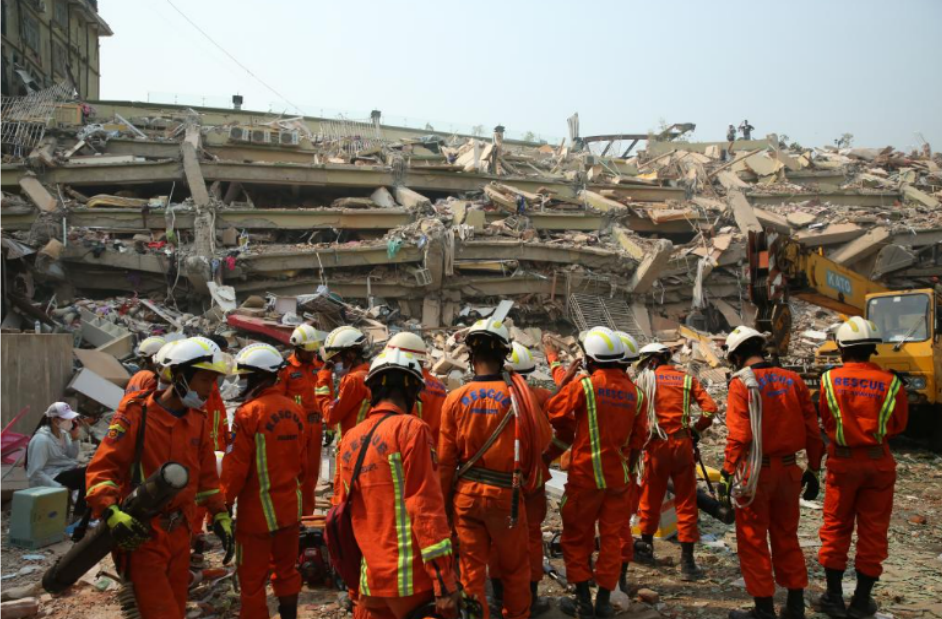
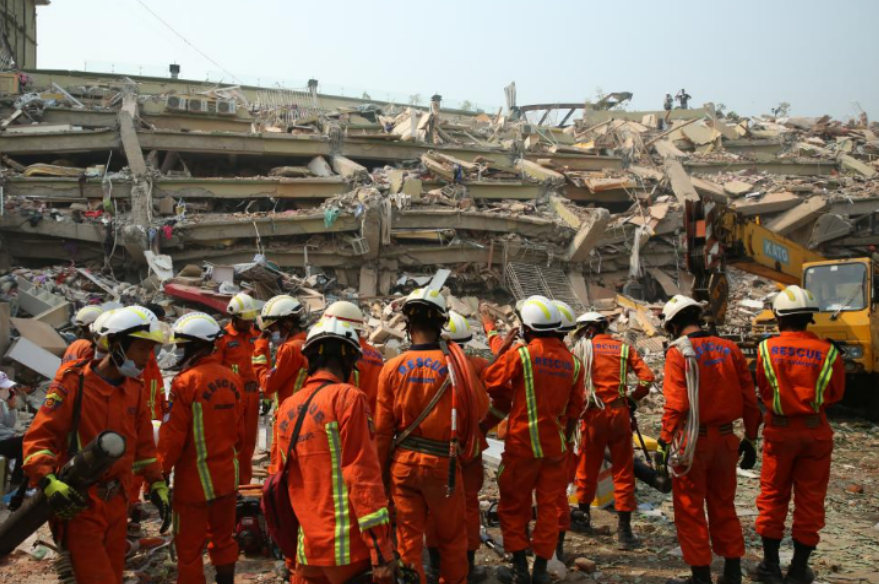
Rescuers prepare to carry out search and rescue operations after an earthquake in Mandalay, Myanmar, March 30, 2025. [Photo/Xinhua]
In recent years, China has joined emergency response, post-disaster assessments, and scientific surveys in major earthquakes in Turkey, Myanmar, and Vanuatu, said Wang Kun, administrator of the China Earthquake Administration.
Beyond disaster relief work, China has also helped other countries strengthen their emergency response capacity, for example by assisting Nepal in building its seismic monitoring network. The country has also implemented 17 international cooperation programs, providing technical training for more than 600 personnel from over 40 countries, Wang said.
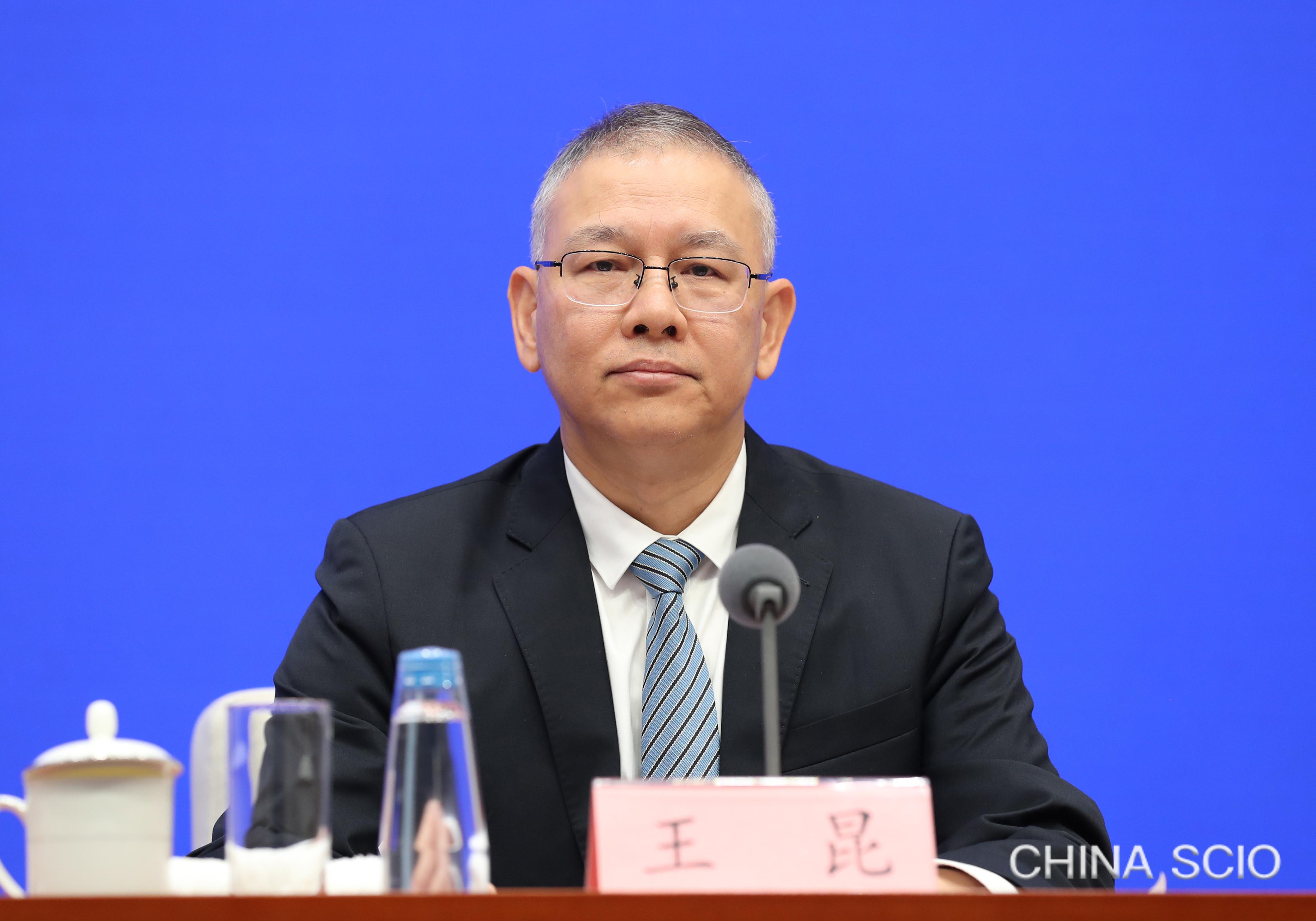
Wang Kun, administrator of the China Earthquake Administration, attends a press conference in Beijing, Sept. 24, 2025. [Photo by Xu Xiang/China SCIO]
China has also promoted earthquake disaster reduction as a key agenda item at major events such as the Belt and Road Forum for International Cooperation, the China-Central Asia Summit, and the Summit of the Forum on China-Africa Cooperation.
Under the Belt and Road framework, the disaster reduction cooperation mechanism has expanded to 28 countries and international organizations, while the country has also signed earthquake disaster reduction agreements with Ecuador and Kazakhstan.
Besides, China has established an alliance for seismic science research and provided earthquake early warnings and safety evaluations for major projects such as the Jakarta–Bandung high-speed railway, the China–Myanmar oil and gas pipelines, and Pakistan's Gwadar Port, according to Wang.
International scientific cooperation has also yielded fruitful results. The China Seismic Experimental Site has attracted teams from 13 countries, including the U.S., Russia, and the Netherlands. Partnerships now extend to 80 countries and 13 international organizations, with 20 Chinese experts taking leadership roles in global seismic organizations.
In July, an international symposium on earthquake forecasting was held in northeastern China's Liaoning province, during which a strategic plan was issued for developing earthquake forecasting for the next decade in China.
The initiative adopted at the event gained broad recognition in the international community, boosting confidence and determination to carry out joint research, he added.
Looking ahead, Wang said China will continue to advance international cooperation in earthquake preparedness and emergency response, contributing Chinese wisdom and solutions to jointly address earthquake threats and reduce seismic disaster risks.

