China SCIO | September 23, 2025




China's central bank said the country has made significant progress in deepening financial sector opening and enhancing the international standing of the renminbi over the past five years, as the 14th Five-Year Plan period (2021-2025) draws to a close.
"Financial opening is a vital part of China's broader reform and opening agenda," Pan Gongsheng, governor of the People's Bank of China, told reporters at a press conference on Monday. From 2021 to 2025, China has steadily expanded institutional opening, improved cross-border financial connectivity, and enhanced the global competitiveness of Chinese markets, he said.

This file photo shows an evening view of the Lujiazui area in eastern China's Shanghai. [Photo/Xinhua]
By the end of July, overseas institutions and individuals held more than 10 trillion yuan (US$1.41 trillion) in Chinese stocks, bonds, and deposits. The total issuance of panda bonds, or yuan-denominated bonds issued by foreign financial institutions in China, had exceeded 1 trillion yuan.
Pan emphasized that market access initiatives such as the Shanghai–Hong Kong Stock Connect, Shenzhen–Hong Kong Stock Connect, Bond Connect, and Swap Connect have been further optimized, making it easier for international investors to participate in China's markets.
Moreover, the yuan's global role has also expanded. "The renminbi has become China's largest settlement currency for cross-border payments, one of the world's top three currencies for trade financing and international payments, and ranks third in the IMF's Special Drawing Rights basket," Pan said, adding that China now has bilateral local currency swap agreements with central banks and monetary authorities of 32 countries and regions, while offshore yuan markets continue to grow.
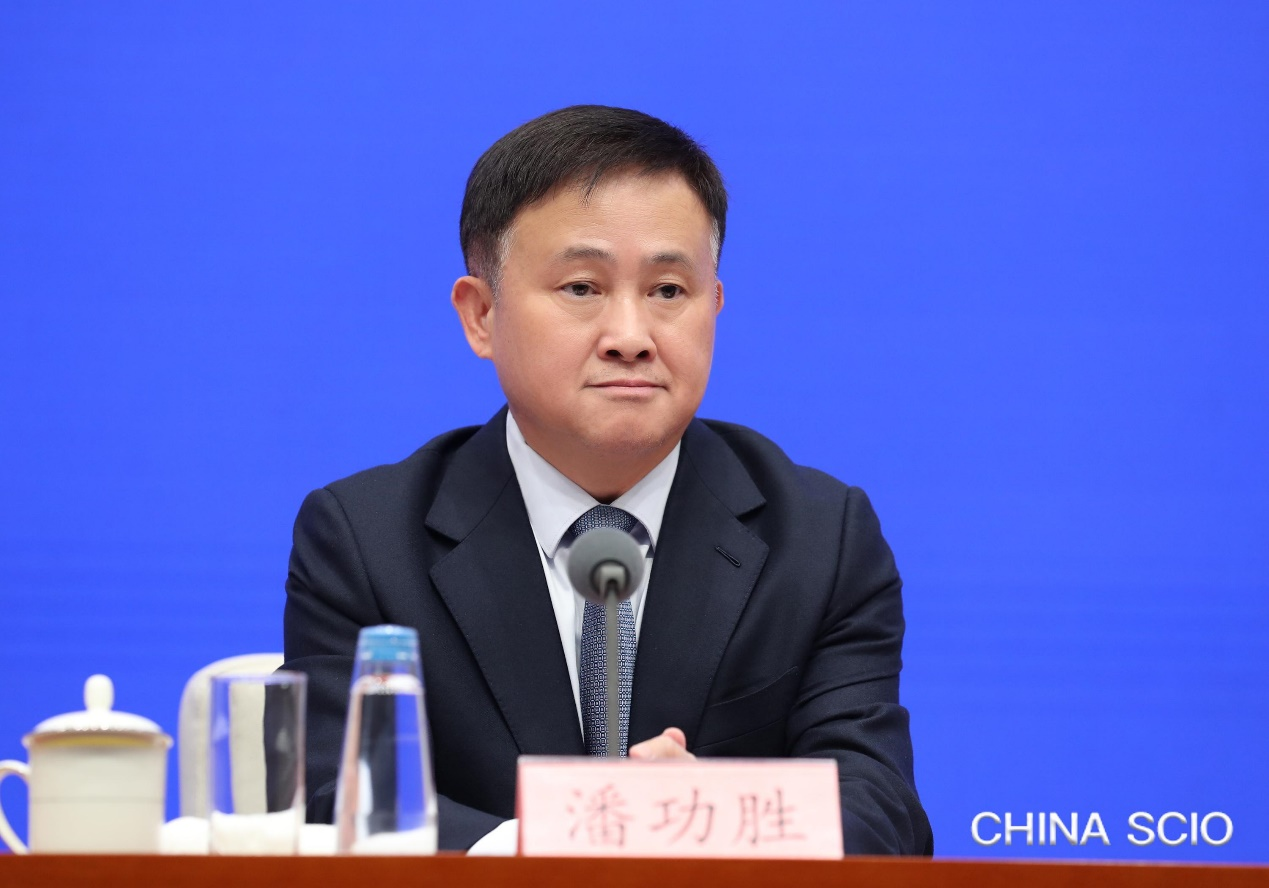
Pan Gongsheng, governor of the People's Bank of China, attends a press conference in Beijing, Sept. 22, 2025. [Photo by Xu Xiang/China SCIO]
He also noted that China has built a diversified cross-border payment system, including the renminbi's Cross-Border Interbank Payment System (CIPS), commercial banks' internal networks, and retail payment platforms developed by UnionPay, Alipay, and WeChat Pay.
He added that the use of the digital yuan in cross-border payments is expanding and holds strong potential for the future.
According to Pan, China has essentially established "a multi-channel, comprehensive, safe, and efficient cross-border clearing network for the renminbi."
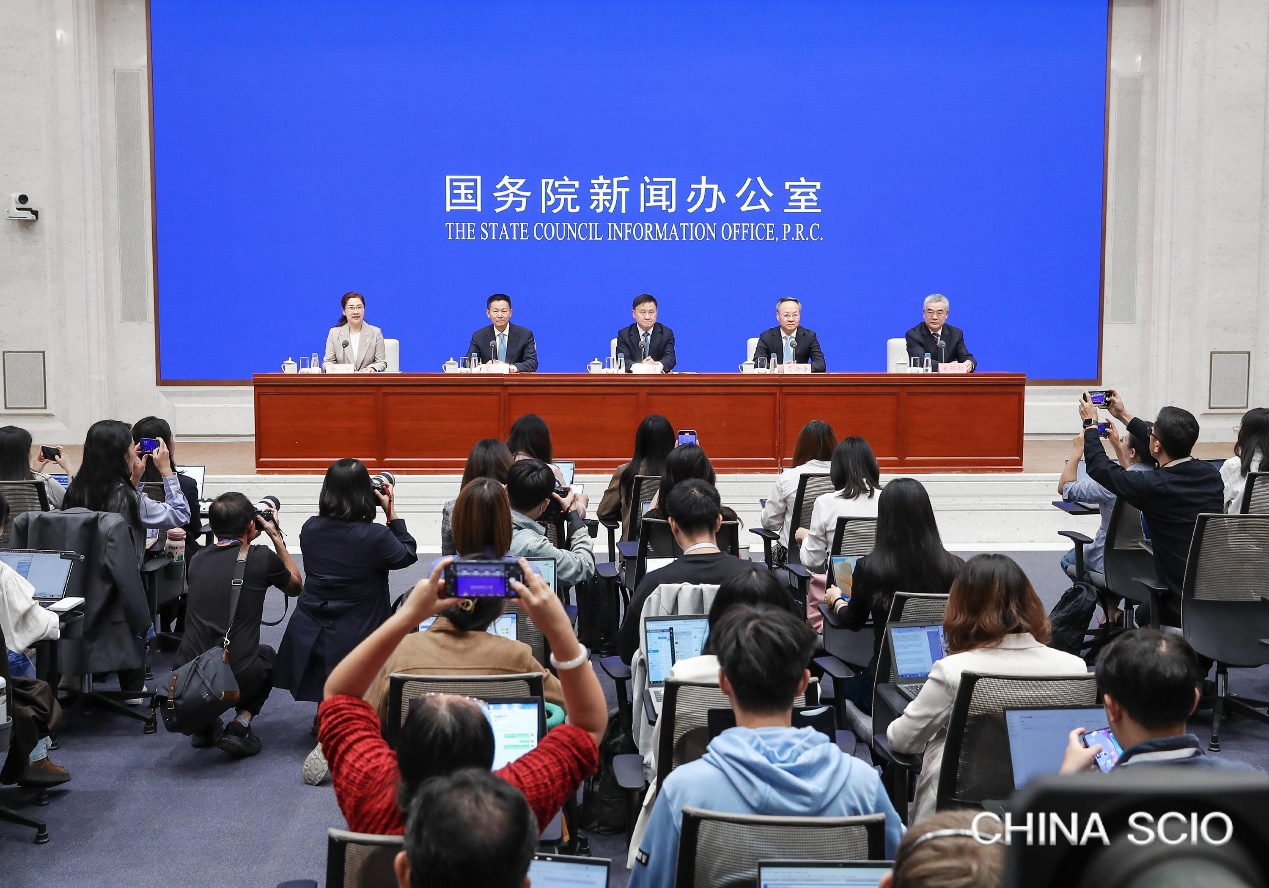
On Sept. 22, 2025, the SCIO holds a press conference in Beijing on achievements in the financial sector during the 14th Five-Year Plan period (2021-2025). [Photo by Liu Jian/China SCIO]
At the same time, regulators have bolstered risk monitoring and contributed to shaping global financial governance. "We are committed to maintaining financial security while pursuing high-level opening, so that financial reform and development can better serve Chinese modernization," Pan said.
As of June, China's banking sector totaled nearly 470 trillion yuan in assets, the largest in the world. The country's stock and bond markets now rank second globally, while its foreign exchange reserves have remained the world's largest for 20 consecutive years.

