China SCIO | August 1, 2025


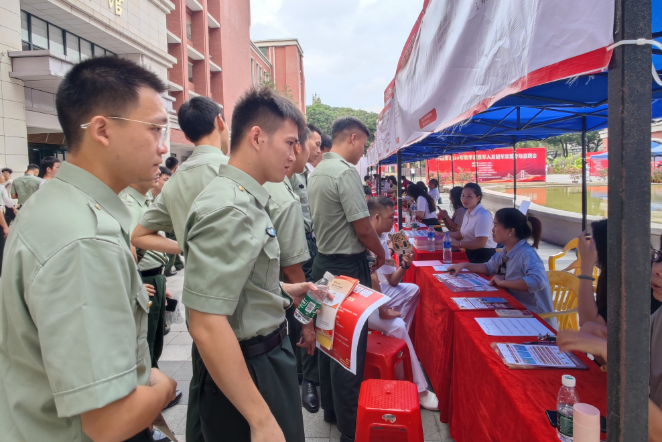

During the 14th Five-Year Plan period (2021-2025), China has prioritized promoting high-quality and sufficient employment for veterans, helping them become a vital force across industries and contribute to economic and social development.
Sheng Baochen, deputy director general of the Department of Employment and Entrepreneurship of the Ministry of Veterans Affairs, made the remarks at a press conference in Beijing on Thursday.
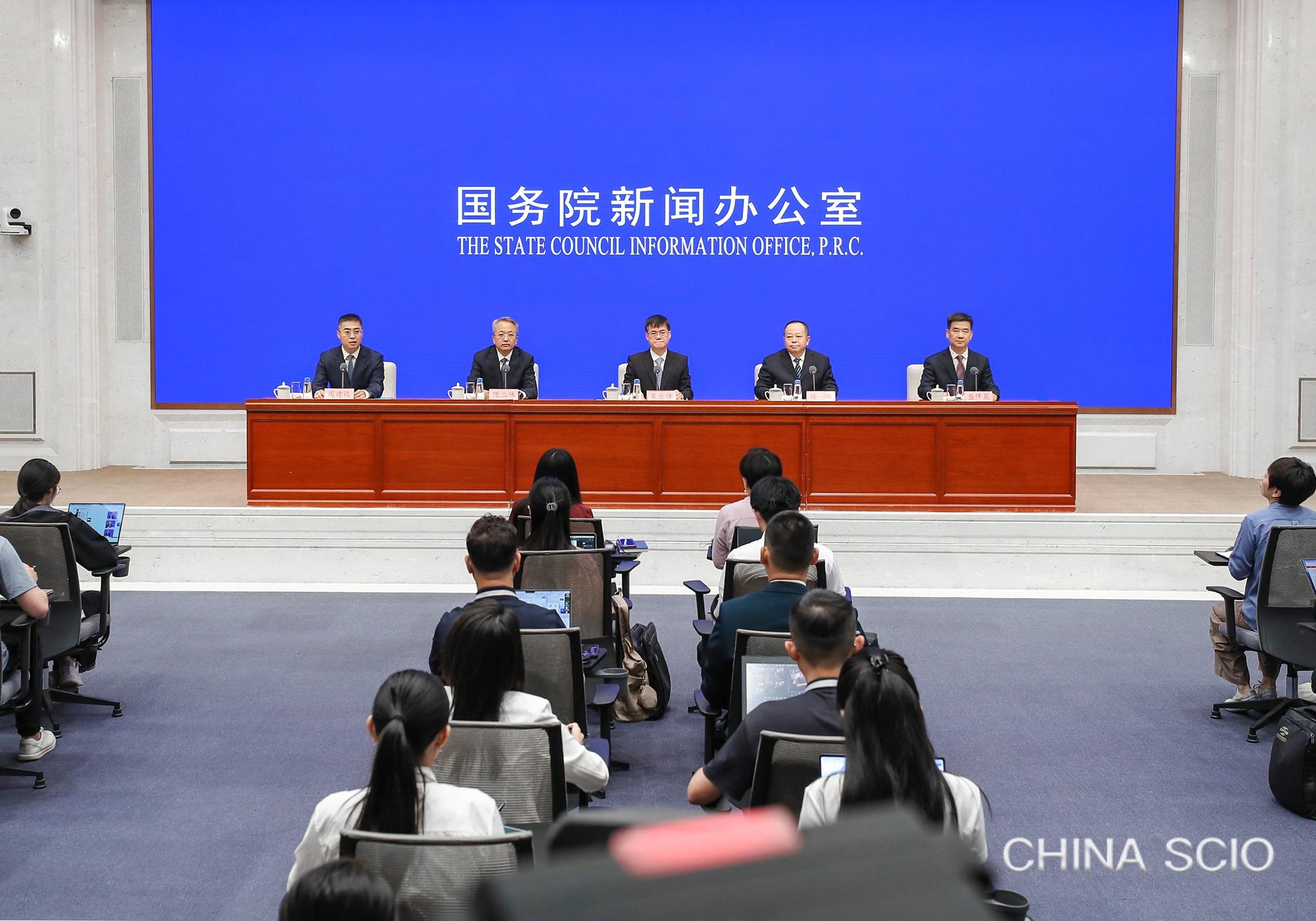
On July 31, 2025, the State Council Information Office holds a press conference in Beijing on China's achievements in advancing high-quality development of veterans affairs during the 14th Five-Year Plan period (2021-2025). [Photo by Liu Jian/China SCIO]
The Ministry of Veterans Affairs has made strong efforts to promote government-enterprise cooperation in this regard, Sheng said. It has signed agreements with 69 state-owned enterprises and large private companies, encouraging veterans affairs departments at all levels to work with nearly 20,000 enterprises nationwide.
These partnerships have helped guide companies in implementing preferential policies, such as prioritizing the hiring of veterans under equal conditions and appropriately relaxing education and age requirements.
The ministry has also worked to promote veteran entrepreneurship and innovation, Sheng said. In collaboration with relevant departments, it has rolled out preferential policies, including financial support and access to business premises, to help those with the desire and capacity to start their own businesses. During the 14th Five-Year Plan period, 1,988 entrepreneurship incubators have been established and over 14,000 entrepreneurship mentors have been recruited.
Meanwhile, veterans have been encouraged to continue contributing in the public sector. Around 370,000 outstanding veterans are members of village Party committees, community Party committees, villagers' committees, or residents' committees. Over 14,800 veterans have become primary or secondary school teachers, and more than 18,000 have joined national comprehensive fire and rescue teams, Sheng said.
In addition to supporting veterans in finding jobs and starting their own business, China has improved job placement services for eligible officials and soldiers after military discharge.
Xu Yao, vice minister of veterans affairs, said at the press conference that during the 14th Five-Year Plan period, Party and government organs, people's organizations, public institutions, and state-owned enterprises have been encouraged to offer more positions suitable for veterans.
The ministry has also promoted direct placement of specialized personnel, making better use of professionals in fields such as scientific research and aviation, so that they can continue in their areas of expertise even after military service, Xu said.
Moreover, China has dedicated efforts into building an integrated education and training system for veterans, Sheng said.
According to Sheng, multiple measures have been taken to support veterans in improving their academic qualifications and returning to school. Such support has been provided through priority admission and tuition assistance to help veterans pursue further studies. Local governments have been encouraged to establish veterans' colleges and explore the development of academic programs related to veterans affairs, further broadening career development pathways.

