China SCIO | July 23, 2025


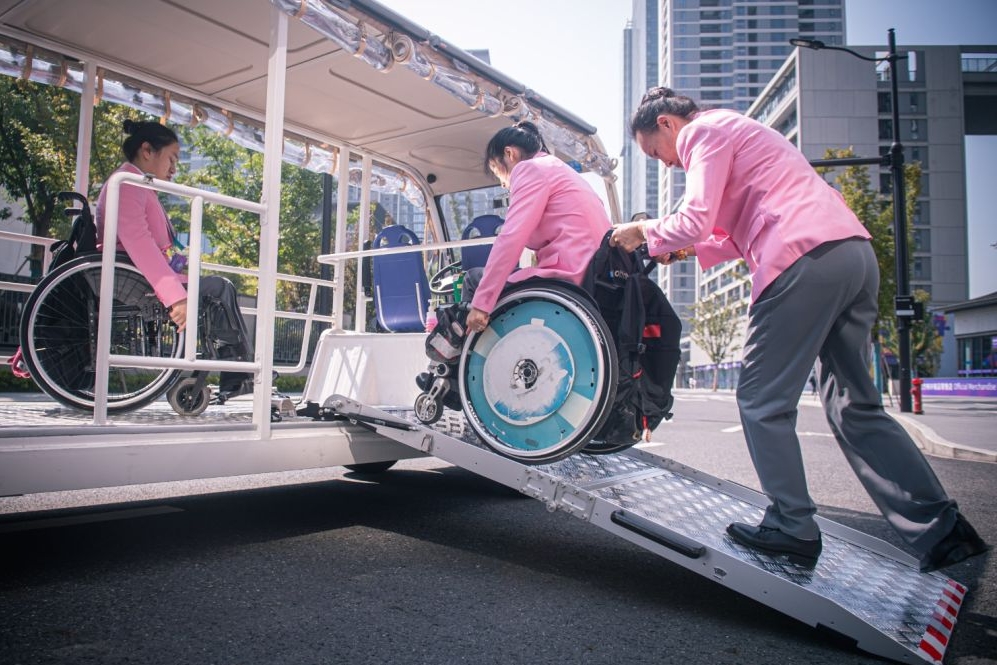

During its 14th Five-Year Plan period (2021-2025), China has exceeded its target for making homes more accessible for families of individuals with severe disabilities, completing the project ahead of schedule and with high quality.
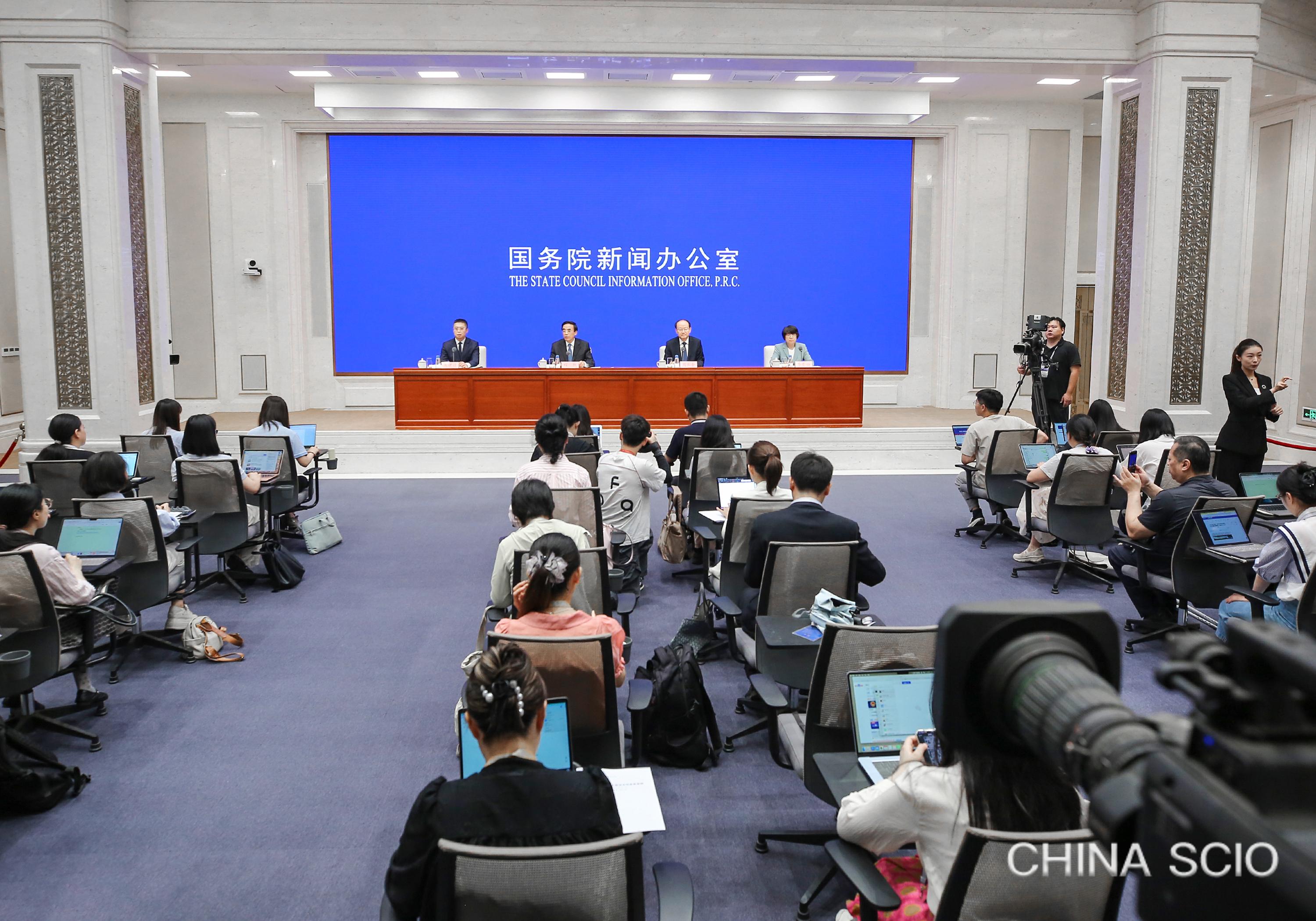
On July 22, 2025, the State Council Information Office holds a press conference on the achievements in developing the cause of people with disabilities during the 14th Five-Year Plan period (2021-2025). [Photo by Zhao Yifan/China SCIO]
"The task of completing barrier-free renovations for 1.1 million households of people with severe disabilities and in financial difficulty has been completed ahead of schedule with guaranteed quality," said Zhou Changkui, secretary of the Communist Party of China Leading Group of the China Disabled Persons' Federation (CDPF) and president of the executive board of the CDPF.
The project is one of the tasks outlined in China's 14th Five-Year Plan (2021-2025). As of June 2025, a total of 1.28 million households had benefited from the renovation program.
"The program has helped eliminate daily household activity barriers, promote independent living, and improve residential and overall quality of life. These efforts have received approval from people with disabilities and their family members," Zhou said.
In 2023, Chinese lawmakers adopted a law on building a barrier-free living environment, making provisions regarding the construction of accessible facilities, accessible information exchanges, and social services.
It is the first time that China has enacted a specific law on the construction of a barrier-free living environment, which aims to improve the daily lives of both people with disabilities and elderly people.
In recent years, the needs of people with disabilities in China have expanded beyond physical facilities to include information access and public services. In response, the country has launched a series of initiatives, said Li Dongmei, vice chairperson of the CDPF.
In the cultural sector, public cultural venues are increasingly open to people with disabilities free of charge and are equipped with accessibility services.
To date, 1,659 reading rooms for the visually impaired have been established nationwide, according to Cheng Kai, chairperson of the CDPF. A growing number of works are being published in accessible formats, helping to meet the reading needs of people with visual impairments.
Technological innovation is also playing a key role in expanding accessibility. More than 3,000 websites and mobile apps have undergone modifications to improve accessibility and elderly-friendliness, introducing features such as voice recognition and text-to-speech functions, said Li.
An increasing number of television programs now include subtitles and sign language interpretation. Several regions have piloted reforms to make medication instructions more accessible and suitable for people with disabilities and older adults, with 1,543 drugs currently included in the program.
Emergency assistance mini-programs for people with hearing impairments and accessible 120 emergency call platforms have been introduced in several locations.
"Building a barrier-free environment is a mark of social progress," Li said. "Going forward, we will work with relevant departments to implement laws and regulations more effectively and better meet the needs of people with disabilities."

