China SCIO | February 20, 2025


China's vast and growing consumer market has continued to attract foreign investment, even as some multinational corporations adjust their global operations, Zhu Bing, director general of the Department of Foreign Investment Administration of the Ministry of Commerce, said at a policy briefing on Thursday.
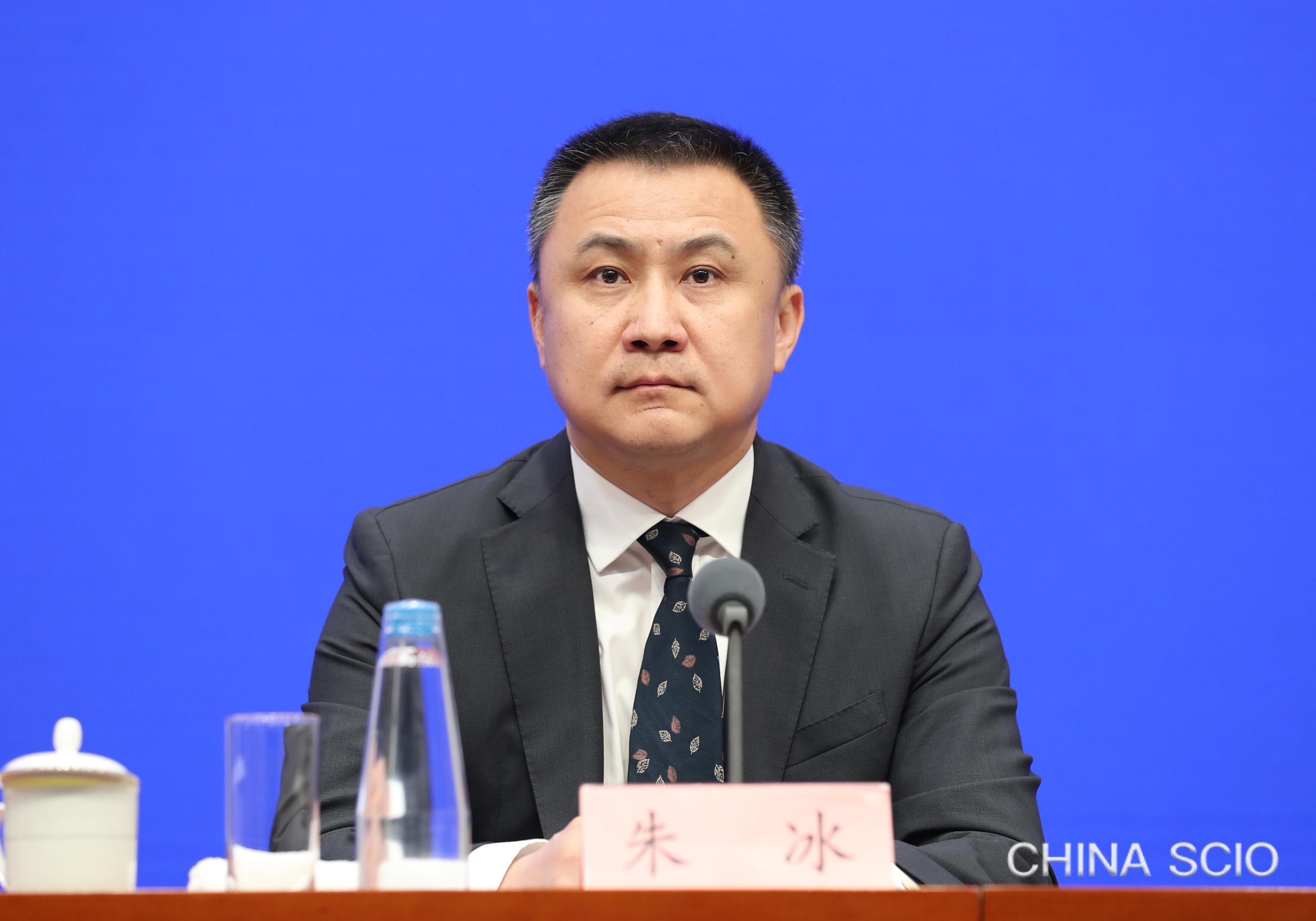
Zhu Bing, director general of the Department of Foreign Investment Administration of the Ministry of Commerce, attends a policy briefing in Beijing on Feb. 20, 2025. [Photo by Xu Xiang/China SCIO]
Zhu noted that some labor-intensive industries are undergoing a phased relocation. As labor and land costs rise in China, cost-sensitive and labor-intensive enterprises are adjusting their global footprint and shifting production capacity based on their development strategies and the comparative advantages of different countries.
At the same time, many foreign companies are shifting their focus in China to high-tech sectors. While phasing out older production lines, such as those for mobile phones and home appliances, they are investing heavily in advanced areas like new display technologies and batteries, and expanding investment in research and development centers in China. This shift reflects a broader trend of industrial upgrading, Zhu said.
With steady market expansion, consumption upgrades, and rapid innovation in products and services in China, it is natural for multinational corporations to adjust their operations to align with China's evolving market dynamics, their own business strategies, and the comparative advantages of other countries, Zhu said.
"Overall, China's market remains very attractive to foreign investment," he noted.
Data from the commerce ministry underscores the market's enduring appeal. By the end of 2023, the number of foreign-invested companies in China had reached 465,000, an increase of 46,000 compared to 2019, prior to the pandemic. In 2024, 59,000 new foreign-invested companies were established, marking a 9.9% year-on-year increase.

