Xinhua | December 5, 2025


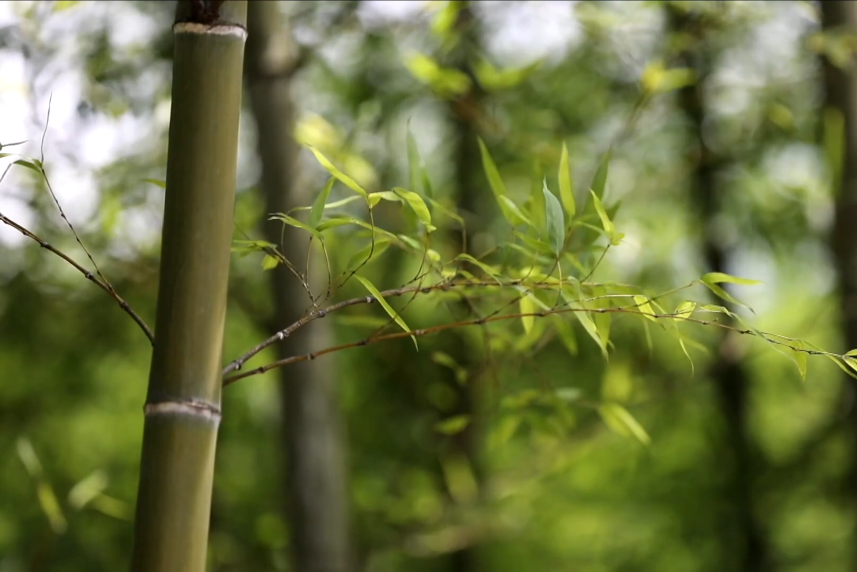

While China's newly unveiled recommendations for formulating the next five-year plan chart courses for sectors like solar energy, wind energy and new materials, they also set the stage for rejuvenating the nation's ancient bamboo culture.
In tandem with this national strategy emphasizing environmental protection, the world's largest natural bamboo forest, a filming location for the Oscar-winning "Crouching Tiger, Hidden Dragon," has unveiled its own development roadmap focusing on boosting ecological conservation and traditional culture.
Local authorities said that through ongoing ecological upgrades, the Southern Sichuan Bamboo Sea in Yibin will not only expand its tourism and industrial sectors but also actively promote bamboo culture, fostering a deeper global understanding of Chinese civilization.
Spanning 120 square kilometers, the park is home to 485 bamboo species -- one quarter of the world's total -- set against a diverse landscape of mountains, lakes, limestone caves and waterfalls.
This bamboo forest has stood for generations, its true origins unknown even to the locals. According to folklore, it was created by a fairy banished to the mortal world.
The area has been developed as a tourist site since the 1980s. Visitors stepping into this primeval bamboo forest are greeted by a lush sea of green and refreshingly clean air, offering an almost ethereal escape in a natural oxygen bar.
They can also visit the filming location of "Crouching Tiger, Hidden Dragon." The most classic scene in the movie is the legendary Kung Fu fight between the male and female protagonists on bamboo tips, showcasing typical Chinese aesthetics.
In 2008, director Zhang Yimou came to the site to film the bamboo sea for the promotional video of the Beijing Olympics opening ceremony, highlighting it as one of the country's most beautiful landscapes.
According to Shen Mei, a staff member of the tourist site, this forest showcases the concept of harmony between man and nature in China.
In Sichuan, this versatile plant serves not only as a food source for giant pandas but also as a vital material for local life. Chopsticks, bowls, baskets, chairs, beds and even houses made from bamboo are all on display at the bamboo-themed museum near the park's entrance.
Villagers have been living in bamboo forests for generations, and they still live in the park without relocating. Now these communities thrive on a tourism-based economy, primarily through homestays, local specialty products and snack shops.
The park exhibits intangible cultural heritage centered on bamboo, featuring traditional crafts from carving to weaving, alongside the culinary culture of the "all-bamboo banquet." In 1972, during former U.S. President Nixon's visit to China, one dish he ate at the state banquet was bamboo fungus.
For three millennia, bamboo has been woven into the fabric of Chinese civilization. Its physical form and its remarkable resilience have made it a timeless symbol of humility, integrity and tenacity.
Ancient Chinese artists created countless paintings and poems featuring bamboo as their main theme, celebrating the profound bond between the Chinese people and this enduring plant.
A prime example is the work by the renowned painter and poet Zheng Banqiao, which vividly captures the plant's resilient spirit: "The bamboo in the hills so green holds fast; its root struck deep in the broken rock. Though blows from everywhere assail it; it stands up to a thousand shocks."
For decades, local authorities have carried out targeted conservation efforts, from preventing over-harvesting of bamboo to restoring degraded forest areas, laying a solid foundation for its current vitality, both ecologically and culturally.
Bamboo offers significant advantages as a fast-growing, biodegradable biomaterial that can be harvested annually thanks to its short growth cycle, making it a promising alternative to plastic across numerous sectors. Moreover, bamboo forests play a crucial role in water retention and carbon capture.
Sustained preservation efforts have established the Southern Sichuan Bamboo Sea as a premier destination renowned for both its scenic beauty and unique cultural experiences. During the first 11 months of this year, the site welcomed over 1 million visitors, generating tourism revenue exceeding 700 million yuan (about 99 million U.S. dollars).
Looking to the future, the bamboo sea will integrate landscape upgrades with ecological restoration, implementing initiatives like scientific preservation and pest control to further rejuvenate the ecosystem. The area will also deepen the integration of agriculture, culture and tourism, pursuing its goal of becoming an "international eco-cultural tourism and wellness destination," according to local cultural and tourism development authorities.
The scenic area also plans to partner with professional bodies to build creative platforms and host regular cultural activities, including bamboo instrument performances and forest theater. Interactive workshops on crafts such as bamboo carving and flute-making will further help transmit this heritage to future generations.
Bamboo culture is also shaping Yibin's skylines. In the bustling city area near the high-speed rail station, the most eye-catching landmark skyscrapers draw inspiration from bamboo and bamboo shoots. Their design resulted from a collaboration with an American architectural team, blending international expertise with local cultural symbolism.
As night falls, neon lights bathe the bamboo shoot-shaped buildings in a dreamlike, futuristic glow, creating a powerful visual metaphor for the enduring legacy of bamboo culture and its dynamic progression into the future.

